

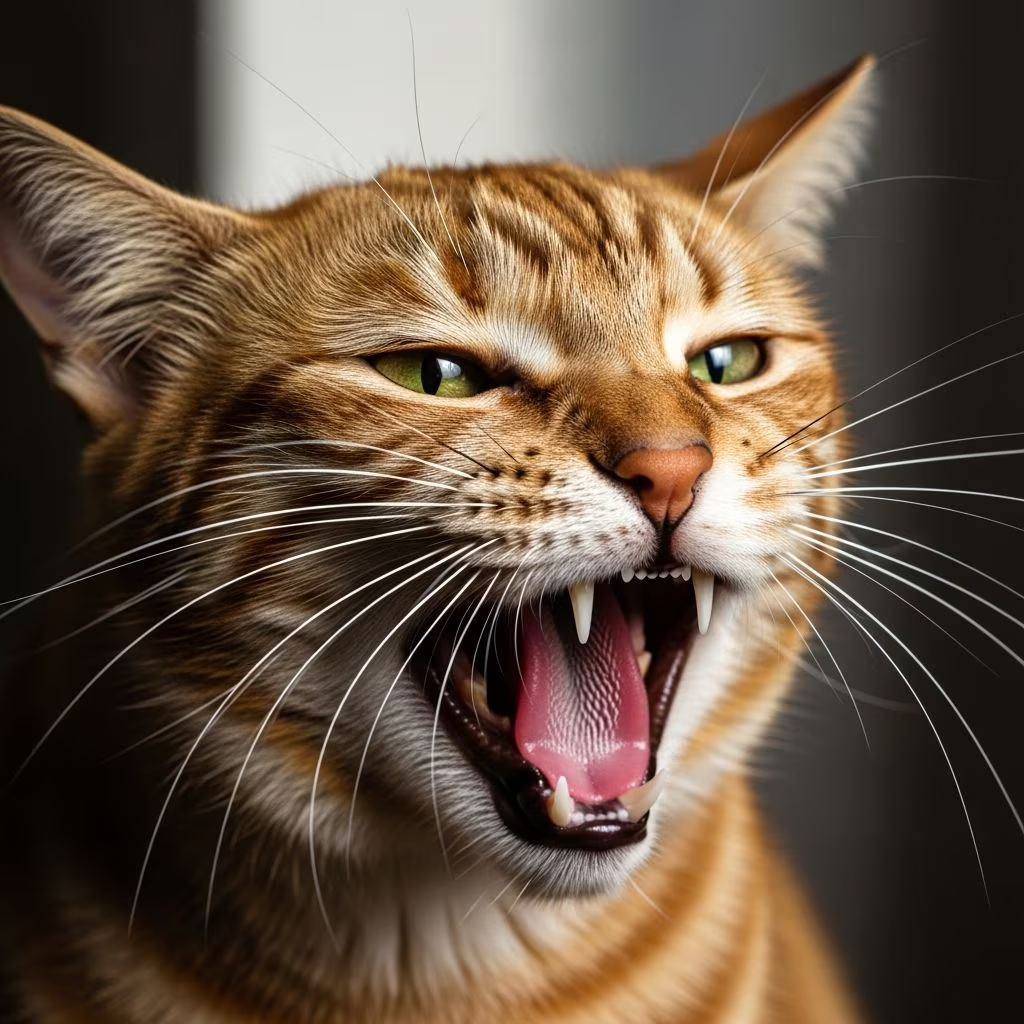
Cats communicate through a variety of vocalizations, but hissing and growling often signal discomfort or warning. These sounds serve as defensive mechanisms to deter perceived threats, helping owners identify underlying issues like fear or overstimulation.
Understanding Feline Vocal Warnings
Hissing involves an open-mouthed snarl exposing teeth, while growling produces a low, rumbling noise from a closed or slightly open mouth. Both indicate escalating tension, with growling typically signaling a higher threat level.
Cats use these sounds alongside body language such as arched backs, dilated pupils, flattened ears, and piloerection (raised fur) to amplify their message. Recognizing these cues prevents misunderstandings and potential bites or scratches.
Primary Causes of Hissing in Cats
Hissing is a reflexive response rooted in survival instincts. It commonly arises from immediate environmental triggers rather than chronic issues.
- Overstimulation During Interaction: Petting sessions can shift from enjoyable to irritating, especially along the back, belly, or tail. Cats may tolerate initial strokes but hiss to signal ‘stop’.
- Fear from Novel Stimuli: New people, animals, or objects provoke defensive hissing. Accompanied by crouching and rippling skin, this warns intruders to back off.
- Sudden Startles: Unexpected noises or movements trigger involuntary hisses, quickly resolving if the surprise passes.
Reasons Cats Growl and Their Implications
Growling conveys deeper distress, often preceding physical action. It stems from prolonged discomfort or intense territorial defense.
| Cause | Signs | Common Triggers |
|---|---|---|
| Territorial Defense | Hissing, spitting, standoff posture | Intruding cats, new pets |
| Fear or Anxiety | Arched back, tucked ears | Environmental changes, strangers |
| Maternal Protection | Growling at owners too | Proximity to kittens |
| Hormonal Influences | Increased aggression | Intact cats in heat |
Contextual Scenarios Triggering Vocalizations
Playtime Gone Wrong
During play, excitement can lead to hissing if boundaries are crossed. Kittens especially overexcite quickly, mistaking roughhousing for threats. Interrupt sessions at early signs to teach appropriate play.
Veterinary or Handling Stress
Trips to the vet or forced handling elicit growls due to loss of control. Cats resent carriers, car rides, and unfamiliar smells, viewing them as high-stress invasions.
Multi-Cat Household Dynamics
In shared homes, growling enforces hierarchy. Dominant cats remind subordinates of boundaries, preventing fights. Resource guarding over food or litter amplifies this.
Health-Related Factors Behind Aggression
Though behavioral, vocal warnings can mask medical problems. Conditions like hyperthyroidism, pain from abscesses, or infections prompt irritability. Persistent growling warrants a vet exam to rule out issues.
Strategies to Reduce Hissing and Growling
Addressing root causes promotes harmony. Start with observation to pinpoint triggers.
- Respect Personal Space: Watch for tail twitches or ear flicks indicating overstimulation. Pause petting and allow retreat.
- Gradual Introductions: For new household members, use scent swapping and supervised meetings. Provide vertical spaces for escape routes.
- Enrich Environment: Offer scratching posts, toys, and hiding spots to alleviate stress. Pheromone diffusers mimic calming scents.
- Spay/Neuter Pets: Reduces hormone-driven aggression, especially in multi-cat setups.
- Positive Reinforcement: Reward calm behavior with treats, avoiding punishment which heightens fear.
Consistency in routine reassures territorial cats, minimizing change-induced growls.
Decoding Body Language with Vocal Cues
Vocalizations pair with posture for full context:
- Dilated pupils + hiss: High fear.
- Forward ears + low growl: Curiosity turning defensive.
- Relaxed tail + brief hiss: Mild annoyance, often from play.
Understanding these prevents escalation. A ‘startle hiss’ differs from sustained aggression by quick resolution.
When to Seek Professional Help
Occasional hisses during stress are normal, but frequent or unprovoked vocalizations signal deeper problems. Consult a vet for health checks, then a certified behaviorist if behavioral. Early intervention prevents injury.
FAQs on Cat Hissing and Growling
Is cat hissing always aggressive?
No, it often warns of discomfort rather than intent to attack. Context like body posture clarifies.
Why does my cat growl at me during petting?
Overstimulation from prolonged touch, especially sensitive areas. Stop at first sign.
Should I punish a hissing cat?
Never; it increases fear. Remove triggers and use positive methods.
Do all cats hiss when playing?
Not all, but some do from overexcitement. Monitor and redirect play.
Can stress cause chronic growling?
Yes, environmental changes or pain. Vet evaluation recommended.
Building a Stress-Free Feline Environment
Preventive measures foster security. Multiple resources (litter boxes, beds) reduce competition. Interactive play burns energy, curbing frustration. Regular health checks catch issues early.
Mothers protecting kittens may growl broadly; give wide berth until weaned. Neutering curbs seasonal spikes.
References
- 5 Reasons Why Cats Hiss & How To Stop The Behavior — Rover.com. 2023-05-15. https://www.rover.com/blog/cat-hissing/
- Why Do Cats Growl? Exploring Feline Behaviour — SHEBA UK. 2024-02-10. https://www.uk.sheba.com/blog/health/cat-growling
- Why Cats Hiss — Cat Behavior Associates. 2023-08-22. https://catbehaviorassociates.com/why-cats-hiss/
- Why Do Some Cats Hiss When They Play? — Cats.com. 2024-01-05. https://cats.com/why-do-some-cats-hiss-when-they-play
- Aggression in Cats — ASPCA. 2025-11-12. https://www.aspca.org/pet-care/cat-care/common-cat-behavior-issues/aggression-cats



