

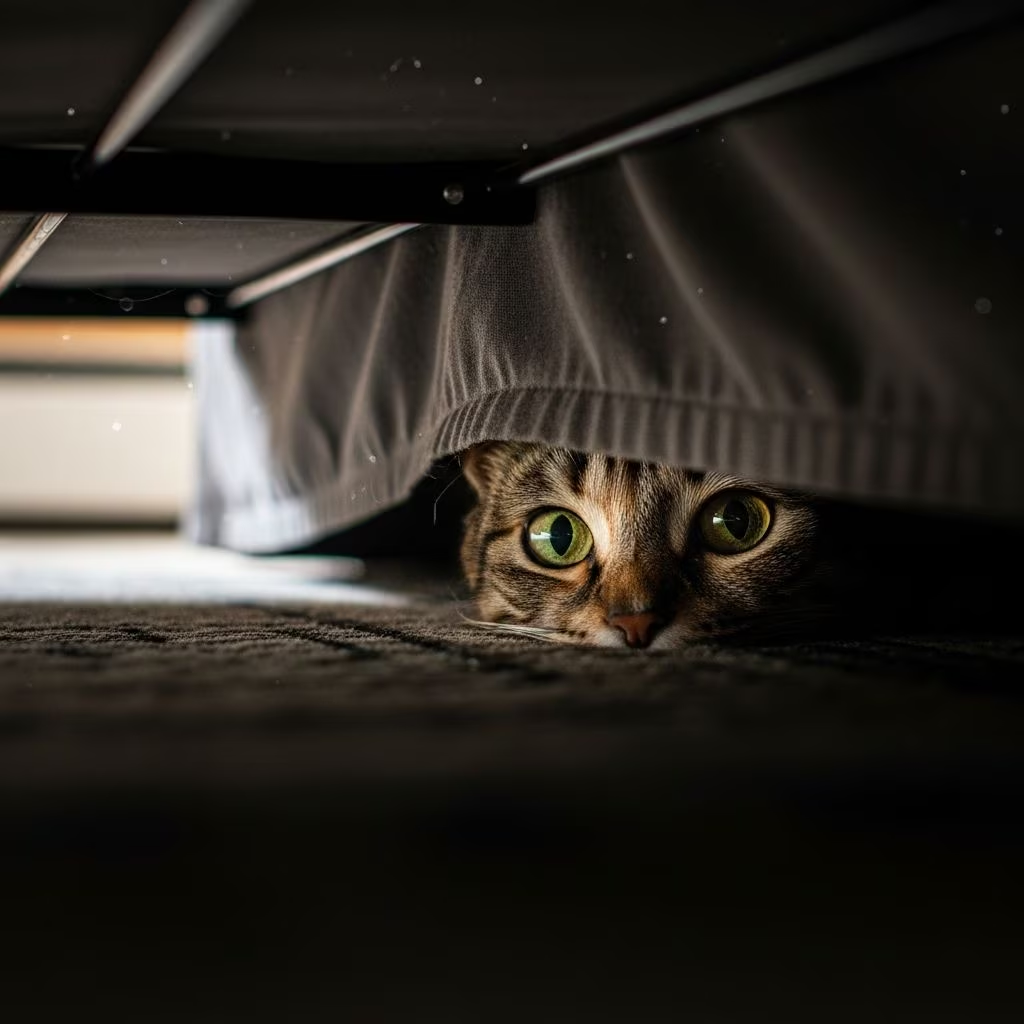
Cats frequently choose the space beneath the bed as a retreat, driven by their innate need for security in tight, enclosed areas. This behavior stems from wild ancestors who sought protective dens to evade predators and rest undisturbed.
Instinctual Drive for Secure Spaces
Felines possess a strong denning instinct, preferring dim, confined spots that offer protection from potential threats. The under-bed area mimics a natural cave with its low clearance and single access point, allowing cats to monitor surroundings while feeling shielded. This preference explains why many cats nap there regularly without any underlying problems.
- Darkness and enclosure: Blocks light and limits visibility, reducing perceived vulnerability.
- Familiar scents: Absorbs the owner’s smell, providing comfort in an otherwise unfamiliar environment.
- Defensive advantage: Enables quick escape or ambush if needed, aligning with predatory heritage.
Providing alternatives like covered beds or cardboard boxes can satisfy this urge without cats accessing hard-to-reach spots.
Adjustment Challenges for New Cats
Newly adopted cats often spend extended periods under the bed as they acclimate to novel surroundings. Overwhelming scents, sounds, and human presence trigger this retreat, serving as a decompression phase that can last days or weeks.
During this time, avoid forcing interaction; instead, sit nearby quietly to build trust. Place food and water close to the bed edge to encourage gradual emergence without pressure.
| Adjustment Phase | Typical Duration | Signs of Progress |
|---|---|---|
| Initial Hiding | 1-7 days | Peeking out occasionally |
| Exploration | 1-2 weeks | Eating near bed, short ventures |
| Full Integration | 2-4 weeks | Roaming freely, seeking pets |
This timeline varies by individual temperament and prior experiences.
Sudden Behavioral Shifts: Red Flags
A sociable cat abruptly hiding signals potential issues. Distinguish routine denning from distress by observing context and accompanying symptoms.
Environmental Disruptions
Household changes like vacuuming, furniture rearrangement, or guest visits create temporary alarm. Loud external noises such as thunderstorms or construction amplify this response.
- Recent renovations or deliveries
- Introduction of new pets or babies
- Altered daily routines
These triggers usually resolve once normalcy returns, but monitor for persistence.
Interpersonal Tensions in Multi-Cat Homes
Bullying dynamics force subordinate cats to seek untouchable refuges. Watch for hissing, swatting, or resource guarding as precursors.
Solutions include separate feeding stations, vertical spaces for territory division, and pheromone diffusers to ease tensions.
Stress and Anxiety Indicators
Chronic anxiety manifests in prolonged hiding paired with other cues like reduced appetite or vocalization changes. Common stressors include routine upheavals or emotional household events.
- Overstimulation: Playful kids or boisterous gatherings overwhelm sensitive cats.
- Loss or absence: Departure of a family member disrupts security.
- Sensory overload: Strong odors from cleaners or new appliances.
Calming aids such as Feliway diffusers or quiet play sessions help mitigate these.
Health-Related Concealment
Instinct compels ill cats to hide vulnerability from predators. Sudden hiding without environmental cause warrants veterinary evaluation, especially with symptoms like lethargy or litter avoidance.
| Symptom | Possible Condition | Action Needed |
|---|---|---|
| No eating 24+ hours | Illness, pain | Vet visit ASAP |
| Litter box avoidance | UTI, constipation | Urgent check |
| Vomiting, diarrhea | Gastro issues | Monitor, then vet |
| Limp or stiffness | Joint problems | Exam for arthritis |
Aging cats may hide due to arthritis discomfort, slowing mobility.
Overstimulation and Fear Responses
Excessive petting or sudden movements provoke flight to safety. Fear from dogs, strangers, or unfamiliar noises prompts similar evasion.
Recognize early signs: flattened ears, dilated pupils, tail flicking. Respect boundaries to prevent escalation.
Encouraging Emergence Safely
To coax a cat out without force:
- Remove temptations under the bed like dust bunnies or toys.
- Offer enticing alternatives: tunnel toys, window perches, soft caves.
- Use treats or laser pointers from a distance.
- Maintain consistent routines for predictability.
Block access gently with plastic sheeting or bed risers if hiding hinders care.
When to Seek Professional Help
Consult a vet if hiding exceeds 48 hours with appetite loss or persists post-stressors. Behaviorists aid chronic anxiety cases.
Rule out medical causes first, as untreated pain exacerbates hiding cycles.
Preventive Measures for Feline Well-Being
Proactive steps foster confidence:
- Enrich environment with scratching posts, shelves.
- Schedule daily play mimicking hunt.
- Monitor introductions of changes gradually.
- Regular health checks catch issues early.
FAQs
Is it normal for my cat to hide under the bed all day?
Occasional hiding is typical, especially for rest. Constant seclusion, particularly if new, merits observation.
How long should a new cat hide?
Up to two weeks is common during adjustment; longer suggests extra support needed.
What if my cat hides and won’t eat?
Seek vet care immediately; this indicates possible illness.
Can I train my cat not to hide there?
Provide appealing alternatives and block access humanely.
Does age affect hiding behavior?
Yes, seniors may hide more from discomfort like arthritis.
References
- Why Is My Cat Hiding Under the Bed? When to Worry? — Lady N Pet. 2023. https://ladynpet.com/us/blog/why-is-my-cat-hiding-under-the-bed/
- Why Do Cats Hide Under The Bed? EXPLAINED — YouTube (Isabel). 2023. https://www.youtube.com/watch?v=SrLnpLK7Cx0
- Why Cats Hide and When You Should Be Concerned — ElleVet Sciences. 2023. https://www.ellevetsciences.com/cbd-for-cats/why-cats-hide-and-when-you-should-be-concerned/
- How To Keep Your Cat From Going Under the Bed (and Why You Should) — Ingrid King. 2023-03-14. https://ingridking.com/2023/03/14/how-to-keep-your-cat-from-going-under-the-bed-and-why-you-should/
- Why Is My Cat Suddenly Hiding? 7 Vet-Approved Reasons to Know — Cat and Dog Clinic of Bellevue. 2025-07-01. https://www.catanddogclinicofbellevue.com/2025/07/01/why-is-my-cat-suddenly-hiding-7-vet-approved-reasons-to-know/



