
Cat Hiccups Comprehensive Guide: Causes, Signs And Prevention
Complete guide to understanding cat hiccups: causes, symptoms, and when to seek veterinary help.
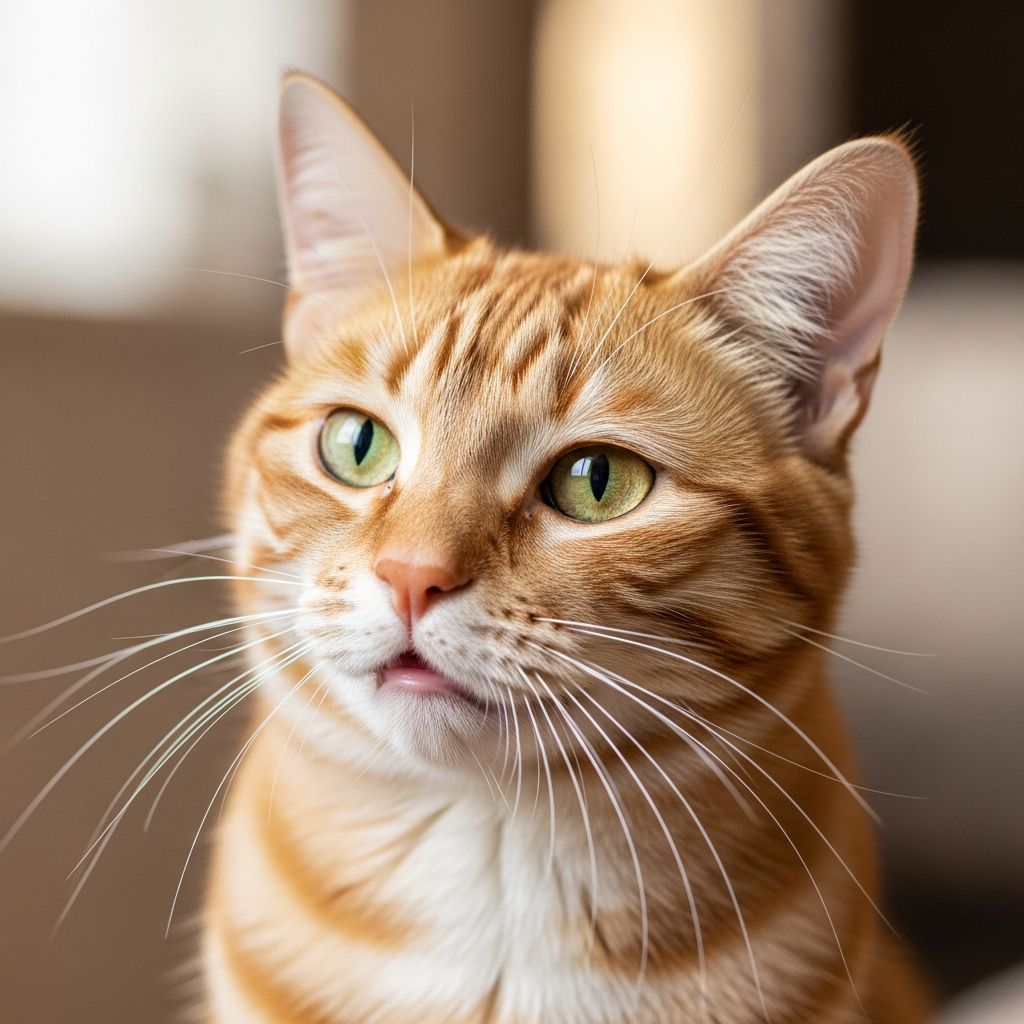
Cat Hiccups: What You Need to Know
If you’ve ever noticed your beloved feline companion experiencing sudden, rhythmic spasms accompanied by soft chirping sounds, you may have witnessed your cat having hiccups. While hiccups are a common occurrence in both humans and cats, many pet owners wonder whether their cats can actually experience them and what might be causing them. The good news is that cat hiccups are typically harmless and resolve on their own. However, understanding the causes, recognizing the signs, and knowing when to seek veterinary attention can help you provide the best care for your furry friend.
What Causes Cat Hiccups?
Hiccups occur when the diaphragm, the muscle that controls breathing and separates the chest from the abdomen, experiences involuntary contractions. This happens at the same time the glottis, the opening between the vocal cords, closes suddenly. According to veterinary experts, this phenomenon is caused by irritation of the nerve that runs to the diaphragm. Understanding the various triggers can help you prevent these episodes in your cat.
Rapid Eating and Overeating
The most common cause of cat hiccups is eating too quickly or consuming too much food at once. Cats tend not to chew their food properly, causing them to swallow extra air, which results in spasms in the diaphragm. This is particularly common in multi-cat households where competition for food might encourage rushed eating. When cats gulp their food without properly chewing, they inadvertently swallow excess air, which irritates the diaphragm and triggers hiccups.
Hairballs and Grooming
Another significant cause of cat hiccups is related to hairballs. When cats groom themselves, they naturally ingest hair that can accumulate in their throat and digestive system. This irritation, particularly when a hairball is present or being formed, can trigger hiccups. Long-haired breeds are especially susceptible to this issue since they naturally ingest more fur during their grooming sessions. When your cat attempts to expel or loosen a hairball, the irritation in their throat can stimulate the diaphragm, leading to hiccup-like spasms.
Other Contributing Factors
Beyond eating habits and hairballs, several other factors can trigger hiccups in cats. Sudden changes in temperature, such as drinking cold water or exposure to temperature fluctuations, can irritate the diaphragm. Throat irritation from rough food, allergens, or a developing sore throat can also prompt hiccup episodes. Additionally, stress and anxiety can contribute to hiccups in sensitive cats. In rare cases, gastrointestinal issues like gas, bloat, or food intolerance can create pressure in the gut that irritates the diaphragm. Even respiratory infections, though less common, can cause inflammation of the airway and trigger hiccup-like spasms before more obvious symptoms appear.
How to Recognize Cat Hiccups
Cat hiccups might not always sound exactly like human hiccups, which can make them challenging to identify for first-time cat owners. Learning to recognize the signs will help you understand what your cat is experiencing and determine whether intervention is necessary.
Common Signs and Symptoms
When your cat has hiccups, you may observe several distinctive characteristics:
- Quick, rhythmic spasms in the belly area that are visible to the naked eye
- Soft chirping or squeaking sounds that accompany the spasms
- Brief pauses in breathing followed by small gasps
- Slight jerking movements of the body occurring at regular intervals
- A pattern that typically lasts from a few minutes to several hours
These symptoms usually occur without any accompanying distress or difficulty for your cat. The hiccups simply run their course and disappear naturally as the diaphragm relaxes.
When Hiccups Are Concerning
While most cat hiccups are benign, certain signs warrant closer attention. If hiccups are accompanied by coughing or wheezing sounds that seem wet, your cat may be experiencing respiratory issues rather than simple hiccups. Similarly, if hiccups are followed by gagging, dry heaving, or vomiting, this indicates inflammation, pressure, or blockage rather than typical hiccups. Lethargy, loss of appetite, or difficulty breathing alongside hiccups suggests an underlying health condition that requires professional evaluation.
Prevention and Management Strategies
Since most cat hiccups are preventable, implementing practical strategies can significantly reduce their occurrence and keep your cat comfortable. Here are evidence-based approaches to minimize hiccup episodes:
Mealtime Solutions
How you feed your cat plays a crucial role in preventing hiccups related to eating habits. Consider these feeding modifications:
- Use slow-feed bowls or food puzzles that force your cat to eat more deliberately
- Serve smaller, more frequent meals throughout the day instead of one or two large meals
- Elevate food bowls slightly to promote better posture while eating
- Feed cats in separate locations if you have multiple cats to eliminate competition
- Ensure your cat has adequate time to chew food properly
These modifications directly address the most common cause of hiccups by preventing your cat from swallowing excess air during meals.
Environmental Adjustments
Creating an optimal eating environment can have a significant impact on reducing hiccup episodes. Establish a calm, quiet space away from other pets where your cat can eat without feeling rushed or anxious. Minimize sudden temperature changes near feeding areas, and ensure your cat has easy access to fresh water throughout the day to stay properly hydrated. Stress and anxiety can contribute to hiccups, so a tranquil eating environment supports overall digestive health.
Grooming and Hairball Management
Regular grooming is essential for preventing hairball-related hiccups, especially in long-haired breeds. Brush your cat at least weekly to remove loose fur before it’s ingested during self-grooming. Consider specialized hairball-control food with higher fiber content, which veterinarians recommend for cats prone to hairballs. Additionally, hairball remedies like petroleum-based lubricants such as Laxatone can help move hair through the digestive system more efficiently. These preventive measures reduce the likelihood of hairballs irritating the diaphragm.
When to Seek Veterinary Care
While most cases of cat hiccups are harmless and resolve independently, certain situations warrant professional veterinary attention. Knowing when to contact your veterinarian ensures your cat receives appropriate care if hiccups indicate an underlying health issue.
Red Flags Requiring Professional Evaluation
Contact your veterinarian if your cat experiences any of the following:
- Hiccups lasting longer than 24 hours
- Frequent hiccup episodes occurring multiple times daily or several times weekly
- Hiccups accompanied by difficulty breathing or respiratory distress
- Loss of appetite or refusal to eat
- Vomiting, retching, or dry heaving alongside hiccups
- Lethargy, unusual behavior, or signs of illness
- Hiccups that sound wet or are associated with coughing and wheezing
These symptoms may indicate respiratory infections, gastrointestinal disorders, parasitic infestations, or other medical conditions that require professional diagnosis and treatment.
Diagnostic Considerations
If your cat’s hiccups persist or occur frequently without an obvious cause, your veterinarian may investigate potential underlying conditions. Serious causes like asthma, heart disease, allergies, or gastrointestinal diseases can occasionally manifest as persistent hiccups. Parasitic infestations, including worms and giardia, can also trigger unexplained hiccup episodes. Your veterinarian may recommend diagnostic tests such as physical examination, blood work, imaging studies, or other specialized evaluations to identify the root cause and develop an appropriate treatment plan.
Understanding the Mechanism Behind Cat Hiccups
To fully appreciate why cats get hiccups, it’s helpful to understand the physiological mechanism involved. The diaphragm is controlled by the phrenic nerve, which connects this crucial muscle to the brain. Irritation of this nerve—whether from physical causes like eating too quickly or emotional causes like stress—triggers involuntary diaphragmatic contractions. When the diaphragm spasms, the glottis closes simultaneously, creating the distinctive hiccup sound and sensation. This reflex is actually shared by many mammals and serves little known physiological purpose in modern animals, though it may be a remnant of evolutionary biology.
Natural Resolution of Cat Hiccups
In the vast majority of cases, cat hiccups resolve naturally without any intervention required. Hiccups typically last anywhere from a few minutes to several hours before the diaphragm relaxes and the spasms cease. The key is to remain calm and patient, as stress from the owner can inadvertently increase the cat’s anxiety and potentially prolong the episode. Simply observe your cat and allow the hiccups to run their natural course. Only if hiccups persist beyond 24 hours or are accompanied by concerning symptoms should you take action or seek veterinary assistance.
Frequently Asked Questions About Cat Hiccups
Q: Why do cats get hiccups after eating?
A: Cats typically get hiccups after eating due to swallowing air while eating too quickly. When cats don’t chew their food properly and gulp-it down rapidly, excess air enters their system and irritates the diaphragm, triggering hiccups. This is particularly common in competitive feeding situations or when cats are overly eager during mealtime.
Q: How can I prevent my cat from getting hiccups?
A: You can prevent hiccups by using slow-feed bowls, serving smaller portions, creating a calm eating environment, and maintaining regular grooming to reduce hairballs. Additionally, ensure your cat isn’t overeating, stays hydrated, and has a stress-free living environment. These preventive measures address the most common triggers of hiccups.
Q: Can hairballs cause hiccups in cats?
A: Yes, hairballs can definitely cause hiccups. When cats groom themselves, they ingest hair that can irritate their throat and diaphragm. This irritation, along with attempts to expel or move the hairball, can trigger hiccup episodes. Regular grooming and hairball-specific diets can help prevent this issue.
Q: When should I worry about my cat’s hiccups?
A: You should worry if hiccups last longer than 24 hours, occur frequently, or are accompanied by difficulty breathing, vomiting, loss of appetite, or unusual behavior. These symptoms may indicate an underlying health condition requiring veterinary evaluation. Most normal hiccups resolve within hours without intervention.
Q: Are cat hiccups the same as human hiccups?
A: Cat hiccups and human hiccups work through the same physiological mechanism—involuntary diaphragm contractions caused by nerve irritation. However, cat hiccups may sound and appear different from human hiccups. They often manifest as soft chirping sounds or rhythmic belly spasms rather than audible “hic” sounds.
Q: What remedies can help if my cat has hiccups?
A: Most cat hiccups don’t require treatment and resolve naturally. However, you can help by ensuring your cat is calm, avoiding sudden temperature changes, and offering small amounts of water. If hiccups are related to eating, implementing slower feeding methods and smaller portions will help prevent future episodes.
Conclusion
Cat hiccups are a normal, usually harmless phenomenon that most cat owners will encounter at some point. By understanding the common causes—primarily rapid eating and hairballs—you can implement preventive strategies that significantly reduce their occurrence. Learning to recognize the signs of hiccups and distinguishing them from concerning symptoms ensures you’ll know when to seek veterinary care. While most hiccups resolve independently within hours, persistent or unusual hiccups warrant professional evaluation to rule out underlying health conditions. With proper feeding practices, regular grooming, and a calm environment, you can minimize hiccup episodes and keep your feline companion comfortable and healthy.
References
- Cat Hiccups: What You Need to Know — PetMD. Accessed November 28, 2025. https://www.petmd.com/cat/care/cat-hiccups-what-you-need-know
- Understanding and Managing Cat Hiccups — PetsCare.com. https://www.petscare.com/news/post/cat-hiccups-causes-treatment
- Cat Hiccups Explained: Causes You Shouldn’t Ignore — WOpet. https://wopet.com/cats/cat-hiccups/
- Can Cats Get Hiccups? — Catonsville Cat Clinic. https://www.catonsvillecatclinic.com/holmes-corner/can-cats-get-hiccups/
- Do Cats Get Hiccups? — Whisker (Litter-Robot Blog). https://www.whisker.com/blog/do-cats-get-hiccups
- Hiccups in cats — Kattovit. https://kattovit.com/en/blogs/katzengesundheit/katze-schluckauf
- Cat Hiccups: Everything You Need to Know — Petcube. https://petcube.com/blog/cat-hiccups/
Similar Articles








Read full bio of medha deb




