

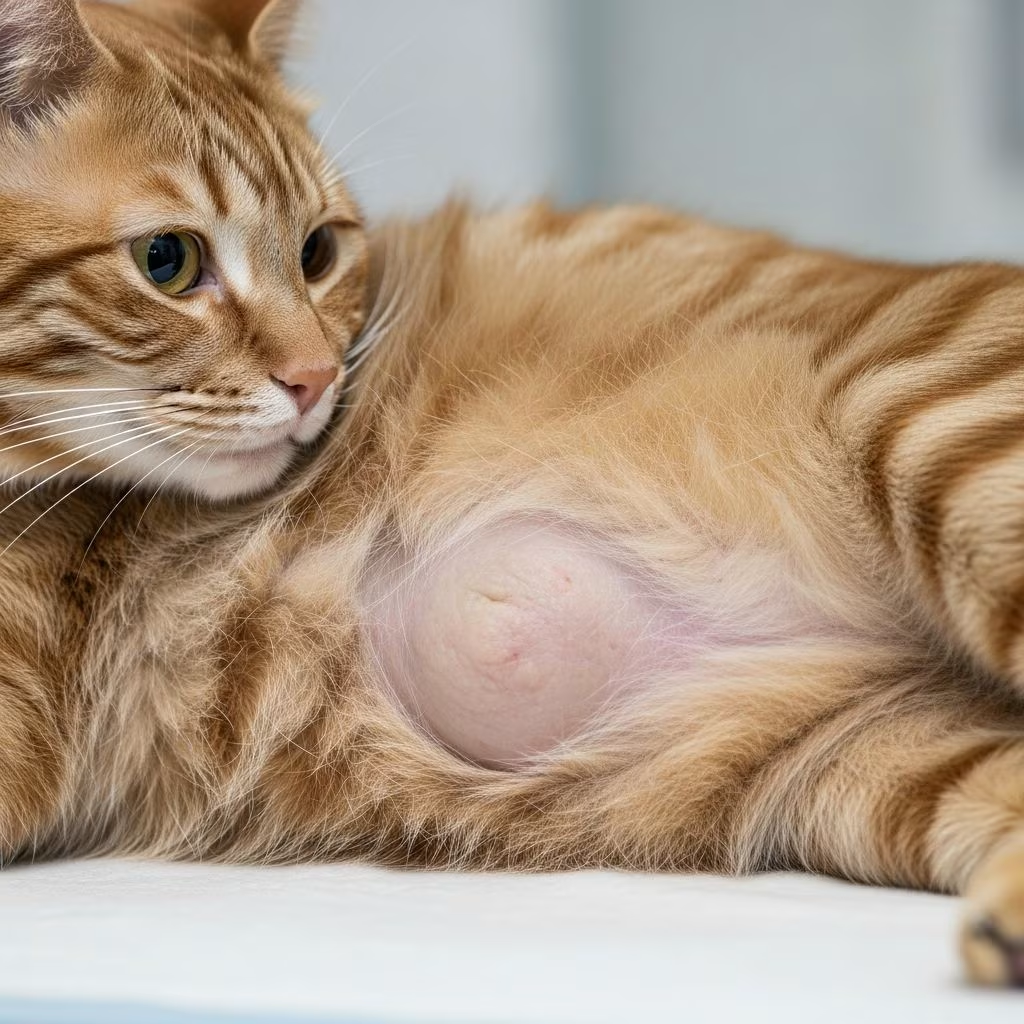
Hernias in cats occur when internal organs or tissues protrude through weakened areas in muscle walls or membranes, potentially leading to discomfort or serious complications if untreated. While many cases are manageable, early detection is crucial for positive outcomes.
Understanding the Anatomy Behind Feline Hernias
A hernia forms when there’s a gap or tear in the protective layers surrounding a cat’s organs, allowing fat, intestines, or other structures to push through. In felines, these weaknesses can stem from developmental issues, physical strain, or injury. The abdominal wall, diaphragm, or groin region are common sites, each presenting unique risks.
Normally, strong connective tissues keep everything in place, but factors like genetics or trauma disrupt this balance. Recognizing these vulnerabilities helps owners monitor their pets proactively.
Primary Categories of Hernias in Cats
Cats can develop several hernia types, classified by location and cause. Here’s an overview:
- Umbilical Hernias: These appear near the belly button, often in kittens due to incomplete closure after birth. They manifest as a soft bulge that may resolve naturally by 3-4 months.
- Inguinal Hernias: Located in the groin, these allow abdominal contents to slip into the inguinal canal. More common in females, especially if pregnant, symptoms include groin swelling.
- Diaphragmatic Hernias: Involving the diaphragm separating chest and abdomen, these can be congenital or trauma-induced. Organs may enter the chest cavity, impairing breathing.
- Hiatal Hernias: Rare sliding types where stomach parts protrude through the diaphragm into the esophagus, often linked to birth defects.
| Hernia Type | Common Location | Typical Age/Group | Spontaneous Resolution? |
|---|---|---|---|
| Umbilical | Belly button area | Kittens | Often yes |
| Inguinal | Groin | Adults, females | Rare |
| Diaphragmatic | Diaphragm | Any, post-trauma | No |
| Hiatal | Esophageal hiatus | Congenital | Sometimes |
Root Causes and Risk Factors
Hernias arise from a mix of genetic predispositions and environmental triggers. Congenital forms, like many umbilical hernias, result from the umbilicus failing to seal post-birth. Trauma from falls, car accidents, or fights can tear the diaphragm.
Straining exacerbates risks: chronic constipation, obesity, or pregnancy increases abdominal pressure, weakening inguinal areas. Unspayed females face higher odds due to pregnancy-related strain. Kittens with weak musculature are particularly susceptible to umbilical types.
- Genetic defects in muscle development
- Physical injuries or blunt force
- Prolonged coughing, vomiting, or constipation
- Pregnancy in intact females
- Obesity straining body walls
Spotting the Warning Signs Early
Many hernias start asymptomatically, but visible cues emerge as they progress. Owners might notice a soft lump that enlarges during activity like meowing or straining.
General symptoms signaling a vet visit include:
- Lethargy or depression
- Loss of appetite and weight reduction
- Vomiting, bloating, or gas
- Abdominal or groin pain, evident by hunching
- Breathing difficulties, especially in diaphragmatic cases
- Blood in urine or urination issues
- Swelling or bulge in affected area
Inguinal-specific signs feature groin bloating and frequent urination struggles. Diaphragmatic hernias often cause rapid breathing or extended neck posture. Prompt observation prevents strangulation, where tissues lose blood supply—a life-threatening emergency.
Diagnostic Approaches for Accurate Assessment
Vets begin with a physical exam, palpating for bulges that reduce when pushed. Imaging like X-rays or ultrasounds confirms organ involvement and hernia size.
Blood work, urinalysis, and chemistry panels evaluate overall health, screening for surgery readiness. For non-urgent cases, diagnostics align with spay/neuter scheduling to limit anesthesia exposure.
Treatment Pathways: From Conservative to Surgical
Management varies by hernia type, size, and symptoms. Small, uncomplicated umbilical hernias in kittens often heal spontaneously with monitoring.
Manual reduction—gently pushing contents back—works for reducible hernias, followed by rest. Surgery is standard for persistent, large, or complicated cases to suture the defect and prevent recurrence.
- Non-Surgical: Watchful waiting for tiny umbilical hernias; e-collar to deter licking.
- Surgical Repair: Anesthesia, organ repositioning, defect closure, possible mesh reinforcement.
Combining hernia repair with spay/neuter is efficient, reducing anesthesia risks. Post-op, pain meds like buprenorphine manage discomfort; recurrence is uncommon.
Preparation and Post-Operative Care Essentials
Pre-surgery fasting (12 hours) and IV fluids ensure safety. Post-op, confine the cat, monitor incision for infection, and administer meds as prescribed.
Recovery spans 10-14 days: soft food, no jumping, stitch removal if needed. Watch for swelling, discharge, or lethargy signaling complications.
| Stage | Key Actions |
|---|---|
| Pre-Op | Fast, blood tests, discuss risks |
| Surgery | Repair defect, organ replacement |
| Post-Op Day 1-3 | Pain control, rest, e-collar |
| Weeks 2-4 | Gradual activity, follow-up vet visit |
Preventive Measures for a Hernia-Free Life
Spay/neuter early to avoid pregnancy strains. Maintain ideal weight via balanced diet and play to lessen abdominal pressure. Address constipation promptly with fiber-rich food and hydration.
Regular vet check-ups catch congenital issues young. Minimize trauma risks: supervise outdoor time, secure windows.
Prognosis and Long-Term Outlook
Most cats recover fully post-surgery, with excellent prognoses for umbilical and inguinal types. Diaphragmatic cases carry guarded outlooks due to complications. Recurrence is rare with proper repair.
Frequently Asked Questions About Cat Hernias
Can all cat hernias be fixed without surgery?
Small umbilical hernias in kittens frequently close naturally, but others typically require intervention.
Is a hernia always painful for my cat?
Not initially, but enlargement or strangulation causes significant discomfort.
How much does cat hernia surgery cost?
Varies by type and location; consult your vet for estimates based on diagnostics and complexity.
Can hernias develop after spaying?
Possible if incision sites weaken, though rare; monitor post-op closely.
When should I rush my cat to the ER for a hernia?
If breathing issues, severe pain, vomiting, or non-reducible bulge appear.
Armed with this knowledge, cat owners can vigilantly protect their pets from hernia pitfalls, ensuring joyful, healthy lives.
References
- Inguinal Hernia in Cats: Causes and How To Treat It — PetMD. 2023. https://www.petmd.com/cat/conditions/musculoskeletal/inguinal-hernia-cats
- Hernias in Cats – Types, Symptoms & Treatments — Thomasville Veterinary Clinic. 2020-07-27. https://www.thomasvillevet.net/site/blog/2020/07/27/cat-hernia-symptoms-surgery-types
- Cat Hernia Surgery: Types, Diagnosis & Treatments — Midway Animal Hospital. 2023-03-30. https://www.midwayvetlovesmypet.com/site/blog/2023/03/30/cat-hernia-surgery-types-diagnosis–treatments
- Cat Hernia 101: Types, Diagnosis & Treatment — Hill’s Pet Nutrition. N/A. https://www.hillspet.com/cat-care/healthcare/cat-hernia-types-and-treatments
- Hernias in Cats: Causes, Symptoms & Surgeries — Ferguson Animal Hospital. 2023-11-15. https://www.fergusonanimalhospital.com/site/blog/2023/11/15/hernias-cats-causes-symptoms-surgeries
- Hernias in Cats: Causes, Symptoms & Surgeries — Animal Hospital of Clemmons. 2020-07-27. https://www.animalhospitalofclemmons.com/site/veterinary-pet-care-blog/2020/07/27/hernias-cats-causes-symptoms-surgeries
- Hernias in Cats: Causes, Symptoms & Surgery — Falls Road Animal Hospital. 2021-07-16. https://www.fallsroad.com/site/tips-resources-blog-baltimore-vet/2021/07/16/hernias-cats-causes-symptoms-surgery



