

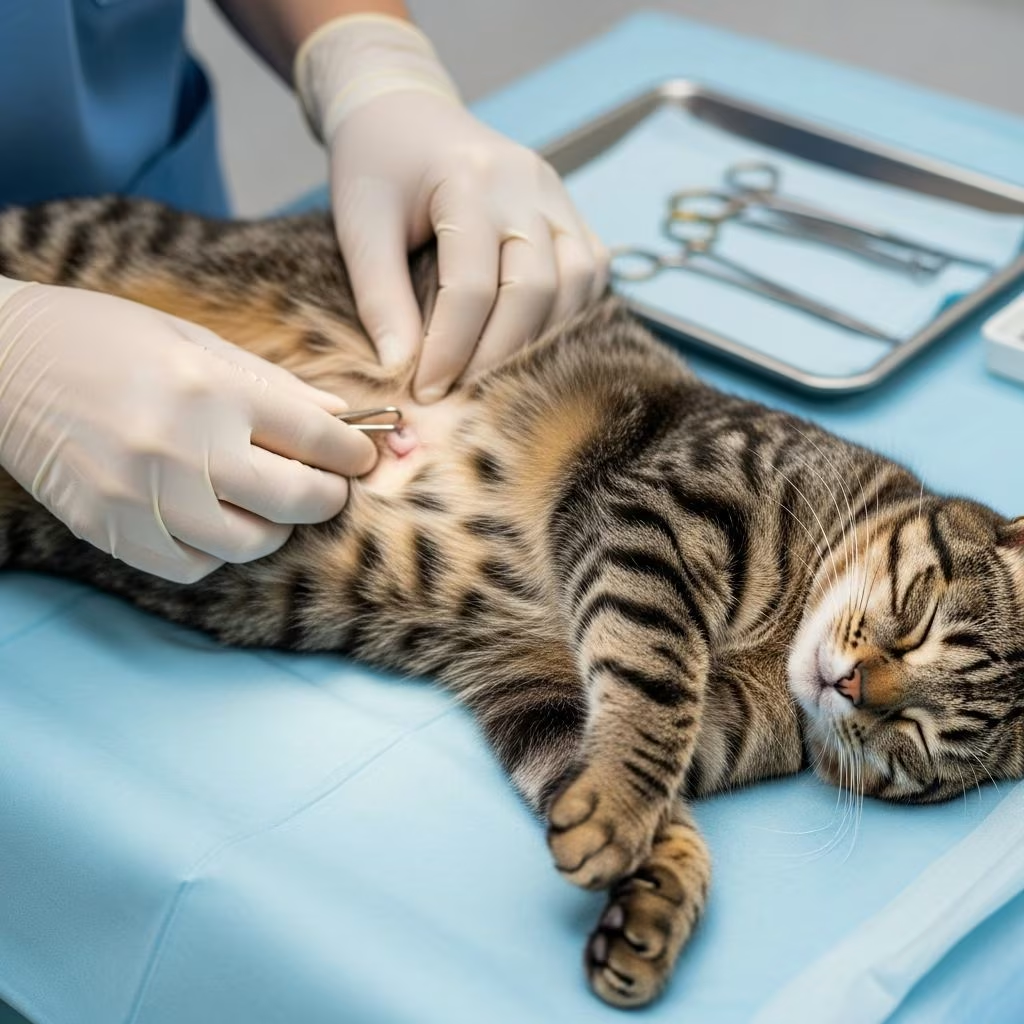
Hernias in cats occur when internal tissues or organs push through weakened areas in muscle or connective tissue walls, potentially leading to serious health issues if untreated. While rare in felines, these conditions demand prompt veterinary attention to avoid complications like organ strangulation.
Understanding the Basics of Feline Hernias
A hernia develops when there’s a breach in the body’s protective muscular barriers, allowing abdominal contents to protrude abnormally. In cats, this can affect various body regions, from the abdomen to the diaphragm. Early detection often allows for straightforward management, primarily through surgical correction, ensuring a positive outcome for most patients.
Cats may be born with these weaknesses or acquire them later due to external factors. Unlike dogs, feline hernias are less prevalent but can escalate quickly, making owner awareness crucial for timely intervention.
Primary Types of Hernias Affecting Cats
Several hernia varieties impact cats, each with distinct locations and risk profiles. Recognizing these helps in swift diagnosis.
- Inguinal Hernias: These involve the groin region where abdominal organs slip through the inguinal canal. Common in pregnant females or those with congenital openings, they present as soft swellings near the hind legs.
- Diaphragmatic Hernias: Occurring when abdominal organs enter the chest cavity via a tear in the diaphragm, often from trauma like falls or car accidents. This type can impair breathing and heart function.
- Umbilical Hernias: Small protrusions at the belly button site, typically congenital and resolving naturally in kittens, though larger ones may persist.
- Perineal Hernias: Rare, affecting the area around the anus and rectum, more frequent in unneutered senior males due to hormonal influences weakening pelvic muscles.
- Hiatal Hernias: The stomach protrudes into the esophagus area, potentially causing regurgitation and breathing difficulties.
| Hernia Type | Common Location | Typical Cats Affected |
|---|---|---|
| Inguinal | Groin | Pregnant females, kittens |
| Diaphragmatic | Chest cavity | Trauma victims |
| Umbilical | Belly button | Kittens |
| Perineal | Pelvic floor | Older intact males |
| Hiatal | Esophagus | Any age |
Key Causes Behind Hernia Development in Cats
Hernias stem from a mix of innate and environmental triggers. Congenital defects top the list, where kittens inherit incomplete muscle closures from birth.
Trauma ranks high, including blunt impacts from vehicles, falls, or fights that tear abdominal walls. Straining during chronic constipation stresses muscles, creating vulnerabilities.
Pregnancy weakens abdominal structures under fetal weight pressure, elevating risks for unspayed females. Aging leads to muscle atrophy, particularly in seniors, while obesity exacerbates strain on weakened tissues.
Post-surgical issues, like improper spay sutures, can also initiate hernias, underscoring the need for skilled veterinary procedures.
Recognizing Warning Symptoms in Your Cat
Owners should monitor for these indicators, as hernias can progress silently before becoming emergencies.
- Visible lumps or swellings in the abdomen, groin, or navel area that may change size.
- Lethargy, reluctance to move, or hiding more than usual.
- Loss of appetite, weight loss, or refusal to eat.
- Vomiting, retching, or bloody urine signaling internal distress.
- Gas, bloating, coughing, or rapid breathing, especially post-trauma.
- Depression, pain on touch near the site, or fever in strangulated cases.
If strangulation occurs—where tissue loses blood supply—symptoms intensify with shock, pale gums, and collapse, requiring immediate ER care.
How Veterinarians Diagnose Feline Hernias
Diagnosis starts with a thorough physical exam, palpating for protrusions and assessing stability. Blood work, including complete blood counts and chemistry panels, evaluates overall health and detects infections or organ stress.
Imaging is pivotal: X-rays reveal organ displacement, while ultrasounds offer detailed views of contents and viability. In complex cases, contrast studies or CT scans confirm diaphragmatic involvement.
Pre-surgical tests ensure anesthesia safety, addressing any comorbidities first for non-emergent repairs.
Surgical Interventions: The Gold Standard Treatment
Surgery remains the definitive fix, repositioning organs and suturing defects. For reducible hernias, vets may attempt manual replacement initially, but persistent or complicated ones demand operation.
In spay/neuter procedures, incidental repairs minimize anesthesia exposures. Emergency surgeries address strangulations by removing necrotic tissue and stabilizing patients.
Techniques vary by type: inguinal repairs reinforce canals, diaphragmatic ones suture tears after organ relocation. Post-op, antibiotics like Convenia and pain relievers such as buprenorphine aid recovery.
Step-by-Step Recovery After Hernia Surgery
Expect 10-14 days of restricted activity, using e-collars to prevent licking. Monitor incision sites for redness, discharge, or dehiscence.
- Days 1-3: Quiet rest, small frequent meals, pain meds as prescribed.
- Weeks 1-2: No jumping, limit play; staple removal around day 10.
- Follow-up: Vet checks at 7-10 days to assess healing.
Complications like infections or recurrences are rare with proper care, but watch for coughing or breathing issues signaling issues.
Preventive Measures for Keeping Hernias at Bay
Spaying before pregnancy slashes inguinal risks. Maintain ideal weight via balanced diets to ease muscular strain.
High-fiber foods combat constipation, alongside regular vet checkups for early defect spotting. Avoid high-risk activities like unsupervised outdoor roaming to cut trauma odds.
For breeds prone to congenital issues, genetic screening and early neutering support proactive health management.
FAQs on Cat Hernias
Can cat hernias heal without surgery?
Small umbilical hernias may close spontaneously in kittens, but most require surgical correction to prevent progression.
Is hernia surgery costly for cats?
Costs range $500-$2500 depending on type, location, and complications; pet insurance can offset expenses.
How soon after trauma should I seek vet care?
Immediately if breathing issues or swelling appear, as diaphragmatic hernias can be life-threatening.
Do all hernias cause pain in cats?
Not initially, but strangulation leads to severe pain; early signs include behavioral changes.
What’s the prognosis post-surgery?
Excellent for uncomplicated cases, with low recurrence if activity is restricted during recovery.
Long-Term Outlook and When to Worry
With timely surgery, most cats resume normal lives without recurrence. Untreated hernias risk fatal strangulation or respiratory failure, especially diaphragmatic types.
Annual wellness exams catch subclinical weaknesses, promoting longevity. Owners play a vital role by noting subtle changes like appetite dips or unusual postures.
References
- Inguinal Hernia in Cats: Causes and How To Treat It — PetMD. 2023. https://www.petmd.com/cat/conditions/musculoskeletal/inguinal-hernia-cats
- Hernias in Cats: Causes, Symptoms & Surgery — Monte Vista Vet. 2023-07-17. https://www.montevistavet.com/site/blog/2023/07/17/hernias-in-cats
- Hernias in Cats: Causes, Symptoms, Surgeries — Animal Hospital of Clemmons. 2020-07-27. https://www.animalhospitalofclemmons.com/site/veterinary-pet-care-blog/2020/07/27/hernias-cats-causes-symptoms-surgeries
- Hernias in Cats: Causes, Symptoms & Surgeries — Ferguson Animal Hospital. 2023-11-15. https://www.fergusonanimalhospital.com/site/blog/2023/11/15/hernias-cats-causes-symptoms-surgeries
- Cat Hernia 101: Types, Diagnosis & Treatment — Hill’s Pet Nutrition. 2023. https://www.hillspet.com/cat-care/healthcare/cat-hernia-types-and-treatments
- Hernias in Cats – Causes, Treatment and Associated Conditions — Vetster. 2023. https://vetster.com/en/conditions/cat/hernias
- Cat Hernia: Symptoms, Surgery, and Cost — Godspeed Animal Care. 2024-02-15. https://www.godspeedanimalcare.com/site/blog/2024/02/15/cat-hernia



