

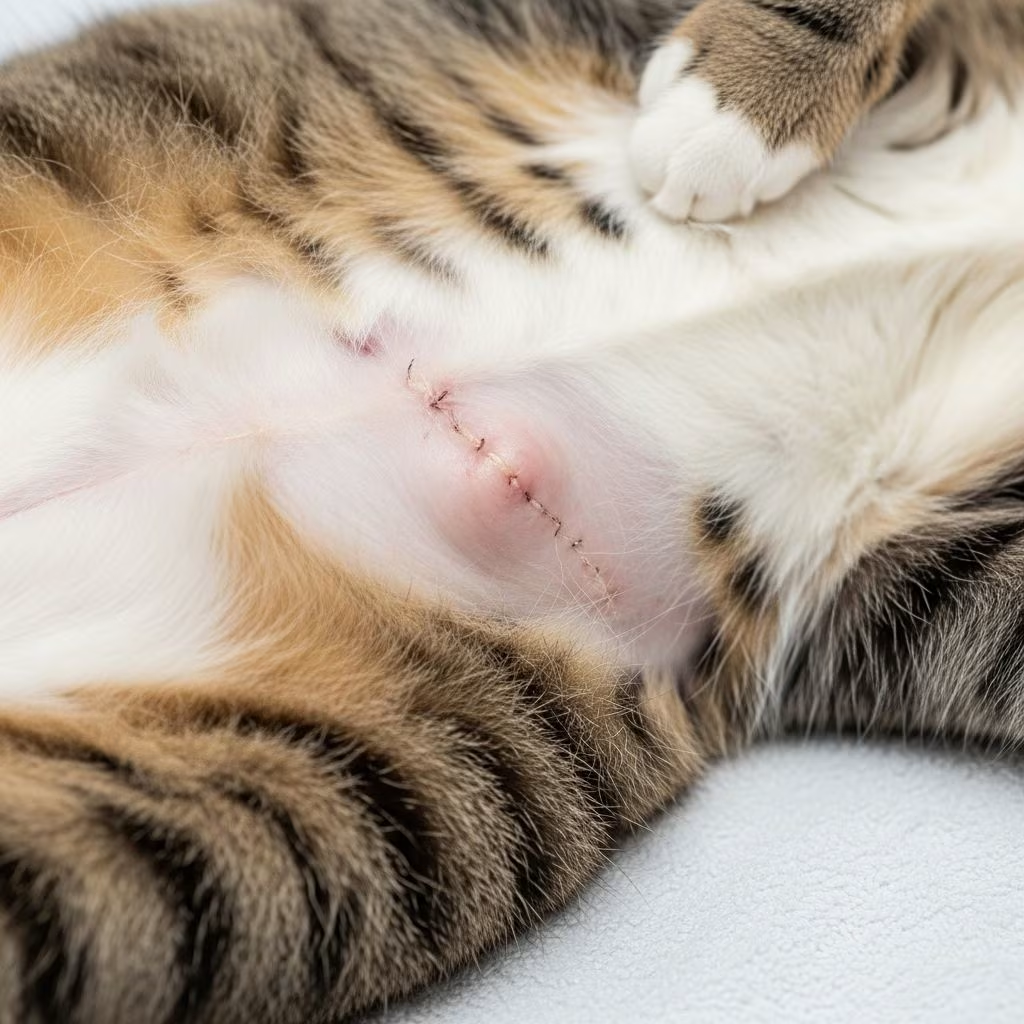
After spaying or neutering your cat, discovering a new lump on the abdomen can spark immediate concern. While many such swellings are harmless post-surgical reactions, some may signal a hernia requiring prompt attention. Understanding the distinction empowers cat owners to make informed decisions about their pet’s care.
Understanding Hernias in Felines
A hernia in cats occurs when an organ or tissue protrudes through a weakened spot in the muscle or surrounding tissue wall. In the abdominal region, this creates a noticeable bulge as contents from the body cavity push outward. These defects are relatively common across species, including cats, and can arise from birth, injury, or surgical aftermath.
Cats may develop hernias congenitally or due to trauma. Post-spay hernias, though less frequent, stem from surgical site vulnerabilities where abdominal wall integrity is compromised. Proper post-op care significantly reduces this risk by limiting physical strain during healing.
Common Types of Hernias Affecting Cats
Hernias vary by location and severity. Recognizing types helps in early detection:
- Umbilical Hernias: These appear near the belly button, often as a soft, bubble-like swelling visible when the cat stretches or cries. Common in kittens, they frequently resolve naturally by 3-4 months but may persist or enlarge.
- Inguinal Hernias: Located in the groin area, these involve a canal that allows fat or intestines to slip through. They affect both sexes but are rarer in cats.
- Diaphragmatic Hernias: These bridge the chest and abdomen via the diaphragm, often trauma-induced like car accidents. Congenital forms exist but are uncommon.
Post-spay hernias typically mimic incisional or umbilical types, emerging at the surgery site due to suture issues or excessive activity.
Why Lumps Appear After Spay or Neuter Surgery
Not every abdominal bump post-surgery is a hernia. Common benign causes include:
| Cause | Description | Duration |
|---|---|---|
| Seroma | Fluid accumulation at incision site | 1-2 weeks |
| Hematoma | Blood collection under skin | 1-3 weeks |
| Normal Swelling | Inflammatory response to surgery | 7-14 days |
| Infection | Red, warm, pus-filled lump | Requires immediate vet |
Hernias specifically arise if sutures fail—due to poor material choice, improper closure, or the cat jumping/climbing too soon. Keeping felines confined indoors and calm for 10-14 days post-op minimizes risks.
Recognizing Symptoms of a Hernia in Your Cat
Monitor for these signs, especially 7-14 days post-surgery:
- Soft, squishy protrusion that may reduce when pushed gently (but don’t force it)
- Bulge more prominent during activity like meowing or standing
- Discomfort: Reluctance to be touched, changes in appetite, or lethargy
- Severe indicators: Vomiting, straining to defecate, rapid breathing, or pale gums—emergencies
Palpate gently; if contents slip back easily and the cat acts normal, it’s often monitorable. Persistent or painful lumps warrant a vet visit.
Diagnosis: How Vets Confirm a Hernia
Veterinarians diagnose via physical exam, feeling the defect’s edges. For ambiguity:
- Ultrasound: Visualizes contents and organ involvement
- Radiographs (X-rays): Checks for trapped intestines
- Sometimes bloodwork to rule out infection
Early diagnosis prevents strangulation, where tissue loses blood supply—a rare but critical complication.
Treatment Options for Feline Hernias
Management depends on size and symptoms:
- Watchful Waiting: Small, reducible hernias in kittens often self-resolve or are fixed during routine spay/neuter.
- Surgical Repair: Preferred for adults or enlarging hernias. Performed under general anesthesia, vets close the defect with sutures or mesh. Often combined with spay/neuter to avoid repeat anesthesia.
Pre-surgery: Fast overnight, IV fluids/anesthesia protocol. Procedure is straightforward, with low complication rates.
Post-Surgery Recovery and Care Guidelines
Recovery mirrors spay/neuter: 10-14 days of restricted activity.
- Confine to a single room; no jumping
- Monitor incision: Clean, dry; watch for redness/discharge
- Soft food, pain meds as prescribed
- Follow-up: Suture removal, progress checks
Complications like infection or recurrence are rare with proper care. Aspiration pneumonia risk post-diaphragmatic repair requires vigilance for cough/breathing issues.
Preventing Hernias After Cat Surgeries
Proactive steps:
- Choose experienced vets for spay/neuter
- Strict rest: Use baby gates, crates if needed
- Weight management: Obesity strains incisions
- Regular check-ups for congenital issues
Genetic predispositions exist for umbilical types; breeding awareness helps.
When to Rush to the Vet
Seek immediate care if:
- Lump enlarges rapidly
- Cat shows pain, vomiting, or diarrhea
- Incision opens or bleeds
- Behavioral changes like hiding/excessive panting
Better safe than sorry—prompt intervention saves lives.
Frequently Asked Questions (FAQs)
Will my cat’s post-spay lump go away on its own?
Many do within 2 weeks if benign swelling. Hernias may not; vet evaluation needed.
How much does cat hernia surgery cost?
Varies by location/clinic; typically $300-$1500 including anesthesia/follow-ups. Pet insurance helps.
Can hernias recur after repair?
Uncommon with proper surgery; early detection key to low recurrence.
Is spay/neuter safe for cats with existing hernias?
Yes—often repaired concurrently, minimizing anesthesia exposure.
What breeds are prone to cat hernias?
No strong breed links, but congenital umbilical types seen across purebreds and mixes.
Long-Term Outlook for Cats with Hernias
With timely treatment, most cats recover fully, leading normal lives. Surgery resolves issues permanently in the vast majority, preventing future complications. Vigilant owners catch problems early, ensuring happy, healthy felines.
References
- Cat Lumps After Spay or Neutering: Potential Hernia Concerns? — Hills Pet. 2023. https://www.hillspet.com/cat-care/healthcare/identifying-cat-lump-hernia-after-spay-or-nuetering
- Hernia Surgery for Cats — Gluckstadt Animal Hospital. 2024-02-15. https://www.gluckstadtanimalhospital.com/site/blog/2024/02/15/hernia-surgery-cats
- Cat Hernia Surgery & Recovery — Madison Park Vet. 2023-05-15. https://www.madisonparkvet.com/site/blog/2023/05/15/cat-hernia-surgery-recovery
- Hernias in Cats: Causes, Symptoms & Surgery — Providence Vets Waxhaw. 2021-06-14. https://www.waxhaw.providencevets.com/site/blog/2021/06/14/hernias-cats-causes-symptoms-surgery
- Cat Hernia Surgery — Torrance Animal Hospital. 2024-05-15. https://www.torranceanimalhospital.com/site/blog/2024/05/15/cat-hernia-surgery
- Cat Hernias: Causes, Symptoms, and Treatment — ASPCA Pet Insurance. N/A. https://www.aspcapetinsurance.com/resources/cat-hernia/



