

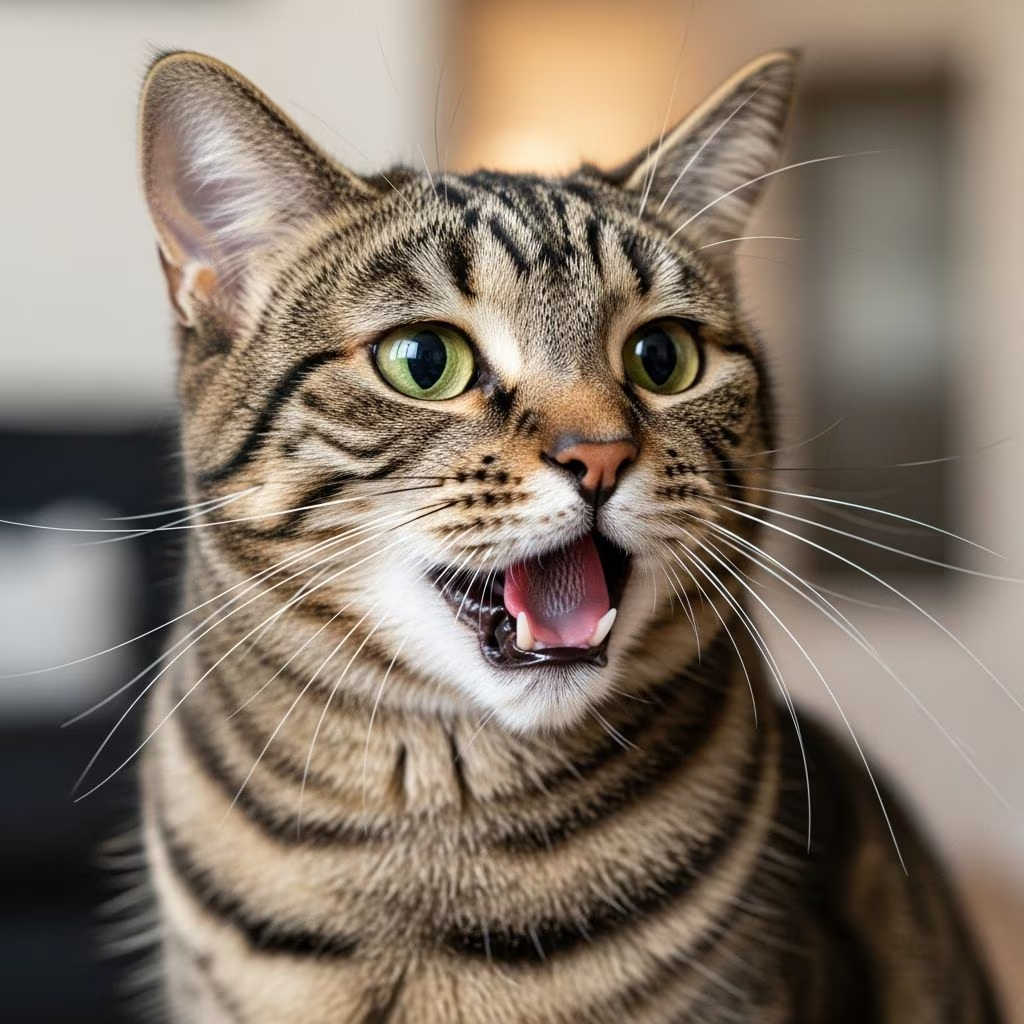
Heavy breathing in cats, also known as dyspnea or labored respiration, is not normal and often indicates an underlying health problem requiring immediate attention. Unlike dogs, cats rarely pant to cool down, so open-mouth breathing or rapid chest movements signal distress. Recognizing these signs early can be life-saving, as conditions like asthma, heart failure, or infections can progress quickly.
What Does Heavy Breathing in Cats Look Like?
Normal cat breathing is quiet and rhythmic, with a rate of 15-30 breaths per minute at rest. Heavy breathing appears as exaggerated effort, often visible in the sides, chest, and abdomen moving rapidly in and out. Key observable signs include:
- Open-mouth breathing or panting: Cats breathe through their nose normally; mouth breathing suggests severe compromise.
- Extended neck and lowered head: The cat stretches forward to maximize airflow.
- Noisy respiration: Wheezing, whistling, groaning, or rattling sounds with each breath.
- Coughing or gagging: Often hacking motions to clear airways.
- Blue-tinged gums or tongue: Indicates oxygen deprivation—an emergency.
- Lethargy and reluctance to move: Weakness, prolonged sleep, loss of appetite.
If you notice these, especially in combination, contact a vet immediately. Delaying can lead to collapse or fatality.
Causes of Heavy Breathing in Cats
Several conditions cause feline heavy breathing, ranging from respiratory to cardiac issues. Identifying the root cause requires veterinary diagnostics like X-rays, bloodwork, or ultrasounds.
Asthma
Feline asthma is a common allergic inflammation of the airways, causing spasms, mucus buildup, and obstruction. Triggers include pollen, dust, smoke, or litter. Symptoms mimic human asthma: wheezing, coughing (often mistaken for hairballs), open-mouth panting, and rapid breathing. While incurable, it’s manageable with inhalers, corticosteroids, or bronchodilators to reduce inflammation and open airways.
Heartworm Disease
Heartworm, transmitted by mosquitoes, lodges in lungs and heart, causing inflammation and breathing difficulties. Cats show coughing, panting, and lethargy; it’s often fatal without prevention. Treatment is supportive—corticosteroids for inflammation, oxygen therapy—since adult worms are hard to kill safely. Monthly preventatives are essential.
Congestive Heart Failure and Hydrothorax
In older cats, heart failure leads to fluid accumulation (pleural effusion or pulmonary edema) around or in the lungs, restricting expansion and causing deep, rapid breaths, coughing, and weakness. Hydrothorax specifically involves chest fluid buildup. Treatments include draining fluid (thoracocentesis), diuretics, vasodilators, and heart medications to strengthen contractions.
Respiratory Infections
Viral upper respiratory infections (URIs) like feline herpesvirus or calicivirus inflame nasal passages, throat, and lungs, leading to congestion, sneezing, and heavy breathing. Secondary bacterial infections worsen it, potentially causing pneumonia. Supportive care includes antibiotics, humidifiers, steam therapy to loosen mucus, and fluids.
Other Causes
Less common but serious triggers include:
- Trauma or injury: Chest hits cause pain and pneumothorax.
- Tumors or cancer: In lungs, throat, or chest compress airways.
- Anemia: Low red blood cells reduce oxygen carry, prompting faster breathing.
- Pneumonia or pulmonary edema: Fluid-filled lungs from infection or heart issues.
- Allergies or obstructions: Foreign objects, allergic reactions block airways.
- Pain, stress, or shock: Temporary but signals underlying problems.
A table summarizing key causes and symptoms:
| Condition | Key Symptoms | Common Treatments |
|---|---|---|
| Asthma | Wheezing, coughing, panting | Corticosteroids, bronchodilators |
| Heartworm | Coughing, lethargy | Supportive care, preventatives |
| Heart Failure/Hydrothorax | Rapid deep breaths, fluid signs | Drain fluid, diuretics |
| Respiratory Infection | Congestion, sneezing | Antibiotics, humidifiers |
| Other (e.g., Trauma, Anemia) | Pain, weakness | Cause-specific (surgery, fluids) |
Is Heavy Breathing in Cats an Emergency?
Yes, in most cases. Open-mouth breathing, blue gums, collapse, or breathing rate over 40/min at rest demands immediate ER care. Even mild signs warrant a same-day vet visit, as rapid deterioration is common in cats hiding illness. Monitor rest rate: Count for 15 seconds, multiply by 4. Above 30-40 is abnormal.
Diagnosis of Cat Heavy Breathing
Vets start with physical exam, history, then:
- Bloodwork/urinalysis for infection, anemia.
- X-rays/ultrasound for fluid, tumors, heart size.
- Echocardiogram for heart function.
- Heartworm tests.
- Endoscopy or bronchoscopy for airways.
Early diagnosis improves outcomes dramatically.
Treatment Options for Heavy Breathing in Cats
Tailored to cause:
- Medications: Antibiotics for infections, steroids/antihistamines for inflammation/allergies, bronchodilators for asthma.
- Oxygen therapy: In hospital for critical cases.
- Fluid drainage: Thoracocentesis for effusions.
- Surgery: Tumor removal, obstruction clearance.
- Supportive: Fluids, pain relief, nebulization.
- Alternative: Acupuncture in chronic cases.
Follow-up monitors progress; lifestyle changes like low-dust litter help prevent recurrence.
Prevention Tips for Cat Breathing Problems
Proactive steps reduce risks:
- Vaccinate against respiratory viruses.
- Monthly heartworm preventatives.
- Avoid smoke, strong scents, allergens.
- Maintain ideal weight to ease heart/lung strain.
- Regular vet check-ups, especially seniors.
- Use dust-free litter; ensure good ventilation.
Frequently Asked Questions (FAQs)
Why is my cat breathing heavy with mouth open?
This indicates severe respiratory distress, possibly asthma, infection, or heart issues. Seek emergency care.
Can stress cause heavy breathing in cats?
Yes, temporarily, but persistent cases need vet evaluation for underlying disease.
How do I check my cat’s breathing rate?
At rest, count chest rises for 15 seconds, multiply by 4. Normal: 15-30 bpm.
Is cat panting normal after play?
Briefly yes, but prolonged or at rest is abnormal—monitor closely.
What home remedies help cat heavy breathing?
Steam/humidifier for mucus, but never delay vet care; these are supportive only.
When to See a Vet for Cat Heavy Breathing
Any abnormal breathing warrants a call. Emergencies: blue gums, collapse, extreme lethargy. Better safe—cats mask symptoms until critical.
References
- Why is my Cat Breathing Heavy & What Can I Do — Maury County Veterinary Hospital. 2023-07-31. https://www.maurycountyvet.com/site/blog/2023/07/31/cat-breathing-heavy–what-can-do
- Why is my Cat Breathing Heavy & What Can I Do — AMC of Cumming. 2023-05-15. https://www.amcofcumming.com/site/blog/2023/05/15/cat-breathing-heavy-why-what-can-i-do
- Why is my Cat Breathing Heavy & What Can I Do — Wolfe Animal Hospital. 2022-12-30. https://www.wolfeanimal.com/site/blog/2022/12/30/why-is-my-cat-breathing-heavy–what-can-i-do
- Why is My Cat Breathing Heavy? — Violet Crown Veterinary Specialists. N/A. https://www.violetcrownvet.com/why-is-my-cat-breathing-heavy
- Heavy Breathing in Cats, What You Need to Do — Hershey Animal Emergency. N/A. https://hersheyanimaler.com/blog/heavy-breathing-in-cats/
- Heavy Breathing in Cats: Recognize Emergency Signs & Next Steps — GSVS. N/A. https://gsvs.org/blog/heavy-breathing-cats-emergency/
- Dyspnea (Difficulty Breathing) — Cornell University College of Veterinary Medicine. N/A. https://www.vet.cornell.edu/departments-centers-and-institutes/cornell-feline-health-center/health-information/feline-health-topics/dyspnea-difficulty-breathing



