

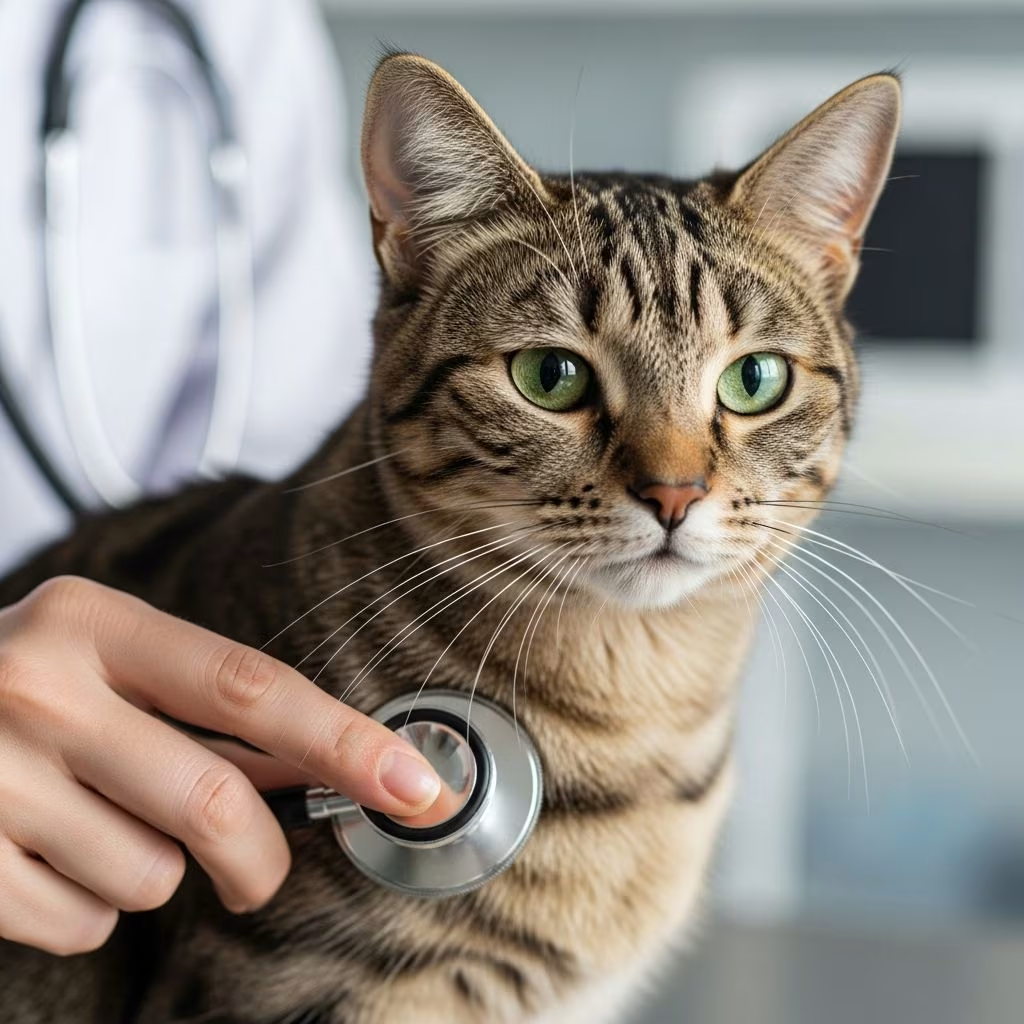
Monitoring your cat’s heart rate provides critical clues about their overall health. A typical resting heart rate for adult cats falls between 140 and 220 beats per minute (bpm), though this can vary based on activity, age, and stress levels.
Why Heart Rate Matters in Feline Wellness
The heart rate, or pulse, reflects how efficiently your cat’s cardiovascular system functions. Deviations from the norm can signal stress, pain, dehydration, or serious conditions like heart disease. Regular checks help establish a baseline for your individual cat, enabling early detection of problems.
Cats often mask illness, making home monitoring invaluable. Veterinary experts emphasize that knowing your cat’s normal range empowers owners to act swiftly when irregularities appear.[10]
Standard Ranges for Cat Heart Rates
Healthy adult cats at rest typically exhibit heart rates of 140-220 bpm. Kittens may exceed this due to their rapid growth, while seniors might trend lower.
| Cat Life Stage | Typical Resting Heart Rate (bpm) | Notes |
|---|---|---|
| Kittens | 200-300 | Higher due to growth and energy. |
| Adults | 140-220 | Standard range when relaxed. |
| Seniors | 120-160 | May decrease with age-related changes.[10] |
Some authoritative veterinary references note slightly narrower resting rates around 120-140 bpm for deeply relaxed cats, but excitement or recent play can push it higher.
Step-by-Step: Measuring Your Cat’s Heart Rate at Home
Assessing pulse is straightforward with practice. Always ensure your cat is calm—ideally sleeping or lounging—to get an accurate resting value.
- Position your cat: Gently place them on their right side or have them stand quietly.
- Locate the pulse: Place two fingers (index and middle) on the chest behind the left front leg, where the elbow meets the body. Alternatively, feel the femoral artery on the inner thigh near the hind leg.
- Count the beats: Time 15 seconds and multiply by 4, or count for a full 60 seconds for precision. Note rhythm—steady is ideal, without skips.
- Record and compare: Track over several sessions to establish your cat’s baseline.
A regular rhythm without irregularities indicates good health. Irregular beats warrant professional evaluation.
Factors That Influence Feline Heart Rates
Several variables affect readings, so context is key.
- Activity and Excitement: Play or stress elevates rates temporarily—up to 220+ bpm is common post-exertion.
- Age: Younger cats have faster hearts; older ones slower.
- Size and Breed: Smaller or brachycephalic breeds may run higher.
- Environment: Heat, anxiety, or pain can spike rates.
- Health Status: Fever, anemia, or thyroid issues alter baselines.
Always measure in a quiet setting for reliability. Post-exercise rates normalize within minutes in healthy cats.
Recognizing Abnormal Heart Rates and Symptoms
Persistent rates outside 140-220 bpm at rest signal potential issues. Tachycardia (over 220 bpm) may indicate pain, dehydration, or hyperthyroidism; bradycardia (under 120 bpm) could suggest heart block or hypothermia.
Watch for accompanying signs:
- Lethargy or weakness
- Labored breathing (normal rest: 20-30 breaths/min)
- Loss of appetite
- Coughing or fainting
- Gum color changes (should be pink; pale or blue is emergency)
If heart rate remains elevated >30 minutes post-rest or drops critically low, seek vet care immediately.
Related Vital Signs to Monitor Alongside Heart Rate
Comprehensive checks include temperature (100.5-102.5°F), respiration (20-30/min), and capillary refill time (<2 seconds).[10]
| Vital Sign | Normal Range | How to Check |
|---|---|---|
| Respiration | 20-30 breaths/min | Observe chest rise/fall for 15 sec, x4. |
| Temperature | 100.5-102.5°F | Rectal thermometer (lubricated). |
| Capillary Refill | <2 sec | Press gum; color return time. |
These metrics together paint a fuller health picture. Abnormalities in multiples heighten urgency.[10]
When to Consult a Veterinarian
Don’t delay if:
- Heart rate consistently >220 or <120 bpm at rest.
- Irregular rhythm detected.
- Combined with distress signs like vomiting, collapse, or blue gums.
- Sudden changes from known baseline.
Vets use ECGs, bloodwork, or ultrasounds for diagnosis. Early intervention improves outcomes for conditions like cardiomyopathy.
Preventive Tips for Cardiac Health in Cats
Maintain wellness through:
- Balanced diet low in sodium.
- Regular exercise to prevent obesity.
- Annual vet exams with heart screenings.
- Stress reduction via enrichment.
- Parasite control to avoid heartworm.
Breed-specific risks (e.g., Maine Coons for HCM) merit tailored monitoring.
Frequently Asked Questions About Cat Heart Rates
What is a dangerous heart rate for my cat?
Sustained rates over 220 bpm or under 120 bpm at rest, especially with symptoms, require immediate vet attention.
Does my cat’s heart rate change with sleep?
Yes, sleeping cats often dip to 120-140 bpm, the lowest end of normal.[10]
Can stress alone cause high heart rates?
Absolutely—vet visits or handling can temporarily elevate it. Recheck when calm.
How often should I check my cat’s heart rate?
Weekly for baselines; daily if illness suspected.
Is a kitten’s heart rate always higher?
Yes, often 220-300 bpm due to development.
Proactive monitoring fosters longer, healthier lives for cats. Consult professionals for personalized advice.
References
- What Is a Normal Heart Rate for Cats? — K&H Pet Products. 2023. https://khpet.com/blogs/cats/what-is-a-normal-heart-rate-for-cats
- Understanding the Vital Signs of Cats: A Comprehensive Guide — TICA. 2024. https://tica.org/blogs/understanding-the-vital-signs-of-cats-a-comprehensive-guide/
- Cat health checklist: What is your cat’s normal? — Vetster. 2024. https://vetster.com/en/wellness/cat-health-checklist-what-is-your-cat-s-normal
- What’s a Normal Cat Temperature, Heart and Breathing Rate? — American Red Cross. 2023. https://www.redcross.org/take-a-class/resources/learn-pet-first-aid/cat/normal-temperature-heart-breathing-rate
- What Is a Normal Cat Heart Rate? — Apex Vets. 2024. https://apex.vet/blog/cat-heart-rate/
- Emergency 1: Feline Vital Signs — CatHelp-Online. 2023. https://www.cathelp-online.com/emergency/vitals.php
- Normal Vital Signs — California Veterinary Emergency Team (UC Davis). 2024-06. https://cvet.vetmed.ucdavis.edu/sites/g/files/dgvnsk13661/files/inline-files/CVET%20Vital%20Signs%2006_2024.pdf



