
Cat Heart Murmurs Explained
Discover what heart murmurs mean for your cat, from detection to management strategies for a healthier life.
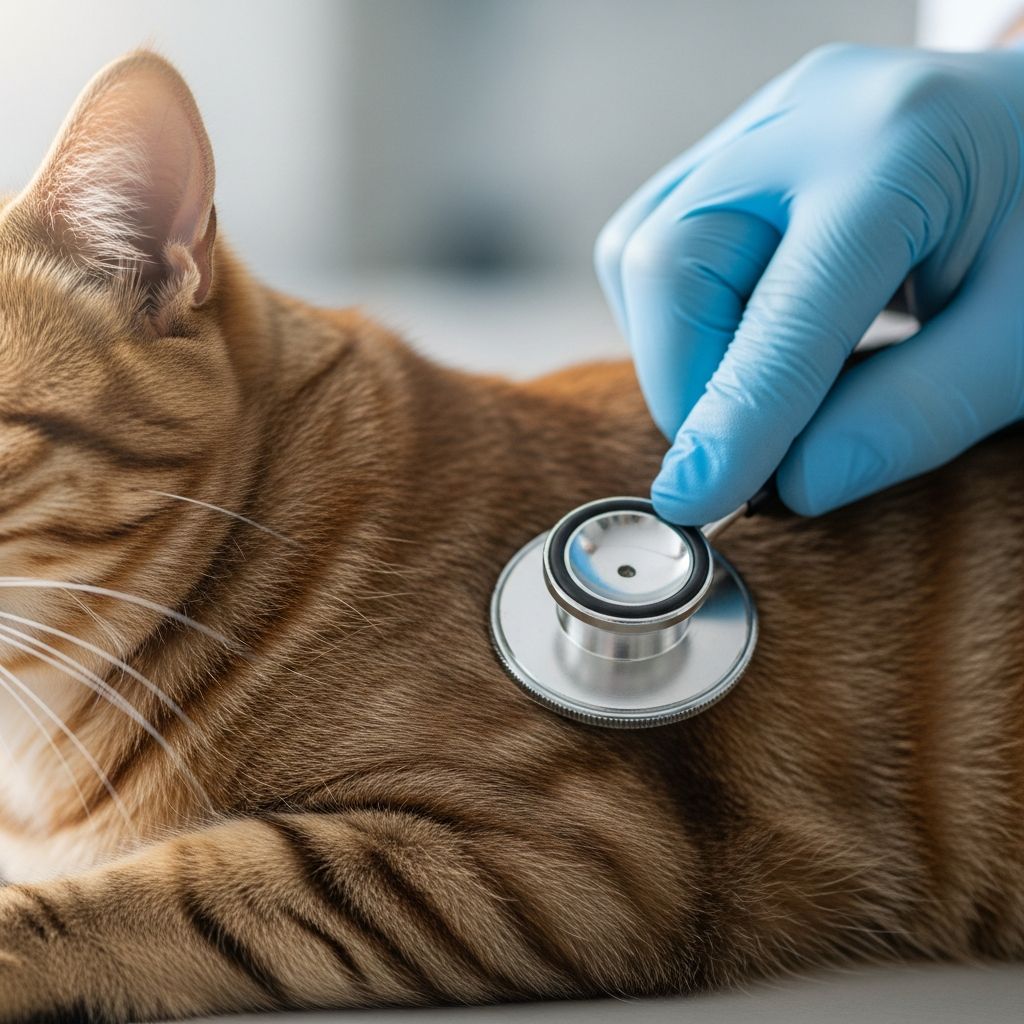
Heart murmurs in cats represent an abnormal sound detected during a veterinary examination of the heart, often signaling turbulence in blood flow. These sounds, described as whooshing or extra beats beyond the normal ‘lub-dub,’ can range from harmless to indicative of serious cardiac conditions. Understanding this phenomenon is crucial for cat owners, as early detection can significantly improve outcomes.
Understanding the Basics of Feline Heart Murmurs
A heart murmur occurs when blood flow through the heart or surrounding vessels creates turbulent vibrations audible via stethoscope. In cats, this is frequently discovered incidentally during routine check-ups, particularly in middle-aged or senior felines. While some murmurs are benign, others stem from structural defects, valve issues, or extracardiac factors like anemia or hyperthyroidism.
The heart’s normal function relies on smooth blood circulation through chambers and valves. Disruptions, such as narrowed vessels, septal holes, or weakened valves, generate the characteristic noise. Importantly, the presence of a murmur does not always correlate with disease severity; quiet murmurs can mask significant problems, and loud ones may be innocent.
Grading Systems for Heart Murmurs in Cats
Veterinarians grade murmurs from 1 to 6 based on intensity, location, and palpability. This system helps gauge potential concern but requires further testing for confirmation.
| Grade | Description | Implications |
|---|---|---|
| 1 | Very soft, barely audible to trained ears | Often innocent; monitor |
| 2 | Soft, audible with careful listening | May need evaluation |
| 3 | Moderate, easily heard over heart | Common; investigate causes |
| 4 | Loud, radiates to chest sides | Potential structural issue |
| 5 | Very loud with chest thrill/vibration | High concern; urgent diagnostics |
| 6 | Loudest, heard without stethoscope contact | Serious; immediate action needed |
Grading considers timing (systolic during contraction, diastolic during relaxation) and location (left, right, or both sides of chest). Higher grades, especially 4-6, often prompt advanced imaging.
Common Causes Behind Feline Heart Murmurs
- Structural Heart Diseases: Hypertrophic cardiomyopathy (HCM), the most prevalent in cats, thickens heart walls, impeding flow. Valve degeneration or congenital defects like ventricular septal defects also contribute.
- Extracardiac Factors: Anemia thins blood, increasing flow speed; hyperthyroidism accelerates heart rate; fever or stress causes transient murmurs.
- Functional/Innocent Murmurs: Seen in kittens or excited cats, these resolve without intervention and lack underlying pathology.
Breeds like Maine Coons, Ragdolls, and Sphynx show genetic predispositions to HCM, warranting proactive screening.
Recognizing Symptoms of Heart Murmurs and Related Conditions
Cats often mask early cardiac issues, making owner vigilance essential. Mild murmurs may be asymptomatic, but progression reveals signs tied to heart failure or thromboembolism.
- Weight loss or muscle wasting despite normal eating
- Lethargy, reduced activity, or hiding
- Difficulty breathing, rapid/shallow respirations, or open-mouth breathing
- Pale or blue-tinged gums
- Decreased appetite or vomiting
- Coughing, wheezing, or fluid in lungs (advanced CHF)
- Rear limb weakness/paralysis from clots (saddle thrombus)
Weak pulses, irregular rhythms, or abdominal fluid buildup signal advanced disease. Prompt veterinary consultation is vital if these appear.
Diagnostic Approaches for Accurate Assessment
Initial detection happens via auscultation during exams. Further diagnostics pinpoint causes:
- Physical Exam and History: Assess grade, rhythm, pulses, and systemic signs.
- Bloodwork: Checks for anemia, hyperthyroidism (T4 levels), kidney function; NT-proBNP quantifies heart stress.
- Chest X-rays: Evaluate heart size, lung fluid, vessel enlargement.
- Echocardiogram (Cardiac Ultrasound): Gold standard; visualizes structure, measures flow via Doppler.
- ECG: Detects arrhythmias if rhythm issues noted.
Board-certified cardiologists often perform ultrasounds sedated or conscious. Repeat tests monitor progression.
Treatment Strategies and Management Options
Treatment varies by cause and severity. Innocent murmurs need only monitoring.
- Medications: Beta-blockers (atenolol) for HCM; diuretics (furosemide) reduce fluid; ACE inhibitors (benazepril) ease workload; anti-clotting agents (clopidogrel) prevent thrombi.
- Hyperthyroidism Management: Methimazole or surgery resolves secondary murmurs.
- Anemia Correction: Address underlying issues like chronic disease.
- Diet and Lifestyle: Low-sodium cardiac diets; stress reduction; weight control.
- Surgery: Rare; septal defect repairs or valve interventions in select cases.
Regular check-ups (every 3-6 months) track changes. Prognosis improves with early intervention; HCM can be stable lifelong with management.
Preventive Measures and Home Monitoring Tips
Proactive care extends feline heart health:
- Annual senior exams (over 7 years) for early murmurs.
- Monitor weight, appetite, breathing rate (<30/min resting).
- Avoid stressors; provide quiet environments.
- Genetic screening for at-risk breeds.
- Track symptoms via journals for vet discussions.
Holistic support like omega-3 supplements may aid, per vet advice.
Frequently Asked Questions (FAQs)
Can all heart murmurs in cats be cured?
No, many are managed lifelong, but innocent ones resolve naturally. Treatment focuses on symptoms and halting progression.
Is a grade 3 murmur dangerous?
It warrants diagnostics; severity depends on underlying cause, not just grade.
How much does an echocardiogram cost for cats?
Varies by location; typically $300-$800, including consult.
Do kittens outgrow heart murmurs?
Many innocent murmurs fade by 6 months; persistent ones need evaluation.
Can diet alone treat cat heart murmurs?
Diet supports but doesn’t replace meds for diseased hearts.
Long-Term Outlook and When to Seek Emergency Care
With vigilant care, cats with managed murmurs enjoy good quality life. Watch for sudden collapse, severe breathing distress, or paralysis—emergencies requiring immediate ER visits. Survival post-thrombus improves with rapid anti-clot therapy.
Partnering with vets ensures tailored plans. Advances in feline cardiology, like new biomarkers, enhance detection.
References
- What to Know About Heart Murmur in Cats — WebMD. 2023. https://www.webmd.com/pets/cats/what-to-know-about-heart-murmur-in-cats
- Heart Murmur in Cats: What It Is, Symptoms and Treatment — Willow Glen Pet Hospital. 2023. https://willowglenpethospital.com/heart-murmur-in-cats/
- Heart Murmur in Cats: What It Is and How to Manage — PetMD. 2023. https://www.petmd.com/cat/conditions/cardiovascular/c_ct_heart_murmur
- Heart Murmurs in Cats — VCA Animal Hospitals. 2023. https://vcahospitals.com/know-your-pet/heart-murmurs-in-cats
- Heart Murmur in Cats — Carolina Veterinary Specialists. 2023-03-15. https://www.matthews.carolinavet.com/site/pet-health-blog/2023/03/15/heart-murmur-cat
Similar Articles








Read full bio of Sneha Tete




