

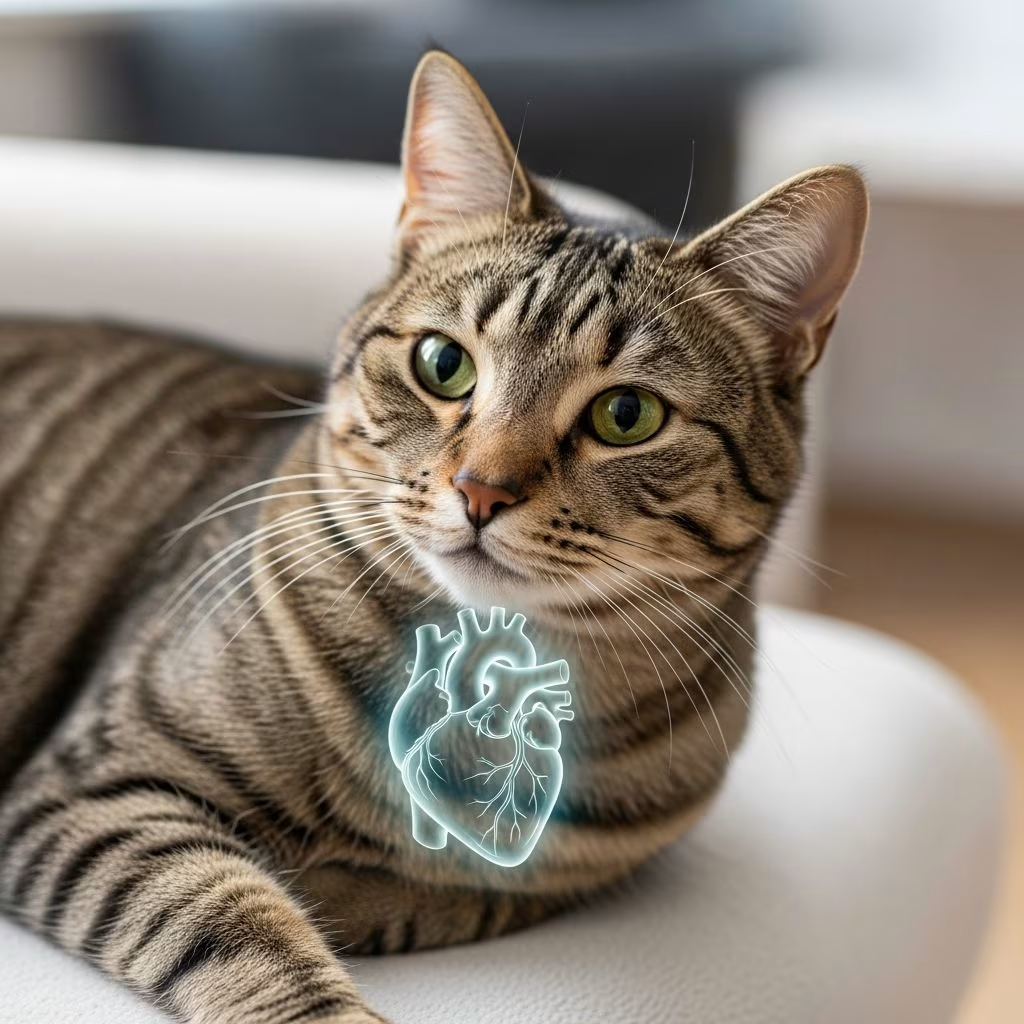
Congestive heart failure (CHF) in cats occurs when the heart cannot pump blood effectively, causing fluid buildup and breathing difficulties. Early detection and proper management can extend life and comfort.
Understanding Feline Heart Failure
The feline heart works tirelessly to circulate oxygen-rich blood throughout the body. When it weakens, **congestive heart failure** develops, often due to underlying conditions like hypertrophic cardiomyopathy, where heart muscle thickens abnormally. Unlike dogs, cats rarely cough from CHF; instead, they show subtler signs.
This condition affects cats of all ages but is more common in middle-aged to seniors. Breeds like Maine Coons, Ragdolls, and Persians face higher risks due to genetic predispositions. Left-sided failure backs fluid into lungs, while right-sided causes abdominal swelling.
Early Warning Signs to Watch For
Cat owners must recognize subtle changes, as symptoms can escalate quickly. Key indicators include:
- Rapid or labored breathing: Even at rest, rates exceed 30 breaths per minute; cats may pant with open mouths.
- Lethargy and weakness: Reduced activity, reluctance to jump or play, preferring to sit upright.
- Appetite loss and weight changes: Sudden disinterest in food leads to unintended weight loss.
- Swollen abdomen or limbs: Fluid accumulation (ascites) from right-sided issues.
- Cold extremities: Paws and ears feel cooler due to poor circulation.
- Occasional collapse: Fainting or sudden weakness from low oxygen.
Monitor breathing during sleep: normal is under 30 breaths/minute. Increases signal worsening CHF.
Root Causes Behind CHF
CHF rarely stands alone; it’s typically secondary to primary heart diseases. Common triggers:
| Cause | Description | Prevalence in Cats |
|---|---|---|
| Hypertrophic Cardiomyopathy (HCM) | Thickened heart walls impair pumping | Most common |
| Restrictive Cardiomyopathy | Stiff heart muscle limits filling | Less frequent |
| Taurine Deficiency | Nutritional lack weakens heart (rare now) | Declining |
| Hyperthyroidism | Overactive thyroid strains heart | Common in seniors |
| High Blood Pressure | Damages vessels and heart | Often coexists |
Genetic factors play a role, with some cats forming blood clots (thromboembolism) that block arteries, worsening failure.
Diagnostic Steps for Accurate Assessment
Veterinarians use a multi-step approach to confirm CHF and pinpoint causes:
- Physical Exam: Listen for abnormal heart rhythms, check gum color, measure breathing rate.
- Blood Tests: Evaluate kidney function, electrolytes, thyroid levels, and taurine.
- Imaging: Chest X-rays reveal enlarged heart or fluid; echocardiogram visualizes muscle thickness and function.
- ECG: Detects arrhythmias.
- Blood Pressure: Identifies hypertension.
Thoracocentesis (fluid drainage) may provide immediate relief and samples for analysis. Early diagnosis prevents crises.
Emergency Response and Stabilization
Severe episodes demand immediate vet care. Signs like open-mouth breathing or collapse require hospitalization:
- Oxygen Therapy: Masks or chambers ease respiration.
- Diuretics: IV furosemide reduces lung fluid rapidly.
- Fluid Drainage: Needle aspiration for pleural or abdominal effusions.
- Sedation: Calms distressed cats, reducing oxygen demand.
Stabilization often takes 24-48 hours before discharge.
Long-Term Management Strategies
CHF is manageable but lifelong. Tailored medications form the cornerstone:
| Medication Type | Examples | Purpose |
|---|---|---|
| Diuretics | Furosemide, Spironolactone | Eliminate excess fluid |
| ACE Inhibitors | Enalapril, Benazepril | Relax vessels, ease heart workload |
| Inotropes | Pimobendan | Boost heart contractility |
| Anticoagulants | Clopidogrel | Prevent clots and strokes |
| Blood Pressure Meds | Amlodipine | Control hypertension |
| Beta-Blockers | Various | Regulate heart rate |
Dosing may require multiple daily administrations, challenging for owners. Vets adjust based on response.
Nutrition and Lifestyle Adjustments
Switch to **low-sodium diets** like veterinary cardiac formulas to minimize fluid retention. Taurine supplements aid if deficient. Reduce stress with quiet environments, pheromone diffusers, and avoid high-heat areas.
Weight management prevents obesity-related strain. Interactive play in moderation maintains muscle without exhaustion.
Home Monitoring Essentials
Owners are vital to success. Track:
- Daily breathing rate (asleep).
- Weight weekly.
- Appetite and energy.
- Medication adherence.
Re-checks include X-rays, echoes, bloodwork every 3-6 months or sooner if symptoms recur. Alert vet to rate >30 bpm, swelling, or lethargy spikes.
Complications and Prognosis
Common issues: recurrent fluid buildup, aortic thromboembolism (ATE) causing hind-leg paralysis and pain. Kidney strain from diuretics complicates care, especially with co-existing diseases.
With treatment, many cats live 1-3+ years post-diagnosis, quality varying by cause and response. Untreated, survival is weeks to months.
When Quality of Life Declines
Consider euthanasia if:
- Repeated respiratory crises requiring hospitalization.
- Chronic pain from clots or uncontrolled symptoms.
- Refusal of food/meds, severe lethargy.
Discuss with vets; tools like quality-of-life scales guide decisions.
Frequently Asked Questions
Can cats recover from heart failure?
No full recovery, but medications stabilize and extend comfortable life.
Is CHF painful for cats?
Not directly, but breathing distress and clots cause discomfort; treatments alleviate.
How much does treatment cost?
Initial stabilization: $1,000-$5,000; monthly meds/diet: $50-$200. Varies by case.
Can diet alone manage CHF?
Supports but doesn’t replace meds; low-sodium cardiac diets recommended.
What breeds are at risk?
Maine Coon, Ragdoll, Persian, Sphynx; any cat possible.
Prevention Tips for Heart Health
Annual vet exams catch early disease. Screen seniors for HCM via echoes. Feed balanced diets with taurine. Manage hyperthyroidism promptly. Genetic testing for at-risk breeds.
References
- Congestive Heart Failure in Cats — VCA Animal Hospitals. 2023. https://vcahospitals.com/know-your-pet/congestive-heart-failure-in-cats
- Congestive Heart Failure in Cats — Paws at Peace. 2024. https://pawsatpeace.com/congestive-heart-failure-cats/
- Congestive Heart Failure in Cats — PetMD. 2024. https://www.petmd.com/cat/conditions/cardiovascular/heart-failure-cats
- Signs of Heart Disease in Cats & How It’s Treated — Carolina Veterinary Specialists. 2022-08-15. https://www.rock-hill.carolinavet.com/site/blog/2022/08/15/cat-heart-disease
- Congestive Heart Failure in Cats — PetVet Care Centers. 2024-02-15. https://www.petvetcarecenters.com/site/blog/2024/02/15/congestive-heart-failure-cats
- Congestive Heart Failure (CHF) in Cats: Signs and Causes — Veg.com. 2023. https://www.veg.com/post/congestive-heart-failure-chf-in-cats-signs-and-causes
- Feline Congestive Heart Failure: Current Diagnosis and Management — PubMed. 2017-06-20. https://pubmed.ncbi.nlm.nih.gov/28647113/



