
Cat Heart Disorders: Acquired Conditions
Discover causes, signs, and treatments for acquired heart issues in cats to help your pet live longer.
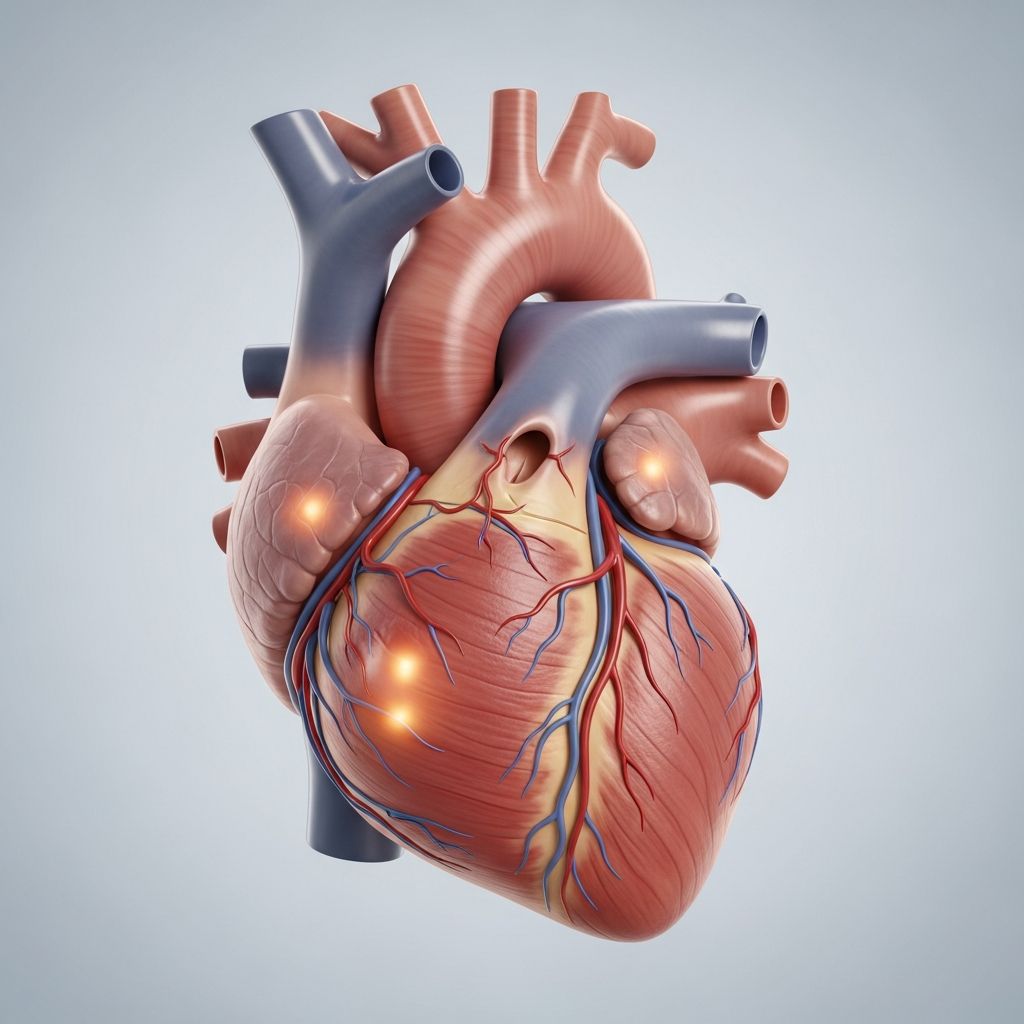
Acquired heart and blood vessel disorders in cats develop over time due to factors like genetics, diet, infections, or other diseases, unlike congenital issues present at birth. These conditions can significantly impact a cat’s quality of life but are often manageable with timely veterinary intervention.
Common Types of Acquired Feline Heart Diseases
Cats commonly suffer from several acquired cardiac conditions that affect the heart muscle, valves, or surrounding structures. Understanding these helps owners recognize early signs.
- Hypertrophic Cardiomyopathy (HCM): The heart muscle thickens abnormally, reducing chamber size and impairing blood flow. It’s the most prevalent in cats, often linked to genetic factors but can arise secondarily.
- Dilated Cardiomyopathy (DCM): The heart chambers enlarge and weaken, struggling to pump blood effectively. Historically tied to taurine deficiency from poor diets, it’s rarer now with commercial foods.
- Restrictive Cardiomyopathy (RCM): Stiff heart walls limit filling, leading to poor circulation. Causes include inflammation or fibrosis.
- Endocarditis: Bacterial infection on heart valves forms clots that can embolize elsewhere, causing systemic issues.
- Pericardial Disorders: Fluid or masses around the heart, like effusions, compress the organ, known as tamponade.
Recognizing Symptoms of Heart Problems in Cats
Cats hide illness well, so heart disease signs often appear late. Watch for subtle changes to catch issues early.
| Symptom | Description | Associated Condition |
|---|---|---|
| Rapid or labored breathing | Cat breathes faster than 30 times per minute at rest or shows open-mouth breathing | Congestive heart failure (CHF) |
| Lethargy and weakness | Reduced activity, reluctance to jump or play | HCM, DCM |
| Sudden hind limb paralysis | Cold limbs, pain, inability to walk; aortic thromboembolism (ATE) | Saddle thrombus from clots |
| Loss of appetite, weight loss | Gradual decline, sometimes with vomiting | Endocarditis, hyperthyroidism-related |
| Coughing or gagging | Less common in cats but indicates fluid buildup | CHF |
Other signs include fainting, blue gums, or abdominal swelling from fluid. ATE affects 10-20% of cats with severe heart disease, often as the first noticeable symptom.
How Heart Disease Progresses in Felines
Many cats start asymptomatic. Routine exams detect murmurs or irregular rhythms via stethoscope. Progression leads to CHF, where fluid accumulates in lungs (pulmonary edema) or chest (pleural effusion), causing respiratory distress. Clots form due to stagnant blood in enlarged atria, lodging in arteries and blocking flow, especially to hind legs.
Secondary factors like hyperthyroidism accelerate damage by increasing heart workload, but treating the thyroid often improves cardiac function.
Diagnostic Approaches for Feline Cardiac Issues
Vets use a multi-step process to confirm acquired heart disorders accurately.
- Physical Exam: Listens for murmurs, gallop rhythms, or weak pulses.
- Imaging: Chest X-rays reveal enlarged heart, fluid; echocardiography visualizes wall thickness, clots, function.
- ECG: Detects arrhythmias like tachycardia.
- Blood Tests: Check taurine levels, thyroid hormones, infection markers (e.g., for endocarditis).
- Monitoring: Home breathing rate checks guide treatment adjustments.
Early detection via annual exams in middle-aged or older cats (over 7 years) is crucial, as many show no overt signs initially.
Treatment Strategies for Acquired Heart Conditions
Treatment tailors to the condition stage, aiming to control symptoms, improve function, and prevent complications. No cure exists for most cardiomyopathies, but management extends life.
Medications Overview
- Diuretics (e.g., furosemide): Reduce fluid overload in lungs or abdomen. Essential for CHF.
- ACE Inhibitors (e.g., enalapril): Ease heart workload, control hormones causing vessel constriction.
- Beta-Blockers (e.g., atenolol): Slow heart rate, reduce thickening in HCM.
- Pimobendan: Boosts contractility without excess heart stimulation.
- Anticoagulants (e.g., clopidogrel): Prevent clots in high-risk cats.
- Antibiotics: For endocarditis, long-term to eradicate bacteria.
Mild cases may need no meds; advanced CHF requires 3-5 drugs. Doses adjust based on response, like breathing rate.
Emergency Interventions
For acute CHF or ATE: Hospitalize with oxygen, thoracocentesis (drain chest fluid), or pericardiocentesis for tamponade. Pain control and thrombolytics aid clot resolution.
Nutritional and Lifestyle Support
- Low-sodium diets minimize fluid retention.
- Taurine supplements if deficient in DCM.
- Omega-3 fatty acids support heart health.
- Indoor living, avoid exertion like chasing toys.
Physical therapy post-ATE helps regain mobility; assist with urination if needed.
Prognosis and Long-Term Outlook
Outcomes vary: Mild HCM cats live years without treatment; CHF shortens life to months without care. Taurine-responsive DCM has excellent prognosis with supplements. Endocarditis survival improves with aggressive antibiotics. Overall, medicated cats often enjoy good quality life.
Regular vet check-ups, home monitoring (breathing, weight), and med adherence are key. Hyperthyroidism treatment can reverse some changes.
Preventing Acquired Heart Disorders
While genetics play a role, prevention focuses on modifiable risks:
- Feed balanced, taurine-rich commercial diets.
- Screen for hyperthyroidism annually in seniors.
- Maintain ideal weight to reduce heart strain.
- Annual exams with echo for breeds prone to HCM (e.g., Maine Coon, Ragdoll).
Frequently Asked Questions (FAQs)
What causes sudden paralysis in my cat’s back legs?
It’s likely an aortic thromboembolism (ATE) from a heart clot. Seek emergency vet care immediately.
Can heart disease in cats be cured?
Rarely cured, but well-managed with medications, many cats live comfortably for years.
Should I change my cat’s diet for heart issues?
Yes, low-sodium, taurine-supplemented foods help. Consult your vet.
How do I monitor my cat at home?
Count breaths per minute at rest (normal <30), watch for lethargy or appetite changes.
Is HCM hereditary in cats?
Often genetic; breeding programs screen for it in susceptible breeds.
References
- Acquired Heart and Blood Vessel Disorders in Cats — Merck Veterinary Manual. 2023. https://www.merckvetmanual.com/cat-owners/heart-and-blood-vessel-disorders-of-cats/acquired-heart-and-blood-vessel-disorders-in-cats
- Heart Disease – Cats — Cummings School of Veterinary Medicine at Tufts University. 2023. https://vet.tufts.edu/foster-hospital-small-animals/specialty-services/cardiology/heartsmart/heart-disease-cats
- Congestive Heart Failure in Cats — VCA Animal Hospitals. 2023. https://vcahospitals.com/know-your-pet/congestive-heart-failure-in-cats
- Diagnosis: Heart Disease — Cornell University College of Veterinary Medicine. 2023. https://www.vet.cornell.edu/departments-centers-and-institutes/cornell-feline-health-center/health-information/feline-health-topics/diagnosis-heart-disease
- The Feline Cardiomyopathies: 1. General concepts — PMC (NCBI). 2021-12-20. https://pmc.ncbi.nlm.nih.gov/articles/PMC8723176/
Similar Articles








Read full bio of medha deb




