

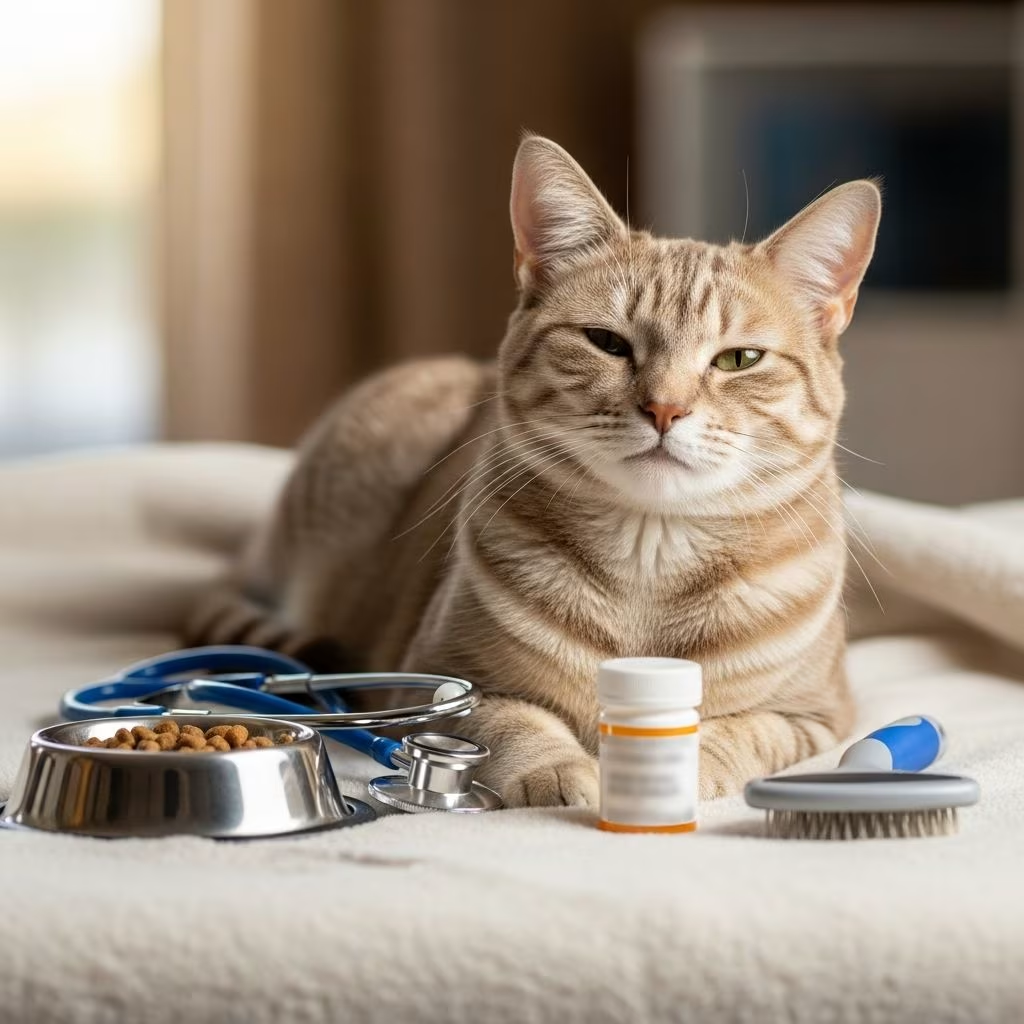
Cat Health Care General Guidelines
Providing proper health care for your cat is one of the most important responsibilities of pet ownership. Cats have unique health needs that require understanding and attention. By following these general guidelines, you can help ensure your feline companion enjoys a long, healthy, and happy life. This comprehensive guide covers essential aspects of cat health care, from preventive measures to recognizing common health issues.
Understanding Your Cat’s Nutritional Needs
Cats are obligate carnivores, meaning they must eat a balanced, meat-based diet to thrive. Unlike dogs, cats have special nutritional requirements, including specific amino acids that their bodies cannot produce on their own. Providing high-quality cat food that meets these requirements is fundamental to your cat’s overall health.
Obesity is the most frequent nutritional disease affecting cats today. Approximately 25 percent of cats seen by veterinarians are overweight. Overweight cats face serious health complications including liver disease, heart problems, and diabetes. Preventing and managing obesity requires monitoring your cat’s weight regularly and consulting with your veterinarian about appropriate food types and portion sizes based on your individual cat’s needs.
Feeding Guidelines
Establish a consistent feeding schedule that suits your cat’s age and activity level. Kittens require more frequent meals and specialized kitten formulas, while adult cats typically benefit from once or twice daily feeding. Always provide fresh, clean water alongside food. Your veterinarian can recommend specific caloric intake based on your cat’s age, weight, and health status.
Vaccinations and Preventive Care
Vaccinations are crucial for protecting your cat against serious and potentially fatal diseases. Kittens should receive their initial vaccination series starting at 4 weeks of age, with boosters every 2-3 weeks until they reach 16-20 weeks of age, with at least two vaccines administered at 16 weeks of age or later. Adult cats require regular booster vaccinations to maintain immunity.
Core vaccines protect against feline viral rhinotracheitis, calicivirus, and panleukopenia (FVRCP). Your veterinarian may recommend additional vaccines based on your cat’s lifestyle and risk factors. Maintaining an up-to-date vaccination schedule is one of the most effective ways to prevent serious illnesses in cats.
Additional Preventive Measures
Beyond vaccinations, preventive health care includes:
- Regular veterinary check-ups at least annually, or more frequently for senior cats
- Parasite prevention including flea, tick, and worm treatments
- Dental care and tooth brushing to prevent periodontal disease
- Maintaining a healthy weight through proper diet and exercise
- Spay or neuter surgery to prevent reproductive cancers and unwanted behaviors
Dental Health Care
Dental disease is one of the most common health issues in cats, yet it is often overlooked by pet owners. Poor dental hygiene can lead to painful infections, tooth loss, and even systemic health problems affecting the heart and kidneys. Regular dental care should be part of your cat’s health maintenance routine.
Brush your cat’s teeth daily if possible, or at least several times per week using a cat-specific toothbrush and toothpaste. Schedule professional dental cleanings with your veterinarian as recommended. Watch for signs of dental problems such as bad breath, difficulty eating, drooling, or swollen gums, and report these to your veterinarian promptly.
Parasite Prevention and Control
Parasites can cause serious health problems in cats. Fleas, ticks, and intestinal parasites not only cause discomfort but can also transmit diseases. A comprehensive parasite prevention program is essential for indoor and outdoor cats alike.
Your veterinarian can recommend appropriate flea and tick prevention products suitable for your cat’s age and health status. Kittens and cats should receive prophylactic deworming upon arrival in your home, and regular deworming as recommended by your veterinarian. Indoor cats should also receive preventive treatments, as parasites can be brought into the home through other pets or on clothing and shoes.
Recognizing Signs of Illness
Cats are skilled at hiding when they don’t feel well, making it challenging to recognize illness. However, understanding common signs of health problems can help you seek veterinary care promptly. Diligent observation of your cat’s daily activity and appetite is essential for early detection of illness.
Common Signs of Illness Include:
- Changes in appetite or water consumption
- Lethargy or decreased activity levels
- Vomiting or diarrhea
- Respiratory symptoms such as sneezing, coughing, or nasal discharge
- Difficulty using the litter box or changes in urination patterns
- Excessive grooming or hair loss
- Weight loss or weight gain
- Behavioral changes or increased aggression
- Discharge from eyes, nose, or ears
If you notice any of these signs, contact your veterinarian for an evaluation. Many illnesses are more treatable when caught early.
Upper Respiratory Infections in Cats
Upper respiratory infections (URI) are common in cats, particularly in shelter and multi-cat environments. These infections are caused by various pathogens and can range from mild to severe. Cats that appear healthy can carry URI pathogens and shed them to other cats, particularly during times of stress.
Symptoms of URI include sneezing, nasal discharge, eye discharge, coughing, and fever. While some cases resolve on their own with supportive care, others require veterinary treatment. If your cat’s nasal discharge becomes colored, contact your veterinarian as this may indicate a bacterial infection requiring antibiotics. Monitor your cat’s breathing closely; if they begin breathing with an open mouth or wheezing, seek immediate veterinary attention.
Managing Chronic Health Conditions
Some cats develop chronic health conditions that require ongoing management. Common chronic conditions in cats include diabetes, hyperthyroidism, chronic kidney disease, and arthritis. These conditions require regular monitoring and often involve medication management and dietary modifications.
If your cat requires medications, it’s important to administer all prescribed doses as directed by your veterinarian. Do not discontinue medications early even if your cat appears to be improving. If your cat has not responded to prescribed medications after the recommended time period, contact your veterinarian to discuss alternative treatment options.
Environmental Enrichment and Exercise
Mental stimulation and physical exercise are important components of cat health care. Cats need regular playtime and activities to maintain muscle tone, mental health, and overall well-being. Environmental enrichment can include climbing structures, toys, window perches, and interactive play sessions with their owners.
The amount of exercise needed varies by age and health status. Young, healthy cats typically need more vigorous play, while senior cats may prefer gentler activities. Providing appropriate outlets for natural behaviors like climbing, scratching, and hunting helps prevent behavioral problems and promotes physical health.
Litter Box Management and Urinary Health
Proper litter box maintenance is crucial for both hygiene and early detection of urinary problems. Maintain at least one litter box per cat, plus one additional box. Scoop waste daily and provide fresh litter regularly. Monitor your cat’s bathroom habits for changes in frequency or appearance of urine.
Urinary tract issues are common in cats and can be serious if left untreated. Changes in litter box habits, straining to urinate, or blood in urine are warning signs that require immediate veterinary attention. Providing fresh water, maintaining a healthy weight, and reducing stress can help prevent urinary problems.
Grooming and Skin Health
Regular grooming helps maintain your cat’s skin and coat health while providing an opportunity to check for abnormalities. Brush your cat several times per week, or daily if they have long hair, to prevent mats and reduce shedding. During grooming sessions, inspect your cat’s skin for signs of parasites, infections, or unusual lumps.
Pay special attention to your cat’s ears, checking for excessive wax buildup, odor, or signs of infection. Trim nails regularly or provide scratching posts to help cats maintain healthy claws. If your cat develops skin problems such as excessive itching, hair loss, or sores, consult your veterinarian for diagnosis and treatment.
End-of-Life Care and Senior Cat Health
As cats age, they require more frequent veterinary check-ups and may develop age-related health conditions. Senior cats (typically over age 10) benefit from veterinary visits twice yearly. Provide comfortable resting areas, maintain appropriate litter box accessibility, and monitor for signs of pain or discomfort.
Quality of life considerations become increasingly important as cats age. Work with your veterinarian to develop a pain management plan if your senior cat develops arthritis or other chronic conditions. Many cats can enjoy good quality of life well into their senior years with proper care and attention.
Emergency Care and When to Contact Your Veterinarian
Certain situations require immediate veterinary attention. Contact an emergency veterinary clinic or your regular veterinarian immediately if your cat experiences:
- Difficulty breathing or open-mouth breathing
- Inability to urinate or defecate
- Severe trauma or injuries
- Seizures or loss of consciousness
- Uncontrollable vomiting or diarrhea
- Signs of extreme pain
- Toxin ingestion
- Severe bleeding
Frequently Asked Questions
Q: How often should I take my cat to the veterinarian?
A: Adult cats should have annual veterinary check-ups, while kittens and senior cats (over 10 years old) may require more frequent visits. Your veterinarian can recommend the appropriate schedule based on your cat’s age and health status.
Q: What should I do if my cat refuses to take medication?
A: Ask your veterinarian about alternative medication forms, such as liquid formulations or compounded medications. Some medications can be mixed with food, though never hide medication without consulting your veterinarian first, as some medications cannot be taken with food.
Q: How can I help my overweight cat lose weight?
A: Work with your veterinarian to develop a weight loss plan that may include dietary changes, portion control, and increased exercise. Weight loss should be gradual to prevent hepatic lipidosis (fatty liver disease).
Q: Is it safe to give my cat human medications?
A: No. Many human medications are toxic to cats. Never give your cat any medication without explicit veterinary approval and guidance on proper dosing.
Q: What signs indicate my cat may have dental disease?
A: Bad breath, difficulty eating, drooling, swollen or bleeding gums, and loose teeth are signs of dental disease requiring veterinary evaluation.
Q: How can I tell if my cat is in pain?
A: Signs of pain in cats include decreased activity, changes in appetite, reluctance to jump or climb, excessive grooming of specific areas, aggression, and behavioral changes. Consult your veterinarian if you suspect your cat is experiencing pain.
References
- Feeding Your Cat — Best Friends Animal Society. Accessed 2025-11-28. https://bestfriends.org/pet-care-resources/feeding-your-cat
- Medical Care for Kittens Playbook — Best Friends Animal Society. Accessed 2025-11-28. https://bestfriends.org/network/resources-tools/medical-care-kittens-playbook
- Cat Foster Care Manual — Best Friends Animal Society. Accessed 2025-11-28. https://bestfriends.org/pet-care-resources/cat-foster-care-manual
- Basic Kitten Care — Best Friends Veterinary Center. 2023-11. https://bestfriendsvet.com/wp-content/uploads/2023/11/basickittencare.pdf
- Managing Feline Upper Respiratory Disease in Shelters — Best Friends Animal Society. Accessed 2025-11-28. https://bestfriends.org/network/webinars-videos/managing-feline-urtd-shelters-webinar



