

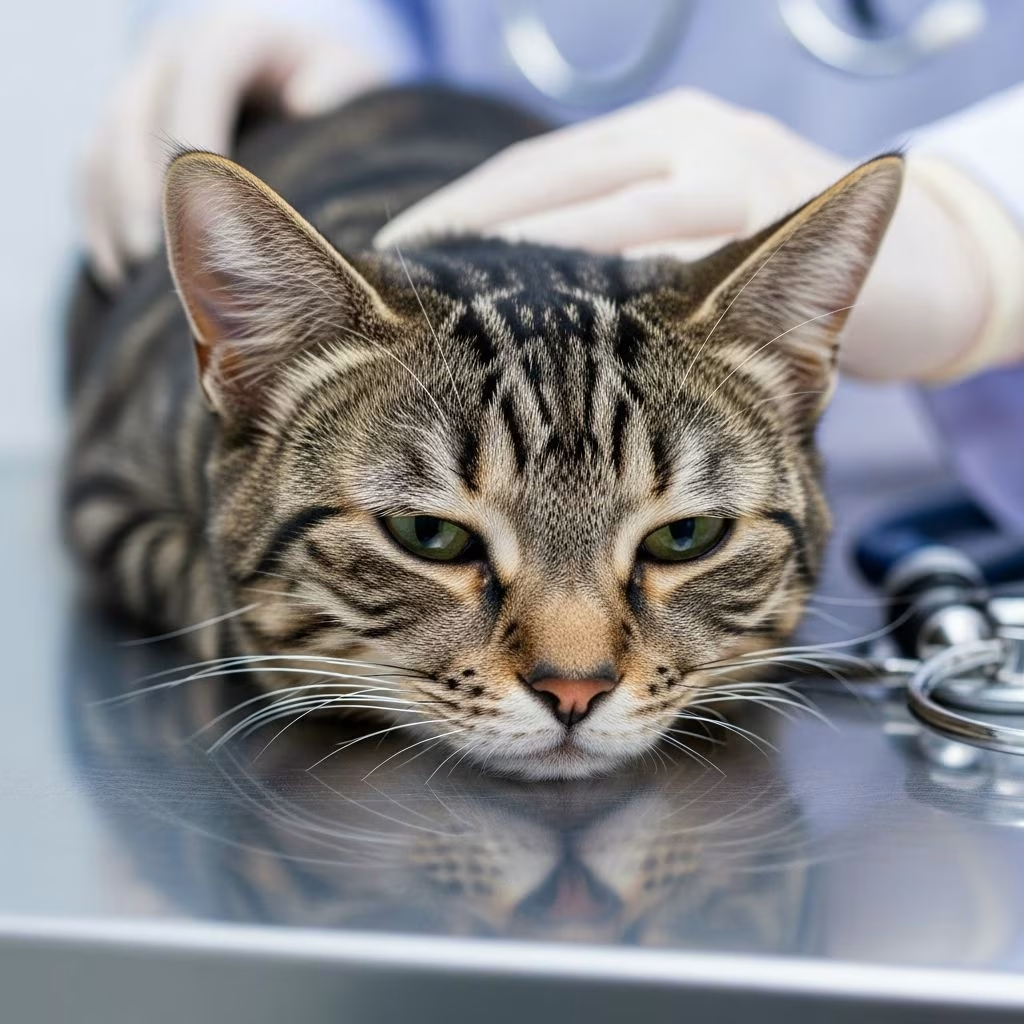
Head pressing occurs when a cat repeatedly pushes its head against a solid surface like a wall or corner without any obvious trigger, often signaling severe nervous system dysfunction that demands immediate veterinary evaluation.
Distinguishing Head Pressing from Everyday Cat Behaviors
Cats frequently rub their heads on objects or people as a natural scent-marking ritual to claim territory or show affection, known as bunting. This differs sharply from head pressing, where the cat applies firm, prolonged pressure appearing distressed or vacant, not playful or social.
- Normal bunting: Brief, affectionate rubs with purring or tail-up posture.
- Problematic pressing: Extended sessions against hard surfaces, often with blank stares or unresponsiveness.
Owners might initially mistake it for attention-seeking, but veterinary experts classify it as a red-flag neurological symptom requiring prompt action.
Common Warning Signs Accompanying Head Pressing
Isolated head pressing is rare; it typically clusters with other indicators of brain or nerve impairment. Monitoring these helps gauge severity.
| Symptom | Description | Potential Implication |
|---|---|---|
| Compulsive pacing or circling | Restless walking in tight circles, possibly causing foot sores from nonstop motion | Forebrain damage affecting balance and orientation |
| Dilated pupils or vision loss | Fixed wide pupils unresponsive to light; bumping into objects | Nerve damage impacting eye function |
| Seizures or tremors | Sudden convulsions, muscle spasms, or twitching | Brain inflammation or electrical disruptions |
| Disorientation and poor coordination | Stumbling, falling, or seeming confused in familiar spaces | Impaired reflexes from neurological compromise |
| Behavioral shifts | Lethargy, aggression, or unusual vocalizing | Overall brain function alteration |
These signs escalate the urgency; for instance, prolonged pacing can lead to secondary injuries like facial abrasions from repeated pressing.
Primary Neurological Causes Behind Head Pressing
Head pressing stems from disruptions in the forebrain or thalamus, regions controlling movement, senses, and awareness. Multiple conditions can provoke this.
Prosencephalon Disease and Forebrain Damage
This involves malformation or degeneration of the brain’s front section, disrupting normal reflexes, vision, and gait. Affected cats press heads to relieve intracranial pressure or discomfort from faulty neural signals.
Brain Tumors and Growths
Masses in the brain or nearby tissues increase pressure, prompting pressing as a response to pain or swelling. These can develop slowly or rapidly, affecting any age or breed.
Strokes and Vascular Events
Sudden oxygen deprivation to brain tissue causes neuron death, leading to pressing alongside weakness, circling, and alertness loss. Cats recover variably depending on damage extent.
Infectious and Inflammatory Triggers
Pathogens invading the nervous system provoke inflammation, mimicking other brain disorders.
- Viral assaults like rabies: Travels along nerves to the brain, causing twitching and pressing within days.
- Fungal or bacterial encephalitis: Brain swelling from infections, rare but fatal without antibiotics or antifungals.
- Feline-specific illnesses: Conditions like infectious peritonitis target neural tissues, compounding symptoms.
Immune-mediated encephalitis, unrelated to infection, may require steroids to curb inflammation.
Toxic Exposures Leading to Neurological Harm
Household hazards frequently cause head pressing via liver failure or direct nerve toxicity.
- Antifreeze, bleach, or pesticides damage livers, resulting in hepatic encephalopathy where toxins build up and affect the brain.
- Lead from old paint chips irritates neural pathways.
- Toxic plants or medications exacerbate symptoms like disorientation.
Swift decontamination is critical; outcomes improve with early intervention.
Trauma and Metabolic Factors
Physical injuries from falls or car accidents swell brain tissues, inducing pressing. Metabolic imbalances, such as liver shunts diverting blood and causing toxin accumulation, also contribute. Any cat—kitten to senior—can be susceptible, though older ones face higher tumor risks.
Diagnostic Approaches for Accurate Identification
Vets start with a full physical and history review, then advance to targeted tests.
- Blood panels and urinalysis: Detect toxins, infections, or organ failure.
- Neurological exam: Assess reflexes, pupil response, and coordination.
- Eye evaluation: Rules out inflammatory diseases.
- Advanced imaging: CT or MRI pinpoint tumors, strokes, or abscesses.
These confirm the root issue, guiding tailored therapy.
Treatment Strategies by Underlying Condition
Management varies widely, focusing on cause elimination and support.
| Condition | Treatment Options | Prognosis Notes |
|---|---|---|
| Toxicity | Induce vomiting, activated charcoal, IV fluids, antidotes | Excellent if caught early; liver support key |
| Infection/Encephalitis | Antibiotics, antifungals, steroids for swelling | Guarded; depends on pathogen response |
| Tumor | Surgery, radiation, chemotherapy, pain meds | Palliative often; curative rare |
| Trauma/Stroke | Anti-inflammatories, hospitalization, rehab | Variable recovery over weeks |
| Prosencephalon Disease | Symptomatic care, euthanasia if severe | Poor long-term outlook |
Hospitalization provides fluids, seizure control, and monitoring. Follow-ups track progress.
Prevention Tips for Proactive Cat Owners
Minimize risks through vigilance.
- Secure toxins: Store cleaners, plants, and meds out of reach.
- Supervise outdoors: Prevent trauma from fights or vehicles.
- Vaccinate: Rabies shots protect against deadly viruses.
- Regular checkups: Early detection of metabolic issues.
- Observe routines: Note behavior changes promptly.
When to Seek Emergency Care
Rush to a vet if head pressing persists over minutes, especially with seizures, collapse, or blindness. Delays worsen prognosis; many conditions progress rapidly.
Frequently Asked Questions (FAQs)
Is head pressing always fatal in cats?
No, but it’s grave; treatable causes like toxins have good outcomes if addressed fast, while tumors may not.
Can stress cause head pressing?
Unlikely; it’s neurological, not behavioral. Rule out medical issues first.
How long before seeing a vet?
Immediately—don’t wait for more symptoms.
Does breed affect risk?
No, impacts all equally.
Can home remedies help?
No; professional diagnosis essential. Avoid DIY detox.
References
- Cat Head Pressing: What Does It Mean & How to Treat It — Rover.com. 2023. https://www.rover.com/blog/cat-head-pressing/
- Head Pressing in Cats: Symptoms, Causes, and How to Treat — PetMD. 2024-01-15. https://www.petmd.com/cat/symptoms/head-pressing-cats
- Head Pressing in Cats – Causes, Treatment and Associated Symptoms — Vetster. 2024. https://vetster.com/en/symptoms/cat/head-pressing-in-cats
- What to Know About Cat Head Pressing — WebMD. 2023-06-20. https://www.webmd.com/pets/cats/what-to-know-cat-head-pressing
- Head Pressing — Wikipedia (informed primary veterinary sources). 2024. https://en.wikipedia.org/wiki/Head_pressing



