

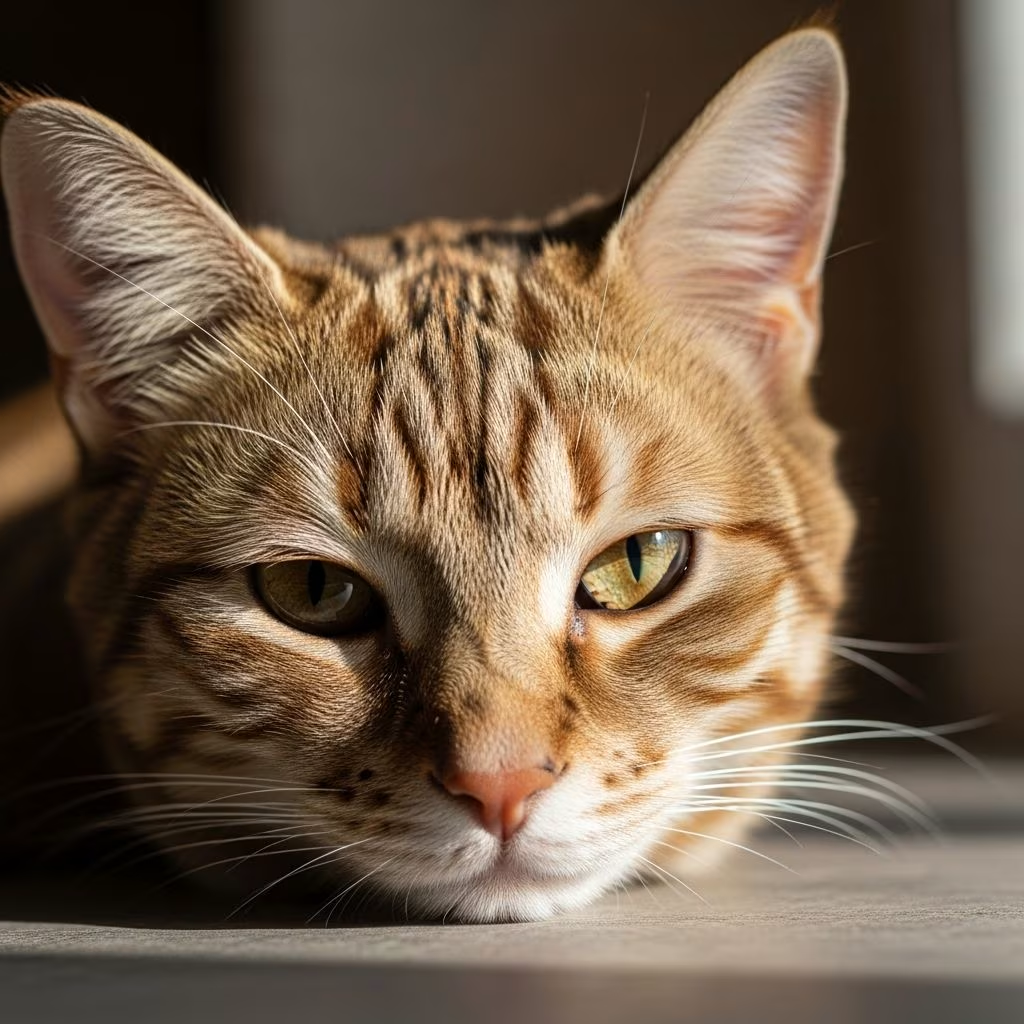
Observing your cat repeatedly pushing its head against walls, furniture, or other stationary objects can be alarming. Unlike playful or affectionate nudges, this compulsive action often points to underlying health concerns affecting the nervous system. Prompt recognition and veterinary intervention are crucial for addressing potential issues like infections, toxins, or tumors.
Understanding the Behavior: Head Pressing Defined
Head pressing occurs when a cat forcefully and persistently rubs or pushes its head against hard surfaces without an obvious trigger. This differs sharply from normal feline interactions. Healthy cats may gently butt their heads against owners or objects to mark territory with scent glands or seek attention, but head pressing involves prolonged, rigid pressure, often accompanied by a dazed or disoriented appearance.
- Key distinction: Affectionate head bunting targets living beings or soft surfaces briefly, while head pressing fixates on inanimate objects relentlessly.
- Frequency: It happens repeatedly, sometimes for minutes, indicating compulsion rather than choice.
- Context: Cats may appear confused, pacing nearby or staring blankly before or after episodes.
This behavior signals neurological distress, as the brain’s forebrain and thalamus—regions controlling movement, awareness, and response to stimuli—may be compromised.
Common Triggers Behind Feline Head Pressing
Several conditions can provoke head pressing, primarily those disrupting brain function or causing swelling. Identifying patterns alongside other symptoms helps narrow possibilities.
Neurological Infections and Inflammation
Encephalitis, or brain inflammation, stands out as a frequent culprit. Infections from bacteria, viruses (like rabies), fungi, or parasites can swell brain tissue, prompting pressing to alleviate pressure or discomfort. Non-infectious causes, such as autoimmune responses, may also trigger it, often requiring steroids for reduction.
Toxicity and Poison Exposure
Household hazards pose significant risks. Toxins like lead (from old paint), antifreeze, bleach, insecticides, or toxic plants damage nerves and liver, leading to head pressing. Cats grooming after contact or ingesting substances show rapid onset, sometimes with vomiting or seizures.
Brain and Organ Tumors
Tumors in the brain or elsewhere increase intracranial pressure, causing pressing as a relief mechanism. These growths disrupt normal signaling, and advanced cases in organs like the liver exacerbate neurological symptoms.
Trauma and Vascular Events
Head injuries from falls, car accidents, or fights cause swelling or bleeding. Strokes, though rarer in cats, impair blood flow, mimicking similar effects with sudden onset.
Metabolic and Organ Failure Issues
Liver shunts bypass toxin filtration, flooding the system with ammonia. Advanced kidney disease accumulates waste, both yielding neurological fallout including head pressing.
| Potential Cause | Associated Symptoms | Urgency Level |
|---|---|---|
| Encephalitis | Fever, seizures, lethargy | High – Immediate vet |
| Toxins | Vomiting, tremors, drooling | High – Emergency |
| Brain Tumor | Appetite loss, circling, vision changes | High – Prompt evaluation |
| Head Trauma | Balance loss, bleeding, confusion | Critical – ER visit |
| Liver/Kidney Disease | Jaundice, weight loss, thirst increase | Moderate to High |
This table summarizes triggers, helping owners triage based on co-occurring signs.
Recognizing Accompanying Warning Signs
Head pressing rarely stands alone. Watch for clusters indicating severity.
- Stumbling, circling, or loss of coordination.
- Seizures, twitching, or dilated pupils.
- Appetite refusal, vomiting, or hiding.
- Altered urination/defecation or aggression shifts.
- Staring blankly or unresponsiveness.
These amplify urgency, as forebrain damage impairs basic functions.
Immediate Response: Veterinary Pathways
Never delay if head pressing appears. Contact your vet or an emergency clinic immediately—early action boosts prognosis.
- Observe and record: Note duration, frequency, and other symptoms via video for the exam.
- Transport safely: Use a secure carrier; avoid feeding if surgery looms.
- Diagnostic steps: Expect bloodwork, urinalysis, X-rays, or MRI/CT for brain imaging. Toxin screens or cerebrospinal fluid taps may follow.
Treatment varies by cause: antibiotics/antivirals for infections, surgery for tumors/shunts, chelation for toxins, or supportive fluids/meds.
Prevention Strategies for Cat Owners
Minimize risks proactively.
- Secure toxins: Store cleaners, rodenticides, and plants (lilies, poinsettias) out of reach.
- Regular checkups: Vaccinate against rabies/FIV and screen for organ function annually.
- Supervised outdoors: Prevent trauma via leashes or indoor living.
- Monitor diet: Avoid human foods toxic to cats.
These habits reduce exposure odds significantly.
Prognosis Factors and Long-Term Outlook
Outcomes hinge on cause rapidity and type. Infections respond well to early meds; toxins improve with decontamination. Tumors or advanced disease may demand ongoing management, with variable success. Many cats regain normalcy post-treatment, but monitoring persists.
Frequently Asked Questions (FAQs)
Is head pressing always a medical emergency?
Yes, it invariably signals nervous system involvement requiring professional assessment, unlike benign bunting.
How does head pressing differ from scent marking?
Marking is brief cheek rubs on varied surfaces; pressing is forceful, prolonged against walls.
Can stress cause head pressing?
No, stress leads to hiding or overgrooming, not neurological pressing.
What home remedies help before the vet?
None—focus on safe transport; avoid meds without guidance.
Do all cats head press before severe illness?
Not all, but ignoring it risks progression.
References
- What to Know About Cat Head Pressing — WebMD. 2023-05-15. https://www.webmd.com/pets/cats/what-to-know-cat-head-pressing
- Head Pressing in Cats: Symptoms, Causes, and How to Treat — PetMD. 2024-02-20. https://www.petmd.com/cat/symptoms/head-pressing-cats
- Head Pressing in Cats — VHA Vets. 2023-11-10. https://vhavets.com/blog/cat-head-pressing/
- Cat Head Pressing — Creekside Pet Care Center. 2024-01-05. https://creeksidepetcare.com/blog/cat-head-pressing/



