

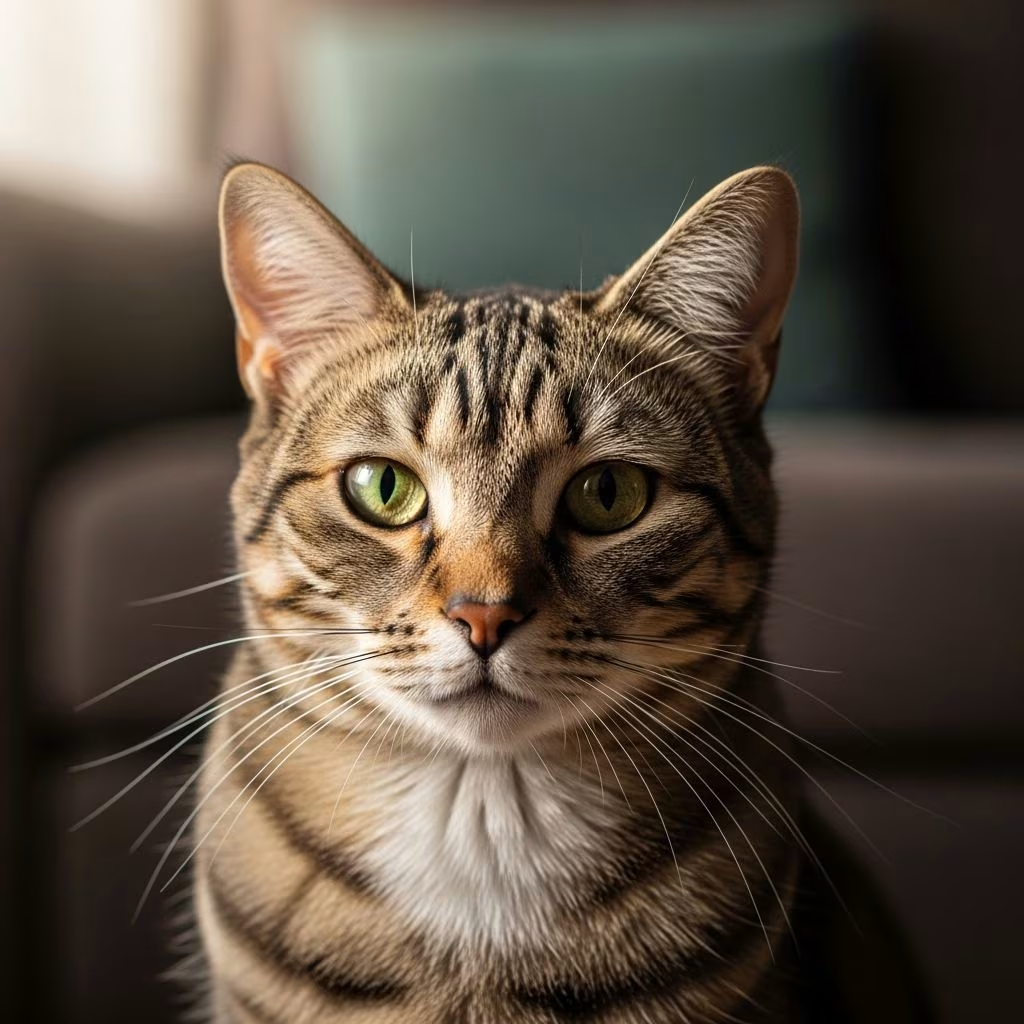
Hypertrophic cardiomyopathy (HCM) represents the most prevalent heart condition in domestic cats, characterized by abnormal thickening of the heart muscle, particularly in the left ventricle. This thickening impairs the heart’s ability to pump blood efficiently, potentially leading to heart failure or sudden complications. Survival duration varies widely, from several symptom-free years to mere months in advanced stages, influenced by early detection, treatment adherence, and individual factors like age and breed.
Understanding the Mechanics of Feline HCM
In cats with HCM, the walls of the left ventricle thicken excessively, reducing the chamber’s capacity to fill with blood during relaxation. This structural change, known as hypertrophy, disrupts normal cardiac function and can elevate pressures within the heart, fostering fluid accumulation in the lungs or abdomen. While the precise causes remain multifactorial—genetic predispositions in breeds like Maine Coons and Ragdolls play a role—many cases arise sporadically without clear triggers.
The disease progresses silently in early phases, with many cats showing no outward signs despite significant internal changes. Over time, the thickened muscle stiffens, hindering diastolic filling and systolic ejection, which heightens risks for arrhythmias, thromboembolism, and congestive heart failure (CHF). Recent advancements, such as the FDA’s conditional approval of sirolimus (Felycin-CA1) in 2025 for subclinical cases, mark progress in slowing hypertrophy before symptoms emerge.
Recognizing Early Warning Signs
Detecting HCM early hinges on owners noticing subtle behavioral shifts. Common indicators include lethargy, reduced activity tolerance, and rapid fatigue during play. Respiratory distress manifests as open-mouth breathing, coughing, or audible wheezing from pulmonary edema. Cats may exhibit pale, blue-tinged, or gray gums signaling poor oxygenation, alongside weak pulses and cold extremities from circulatory deficits.
- Neurological signs: Fainting, disorientation, or sudden vocalization due to blood clots lodging in arteries (feline aortic thromboembolism, FATE).
- Abdominal distension: Fluid buildup (ascites) creating a swollen belly.
- Unsteady gait: Painful dragging of hind limbs from saddle thrombus.
- Sudden collapse: Risk of unexpected cardiac arrest, even in seemingly healthy cats.
These symptoms often appear abruptly in advanced disease, underscoring the need for routine veterinary screening in at-risk populations.
Diagnostic Approaches for Accurate Assessment
Veterinarians employ a multi-modal strategy to confirm HCM. Initial physical exams focus on auscultation for heart murmurs, gallop rhythms, or irregular beats, paired with thoracic auscultation for lung crackles. Peripheral checks include pulse strength, gum color, and limb temperature.
Echocardiography stands as the gold standard, visualizing ventricular wall thickness exceeding 6mm, left atrial enlargement, and dynamic obstructions like systolic anterior motion (SAM) of the mitral valve. Electrocardiography detects arrhythmias, while chest radiographs reveal cardiomegaly, pulmonary edema, or pleural effusion. Bloodwork assesses kidney function, electrolytes, and biomarkers like NT-proBNP for heart stress.
| Diagnostic Tool | Purpose | Key Findings in HCM |
|---|---|---|
| Echocardiogram | Visualize heart structure | Wall thickness >6mm, LA enlargement |
| ECG | Assess rhythms | Arrhythmias, tachycardia |
| Radiographs | Evaluate lungs/heart size | Edema, effusion |
| NT-proBNP | Measure cardiac stress | Elevated levels indicate failure |
Comprehensive Treatment Strategies
No cure exists for HCM, but targeted therapies manage symptoms, prevent complications, and prolong life. Asymptomatic cats may receive prophylactic drugs like clopidogrel (18.75mg daily) to mitigate thromboembolism risk, especially with left atrial dilation. Beta-blockers such as atenolol control tachycardia and SAM, while diltiazem relaxes ventricular walls.
For CHF, diuretics like furosemide (1-2mg/kg) eliminate excess fluid, often combined with ACE inhibitors (benazepril, enalapril) for vasodilation and pimobendan to enhance contractility. Blood thinners including aspirin or warfarin serve as alternatives, though clopidogrel proves superior in trials. Severe cases demand hospitalization for oxygen, thoracocentesis, or sedation to reduce stress.
Emerging option Felycin-CA1 (sirolimus) targets hypertrophy in preclinical HCM, offering hope for disease modification per FDA approval. Nutritional support with low-sodium diets, omega-3 supplements, and appetite stimulants combats cachexia.
Factors Shaping Survival Prognosis
Survival spans months to over a decade, averaging 2-5 years post-diagnosis in symptomatic cats, with many preclinical cases living normally. Key influencers include:
- Disease severity: Mild hypertrophy permits indefinite asymptomatic life; severe cases accelerate to CHF within 1-3 years.
- Complications: FATE halves survival odds; recurrent clots worsen outlook.
- Response to therapy: Early intervention extends median survival to 4+ years versus 6-12 months untreated.
- Age at onset: Younger cats (<5 years) face graver long-term risks.
- Breed genetics: Purebreds with mutations (e.g., Maine Coon MYBPC3) progress faster.
Studies indicate 70-80% of diagnosed cats survive beyond one year with management, though sudden death claims 10-20% unexpectedly.
Lifestyle Adjustments for Optimal Management
Minimize stress through indoor living, pheromone diffusers, and routine to avert tachycardia spikes. Obesity control via portioned, cardiac-friendly kibble prevents added cardiac strain. Regular monitoring—every 3-6 months with echoes—tracks progression.
Avoid high-heat environments and vigorous play; gentle interactions suffice. Monitor respiratory rate at home (<30 breaths/min resting) as an early CHF sentinel. Vaccinations and parasite prevention maintain overall health without overburdening the heart.
Genetic Insights and Screening Protocols
HCM harbors hereditary components, notably mutations in sarcomere genes. Breeds like Maine Coons, Ragdolls, and Sphynx benefit from DNA testing via cheek swabs, identifying carriers for breeding exclusion. While not all cases are genetic, screening at-risk cats from 1 year old aids early intervention.
Owners of purebreds should request parental HCM status from breeders, prioritizing clear lines.
FAQs on Feline HCM
Can HCM be prevented in cats?
No guaranteed prevention exists, but genetic screening in breeds and routine senior wellness checks (annual echoes post-7 years) enable early management.
Is HCM painful for cats?
Typically not until complications like clots cause acute pain; ongoing discomfort from CHF is mitigated by medications.
What diet suits HCM cats?
Low-sodium, high-omega-3 formulas promote cardiac health; consult vets for prescription options.
How often should HCM cats see a vet?
Preclinical: 6-12 months; symptomatic: 1-3 months, or sooner if symptoms worsen.
Does HCM shorten a cat’s life inevitably?
Not always—many live full lifespans (12-18 years) with vigilant care.
Navigating End-of-Life Decisions
When quality of life declines—persistent dyspnea, anorexia, or thromboembolism—euthanasia offers humane closure. Tools like the Feline Grimace Scale and owner quality assessments guide choices. Discuss palliative escalations versus comfort care with cardiologists.
References
- Feline Hypertrophic Cardiomyopathy (HCM) in Cats — PetMD. Accessed 2026. https://www.petmd.com/cat/conditions/cardiovascular/feline-hypertrophic-cardiomyopathy-hcm-cats
- Hypertrophic Cardiomyopathy in Cats (HCM) — VetSpecialists.com. 2020-04-29. https://www.vetspecialists.com/vet-blog-landing/animal-health-articles/2020/04/29/hypertrophic-cardiomyopathy-in-cats
- Cardiology: Feline Hypertrophic Cardiomyopathy — NC State Veterinary Hospital (hospital.cvm.ncsu.edu). Accessed 2026. https://hospital.cvm.ncsu.edu/services/small-animals/cardiology/cardiology-feline-hypertrophic-cardiomyopathy/
- Caring for cats with cardiomyopathies — dvm360.com. Accessed 2026. https://www.dvm360.com/view/caring-cats-with-cardiomyopathies
- Hypertrophic Cardiomyopathy in Dogs and Cats — Merck Veterinary Manual (merckvetmanual.com). Accessed 2026. https://www.merckvetmanual.com/circulatory-system/cardiomyopathy-in-dogs-and-cats/hypertrophic-cardiomyopathy-in-dogs-and-cats
- FDA Conditionally Approves Drug for Heart Disease in Cats — U.S. Food and Drug Administration (fda.gov). 2025-03-14. https://www.fda.gov/animal-veterinary/cvm-updates/fda-conditionally-approves-drug-management-ventricular-hypertrophy-cats



