

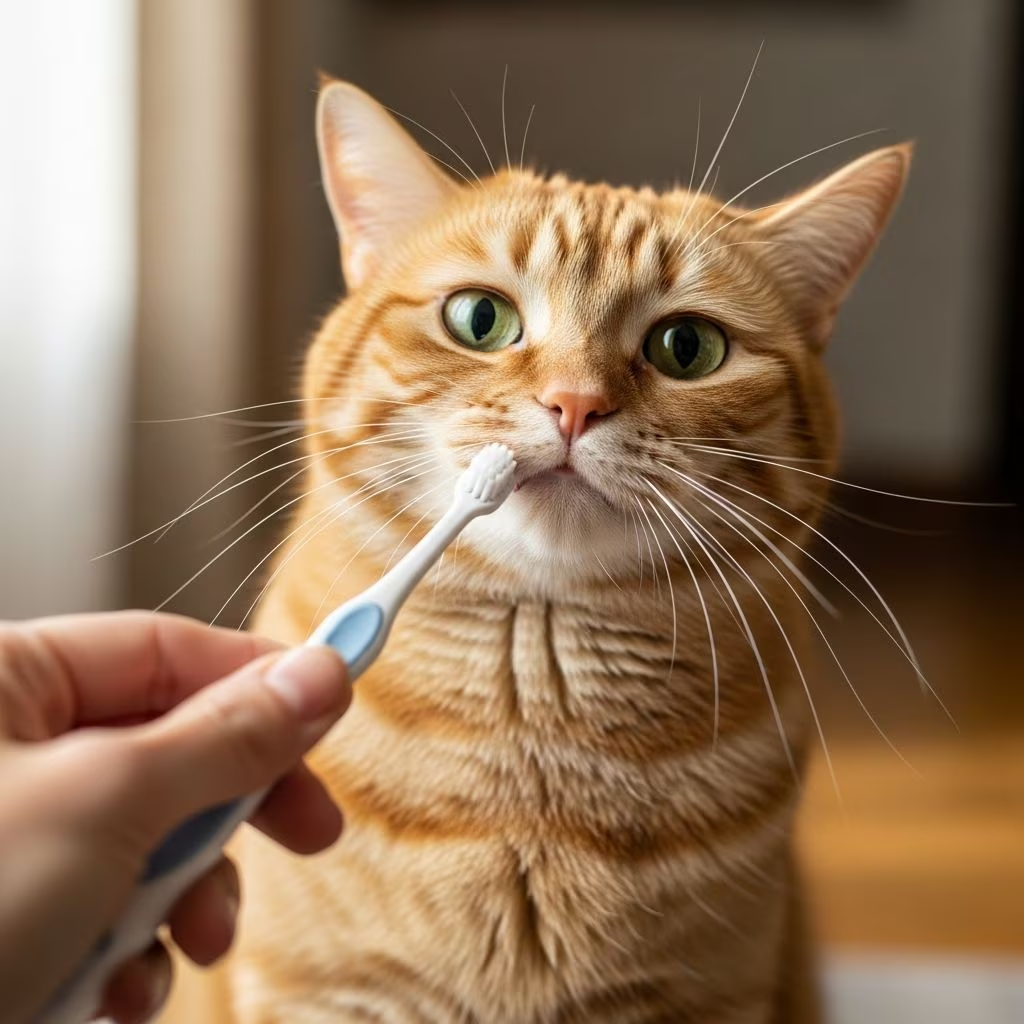
Brushing your cat’s teeth is one of the most effective ways to maintain their oral health, yet many cats strongly resist it. Dental disease affects up to 70% of cats by age three, leading to plaque buildup, tartar, gingivitis, and even systemic issues like heart and kidney problems. Regular brushing removes plaque before it hardens into tartar, reducing the risk of gum disease, tooth decay, bad breath, and painful infections. Despite these benefits, introducing brushing can be challenging. This guide covers why it’s essential and provides 9 practical tips to help your cat tolerate—and even enjoy—the process.
Why Brushing Your Cat’s Teeth Matters
Routine dental care, including at-home brushing, offers significant health advantages. Brushing at least three times a week prevents plaque mineralization into tartar, which causes periodontal disease in 50-80% of cats over four years old. Tartar harbors bacteria that inflame gums, leading to halitosis and infections that can enter the bloodstream, affecting the heart, liver, and kidneys. Professional cleanings under anesthesia remove deep tartar, but daily or frequent brushing extends these benefits, potentially saving on costly treatments and improving your cat’s quality of life. Cats with poor oral health may show subtle signs like weight loss or reduced activity due to pain. Starting young is ideal, but older cats can adapt with patience.
Tip 1: Start Slow with Positive Associations
Begin by simply touching your cat’s mouth without a toothbrush. Offer treats or praise during sessions to create positive links. Gradually progress over days or weeks: lift lips, touch gums, then introduce a finger wrapped in gauze. This desensitization prevents resistance. Use high-value rewards like tuna or chicken to reinforce calm behavior. Sessions should last 30 seconds initially, building tolerance gradually.
Tip 2: Choose the Right Tools and Toothpaste
Use cat-specific toothpaste flavored with poultry or fish—never human toothpaste, which contains toxic xylitol. Options include enzymatic gels that break down plaque without brushing. Select soft finger brushes, dual-ended toothbrushes, or gauze-wrapped fingers for gentle application. The Veterinary Oral Health Council (VOHC) approves products proven effective against plaque and tartar. Start with gels for easier acceptance.
Tip 3: Pick the Best Time and Environment
Brush when your cat is relaxed, like after a meal or playtime, in a quiet room. Avoid forcing during high energy. Wrap feisty cats in a towel ‘burrito’ for security, exposing only the head. Consistency in timing helps establish routine.
Tip 4: Use a Systematic Brushing Technique
Focus on outer surfaces of back molars and canines, where plaque accumulates most. Angle the brush at 45 degrees to the gumline, using gentle circular motions. Lift lips without prying jaws. Brush for 30-60 seconds total, prioritizing problem areas. Rinse the brush between teeth to avoid spreading bacteria.
- Back teeth first: Highest tartar risk.
- Short sessions: Build to daily.
- Gentle pressure: Avoid discomfort.
Tip 5: Make It a Game with Rewards
Turn brushing into playtime. Use clicker training: click for tolerance, followed by treats. Incorporate toys or massages post-brushing. Rotate rewards to maintain interest. Positive reinforcement makes cats associate brushing with fun, reducing stress over time.
Tip 6: Incorporate Dental Treats and Chews
Supplement brushing with VOHC-approved dental treats, chews, or water additives that reduce plaque mechanically or enzymatically. These provide brushing alternatives on off days, supporting oral health. Examples include textured kibble or treats that scrape tartar as cats chew.
Tip 7: Monitor Progress and Signs of Issues
Track brushing sessions and watch for red gums, drooling, pawing at mouth, or bad breath—early periodontal signs. Annual vet dental exams with radiographs detect hidden issues, as over 40% of problems are invisible without imaging. Adjust techniques if resistance persists.
| Sign | Possible Issue | Action |
|---|---|---|
| Bad breath | Plaque buildup | Increase brushing frequency |
| Red/swollen gums | Gingivitis | Vet check + antibiotics if needed |
| Weight loss | Dental pain | Professional cleaning |
| Tooth loss | Advanced disease | Extractions under anesthesia |
Tip 8: Be Patient with Adult or Senior Cats
Older cats may have existing dental pain, making brushing harder. Start with vet evaluation and pain relief if needed. Use softer tools and shorter sessions. Even partial brushing helps prevent progression. Persistence pays off for long-term health.
Tip 9: Combine with Professional Care
Brushing complements vet cleanings every 6-12 months. Under anesthesia, vets scale, polish, and extract if necessary, addressing subgingival tartar brushing misses. Home care minimizes cleaning frequency and costs.
Frequently Asked Questions
How often should I brush my cat’s teeth?
Daily is ideal, but 3 times weekly minimum prevents plaque. Consistency is key.
What if my cat still hates brushing?
Try alternatives like dental rinses, wipes, or chews. Consult your vet for tailored advice.
Can I use human toothpaste on cats?
No—it’s toxic due to fluoride and xylitol. Always use pet-safe enzymatic formulas.
Does dental disease affect cats’ overall health?
Yes, bacteria can cause heart, kidney, and liver issues. Prevention extends life.
When to seek vet dental care?
At signs of disease or annually. Radiographs reveal hidden problems.
Implementing these tips can transform teeth brushing from a battle into a bonding routine. Your cat’s fresh breath and healthy smile will thank you, while preventing costly diseases. Start small today for lasting benefits.
References
- 4 Health Benefits of Routine Dental Care for Your Cat — The Animal Doctors. 2023-05-15. https://theanimaldoctors.net/dental-care/4-health-benefits-routine-dental-care-your-cat
- The Importance of Brushing Your Dog’s and Cat’s Teeth — Tribeca Vet Dentistry. 2024-02-10. https://www.tribecavetdentistry.com/post/the-importance-of-brushing-your-dog-s-and-cat-s-teeth-a-guide-to-keeping-your-pets-smiles-healthy
- Cat Dental Cleaning: Why It’s Crucial for Your Feline’s Health — Houston Pet Dentals. 2024-08-20. https://houstonpetdentals.com/blog/cat-dental-cleaning-benefits/
- How to Brush Your Cat’s Teeth — Dupont Veterinary Clinic. 2023-11-05. https://dupontvetclinic.com/how-to-brush-your-cats-teeth/
- Brushing Your Cat’s Teeth — VCA Animal Hospitals. 2025-01-10. https://vcahospitals.com/know-your-pet/brushing-teeth-in-cats
- Do Vets Recommend Brushing Cats Teeth? — Parker Animal Care. 2024-03-22. https://www.parkeranimalcare.com/do-vets-really-recommend-brushing-cats-teeth-the-answer-is-a-resounding-yes/



