

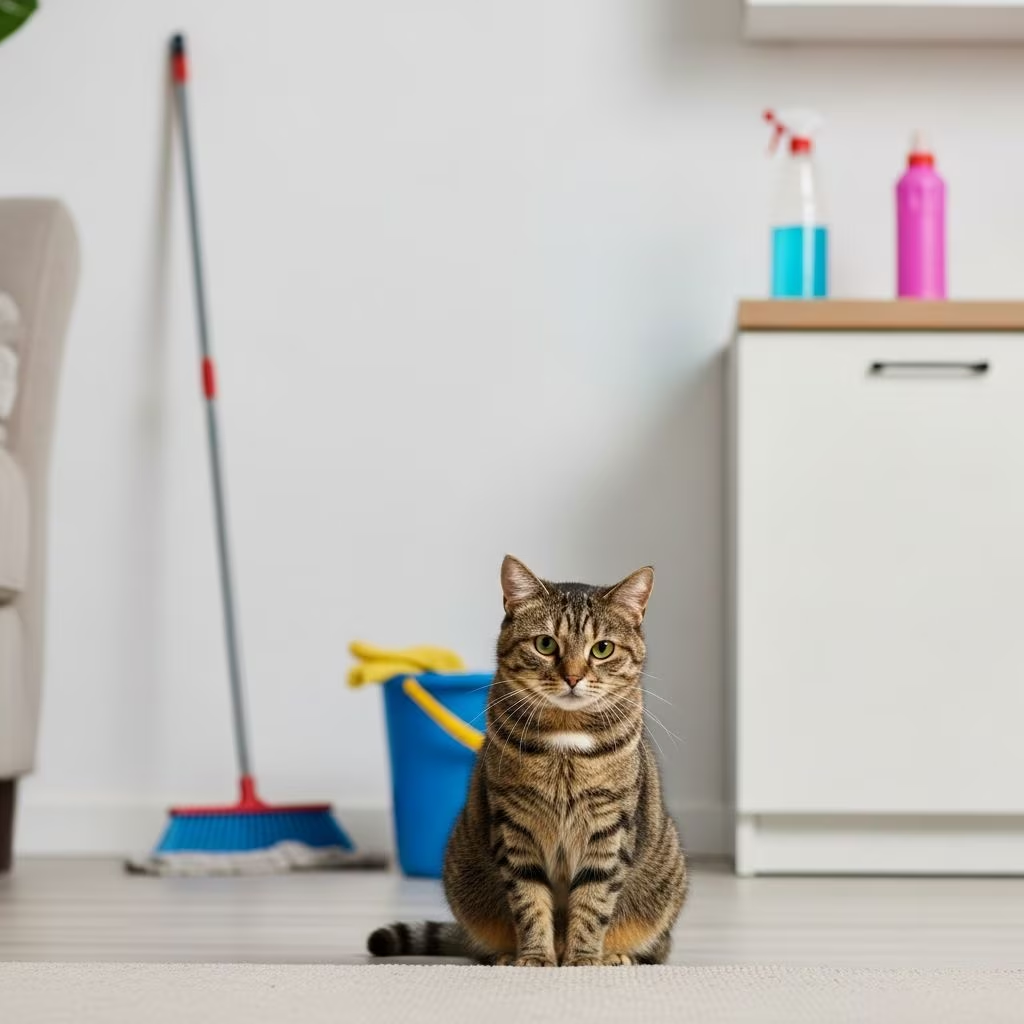
Discovering that your cat has worms can be distressing, but with prompt action, you can treat your pet and thoroughly clean your home to prevent reinfection. Worms like roundworms, tapeworms, and hookworms shed eggs through feces, which can contaminate surfaces, bedding, and litter boxes. This comprehensive, vet-approved guide outlines every step to sanitize your living space effectively, ensuring your cat’s recovery and your household’s safety. Proper cleaning reduces the risk of reinfestation for your cat and protects other pets or family members from potential zoonotic risks.
Before starting, consult your veterinarian for appropriate deworming medication tailored to the worm type identified via fecal exam. Common treatments include oral dewormers that target both adult worms and larvae. While treating your cat, daily cleaning becomes crucial as eggs are hardy and can survive weeks or months in the environment. Wear disposable gloves, masks, and protective clothing during cleanup to avoid direct contact with contaminants.
1. Understanding Why Cleaning Is Crucial
Cleaning your home is as vital as deworming your cat because worm eggs are microscopic and resilient. Roundworm eggs, for instance, can remain viable in soil or carpets for months, while tapeworm segments carrying eggs spread via fleas or feces. If not addressed, your cat can quickly reinfect itself by grooming contaminated fur or walking through soiled areas. Environmental contamination also poses risks to other pets and, rarely, humans—especially children who might ingest eggs accidentally.
Start by isolating the infected cat if you have multiple pets, providing a separate litter box and sleeping area. Regular flea control is essential too, as fleas transmit tapeworms when cats ingest them during grooming. Commit to a thorough, multi-day cleaning regimen followed by ongoing maintenance to break the parasite lifecycle completely.
2. The Litter Box Is First
The litter box is ground zero for worm eggs since they exit via feces—the primary transmission route. Deworm your cat first to eliminate the internal source, then tackle daily deep cleans. Scoop waste multiple times daily, especially after poops, to prevent tracking.
- Empty the entire tray contents into a sealed bag for outdoor disposal.
- Spray with a bleach disinfectant (1:10 dilution of household bleach to water) or pet-safe enzymatic cleaner to break down proteins in eggs.
- Scrub thoroughly, rinse with boiling water if possible, and air dry completely.
- Wear rubber gloves and a disposable mask; discard them immediately after.
Replace clumping litter frequently during treatment, opting for non-clumping if easier to disinfect. Enzymatic cleaners are ideal as they digest organic matter, outperforming standard soaps. Clean the surrounding area daily to catch any tracked litter.
3. Clean Up the Accidents
Worms often cause diarrhea, vomiting, or scooting, leading to messy accidents laden with eggs or visible segments. Immediate cleanup is non-negotiable to halt spread. Vigilance peaks during treatment when symptoms may temporarily worsen.
Always use paper towels or disposable wipes for initial pickup—never bare hands. Double-bag waste and dispose outside. Follow with targeted disinfectants based on surface type. In vomit, you might spot wriggling roundworms or rice-like tapeworm pieces, confirming the need for urgent action.
4. Clean Hard Floors
Hard floors like tile, vinyl, or hardwood are common accident sites and easy egg-transfer zones from paws or fur. Act swiftly to minimize absorption.
- Wipe up solids/liquids with paper towels.
- Mop with boiling water mixed with dish detergent.
- Apply bleach solution (1 cup bleach per gallon water) or enzymatic spray; let sit 10 minutes.
- Rinse and dry completely to prevent residue.
For sealed hardwood, test disinfectants in inconspicuous spots to avoid damage. Repeat daily in high-traffic cat areas until symptoms resolve.
5. Clean Carpets
Carpets trap eggs deeply, allowing survival for weeks. Spot-treat accidents first, then deep clean.
- Blot (don’t rub) messes with paper towels.
- Sprinkle baking soda, let sit 15 minutes, vacuum thoroughly.
- Rent or use a steam cleaner with hot water (above 140°F) to kill eggs via heat.
- Follow with carpet-safe enzymatic cleaner per label instructions; repeat 2-3 times.
Vacuum daily with a HEPA-filter bag, disposing of contents immediately. Professional cleaning may be warranted for heavy infestations.
6. Clean All Hard Surfaces
Worm eggs cling to your cat’s fur, transferring to counters, tables, doorknobs, and shelves. A full wipe-down targets these sneaky contaminants.
Use microfiber cloths soaked in hot soapy water or disinfectant sprays safe for the surface. Focus on cat-frequented zones like windowsills, furniture arms, and appliance tops. For electronics or delicate items, use compressed air followed by alcohol wipes (70% isopropyl).
- Detergent + boiling water for general use.
- Bleach spray for non-porous surfaces.
- Enzymatic cleaners for pet-safe efficacy.
This step, though tedious, prevents oral ingestion by humans or pets licking paws.
7. Clean The Bedding
Bedding harbors eggs from sleeping and grooming. Whether your cat’s bed, blankets, or your sheets, hot washing kills most.
- Machine wash in hottest cycle (at least 140°F/60°C) for 60+ minutes with pet-safe detergent.
- Dry on high heat to ensure egg death.
- For non-washables like cat trees or cushions, steam clean crevices.
- Spray plastic/rigid beds with disinfectant; rinse well.
Check labels to avoid shrinkage or damage. Tumble-dry stuffed toys similarly. Repeat weekly during treatment.
8. Clean Those Carpets Again
Carpets demand repetition as eggs burrow and hatch over time. Initial spot-cleaning isn’t enough; full deep cleans every 3-5 days are key.
Vacuum daily (edges, under furniture), then steam weekly. Heat penetrates fibers, destroying eggs that chemicals might miss. Some worms persist for months untreated, perpetuating cycles. Maintain until two follow-up fecal tests confirm clearance.
9. Clean Everything Else
Address toys, furniture, curtains, and fabrics next. Eggs lurk in overlooked spots.
- Wash machine-safe items (toys, throws) hot.
- Steam or wipe furniture crevices/corners.
- Disinfect brushes/combs; discard porous ones.
- Launder pet towels daily.
Prompt feces removal from yard/outdoor areas prevents outdoor reinfection. For multi-pet homes, quarantine and treat all.
Prevention Tips to Avoid Future Infestations
Post-cleanup, sustain hygiene: monthly deworming for hunters/outdoor cats, quarterly for indoors; year-round flea prevention; daily litter scooping. Keep cats indoors to minimize soil/feces exposure. Regular vet checkups with fecal exams catch issues early.
| Worm Type | Transmission | Cleaning Focus |
|---|---|---|
| Roundworms | Feces, soil | Litter, floors, yard |
| Tapeworms | Fleas, feces | Flea control, bedding |
| Hookworms | Skin penetration via feces | Carpets, hard surfaces |
Frequently Asked Questions (FAQs)
Can cat worms spread to humans?
Yes, roundworms pose a zoonotic risk, especially to children via accidental ingestion of eggs from contaminated soil or litter. Good hygiene minimizes this.
How long do worm eggs survive in the house?
Up to months on carpets or in soil; heat and disinfectants reduce viability quickly.
Do I need to treat all my pets?
If sharing spaces, yes—consult vet for fecal tests and preventives.
Is bleach safe around cats?
Diluted and rinsed yes, but ventilate well and keep cats away until dry.
How often should I deworm my cat?
Kittens every 2 weeks until 6 months; adults every 3 months or as vet advises.
References
- Intestinal Parasites in Cats — Companion Animal Parasite Council. 2024-01-15. https://capcvet.org/guidelines/intestinal-parasites-cats
- Worms in Cats: Causes, Symptoms, and Treatment — Cornell University College of Veterinary Medicine. 2023-11-20. https://www.vet.cornell.edu/departments-centers-and-institutes/cornell-feline-health-center/health-information/feline-health-topics/worms-cats
- Common Intestinal Worms in Cats — Merck Veterinary Manual. 2025-05-10. https://www.merckvetmanual.com/cat-owners/disorders-affecting-multiple-body-systems-of-cats/intestinal-parasites-worms-in-cats
- Flea and Tick Control for Cats — FDA Center for Veterinary Medicine. 2024-08-05. https://www.fda.gov/animal-veterinary/safety-health/flea-and-tick-products-cats
- Zoonotic Diseases from Pets — CDC National Center for Emerging and Zoonotic Infectious Diseases. 2025-02-12. https://www.cdc.gov/healthypets/pets/cats.html



