

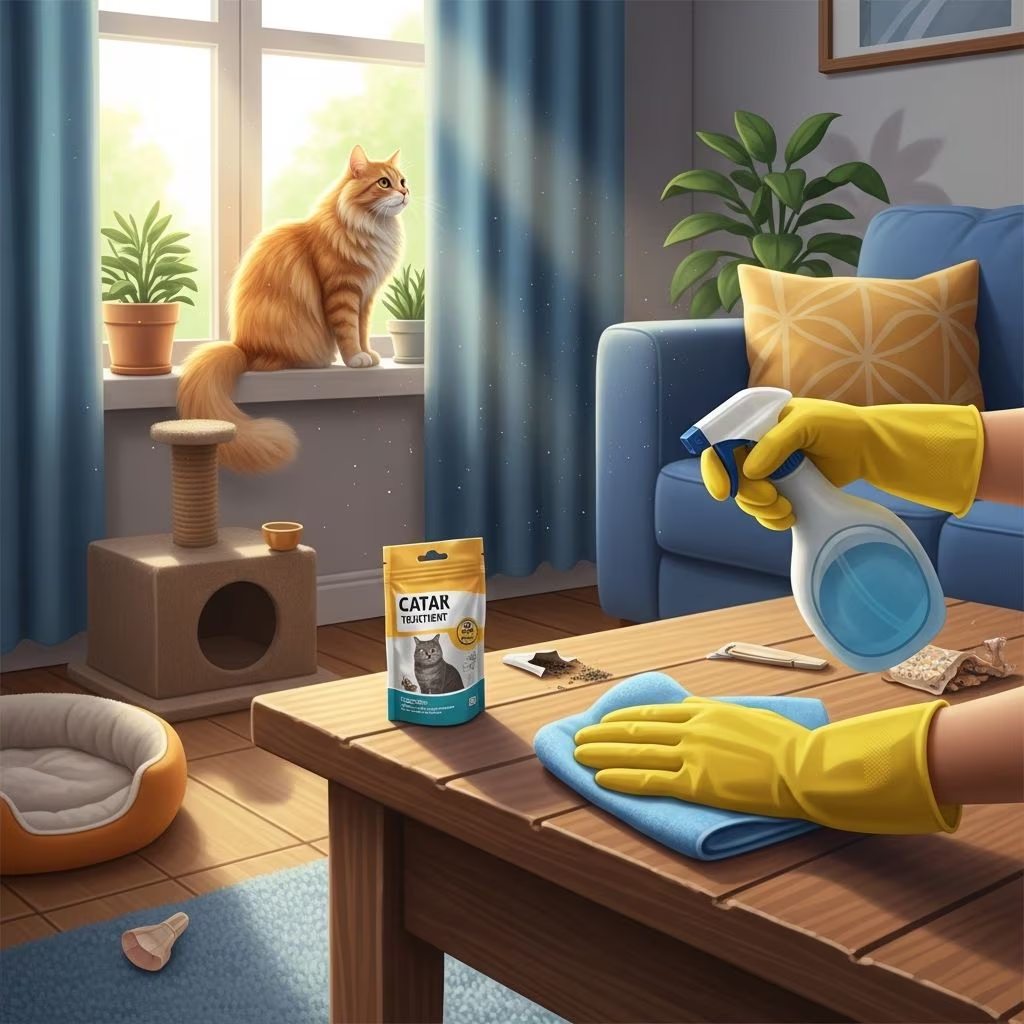
How to Clean Your House When Your Cat Has Fleas
Discovering that your cat has fleas can be stressful, but the good news is that with a systematic approach and consistent effort, you can eliminate these persistent parasites from both your pet and your home. The key to successful flea control is understanding that fleas have a complex life cycle with multiple stages—eggs, larvae, pupae, and adults—and your cleaning strategy must address all of them. A well-planned, carefully executed treatment program combined with thorough household cleaning will provide good control and prevent reinfestation.
Step 1: Treat Your Cat First
Before you begin cleaning your house, the most critical first step is to treat your cat against fleas. Even if you successfully eliminate every flea from your home, if your cat still has fleas, they will continue to infest your living spaces and lay new eggs, making your cleaning efforts futile. Work with your veterinarian to select an appropriate flea treatment for your cat. Once your cat is being treated, you can proceed with confidence that you’re addressing the source of the problem while simultaneously tackling the household infestation.
Step 2: Vacuum Thoroughly and Frequently
Vacuuming is one of the most effective methods for controlling flea infestations in your home. According to pest control experts, vacuuming can remove up to 30 percent of flea larvae and up to 60 percent of flea eggs from carpets, along with the larvae’s food supply of dried blood. The U.S. Environmental Protection Agency recommends vacuuming every day to remove eggs, larvae, and adults—making it the best method for initial control of a flea infestation.
When vacuuming, don’t just focus on visible areas. Fleas prefer dark, damp locations and hide in cracks and tight spaces where they feel protected. Pay special attention to:
- All carpets and rugs
- Under and around furniture, especially where your cat sleeps or rests
- Cushioned furniture and under seat cushions
- Cracks and crevices in floorboards
- Along baseboards and edges where walls meet floors
- Under beds and other low spaces
- The basement and any other dark areas
Use a vacuum with a bag attachment when possible, as this allows you to safely dispose of the contents without direct contact with fleas. After each vacuuming session, immediately remove the vacuum bag, seal it in a plastic garbage bag, and discard it. This is crucial because fleas can continue to develop inside vacuum bags and re-infest your home if left inside the machine.
Step 3: Wash All Bedding in Hot Water
Fleas, their eggs, and larvae cannot survive a proper hot water wash. The high temperature kills all life stages of the flea. Wash all bedding in your home in hot, soapy water at least once a week, then dry it at the highest heat setting possible. This includes:
- Your cat’s bedding and blankets
- Your own bed sheets and blankets
- Any pet throws or cushion covers
- Family bedding on which your pet lies
- Any other washable fabric where your cat spends time
If you’re dealing with a severe infestation, you might consider discarding old bedding and replacing it with brand-new material rather than trying to salvage it. This can be a more practical solution when dealing with heavily infested fabrics. For bedding that cannot be washed, use a steam cleaner as an alternative treatment method.
Step 4: Use a Steam Cleaner on Carpets and Upholstery
Steam cleaning is an excellent supplementary treatment for areas that cannot be easily washed. The combination of high heat and soap kills fleas in all stages of life—eggs, larvae, pupae, and adults. Steam cleaning is particularly effective because it penetrates deep into carpet fibers and upholstery where flea eggs and larvae hide.
Steam clean your carpets and any pet beds that cannot be thrown in the washing machine. Pay extra attention to areas where your pet usually lies down, as these are prime breeding grounds for fleas. If you don’t own a steam cleaner, many hardware stores rent them affordably, making this an accessible option for most households.
Step 5: Apply Chemical Treatments
For moderate to severe infestations, chemical treatments are often necessary. The best flea sprays contain insect growth regulators (IGRs) such as methoprene or pyriproxyfen in addition to an adulticide like permethrin. IGRs are particularly important because they prevent flea eggs and larvae from developing into adults, breaking the reproduction cycle.
When applying chemical treatments:
- Ensure all people and pets are out of the house during application
- Wear protective gloves while spraying
- Focus on cracks and crevices, under furniture, along edges where walls meet floors, and around pet bedding areas
- Avoid fan spraying or broadcast spraying unless the label specifically permits it
- Wait until all surfaces have dried completely before allowing people and pets back into your home
For those preferring herbal alternatives, herbal flea sprays can be used as an initial treatment, though they may be less effective for severe infestations. If herbal treatments don’t resolve the problem after a few applications, switching to chemical treatments is recommended.
Step 6: Address Hidden Hotspots
Fleas love the in-between zones where they can hide and multiply undisturbed. These areas often get overlooked during routine cleaning. Check and clean:
- Behind the refrigerator
- Inside radiators
- Cracks around door frames
- Inside wardrobes where your cat likes to sleep
- Under and behind baseboards
- Inside closets
- Any dark, undisturbed areas in your home
Move furniture away from walls and vacuum underneath. These hidden areas are where flea larvae often congregate because they provide the dark, damp environment they prefer.
Understanding the Flea Life Cycle for Better Control
Understanding where fleas hide helps you clean more effectively. Flea larvae are usually found under furniture and in pet bedding. Adult fleas prefer living hosts but can survive for several days in unexpected areas, including litter boxes. Flea eggs can survive the 1 to 10 days it takes them to hatch in the humid environment of cat litter. This is why comprehensive cleaning of all areas is essential, not just the obvious pet spaces.
The Importance of Repeat Treatments
One application is rarely enough to completely eliminate a flea infestation. Flea control experts recommend repeating your cleaning and treatment regimen every 14 days for at least two or three cycles. This approach ensures you eliminate new adults that emerge from previously laid eggs. The timeline allows you to:
- Treat your pet with on-pet flea treatment
- Thoroughly vacuum all areas
- Wash all bedding
- Apply chemical treatments if needed
- Repeat the entire process in 14 days
- Repeat once more in 14 additional days if fleas are still present
After the initial intensive treatment phase, maintain control by cleaning pet bedding areas weekly and regularly using on-pet flea treatments as directed by your veterinarian.
Preventing Fleas from Returning
Once you’ve successfully eliminated fleas from your home, prevention is crucial to avoid future infestations. If your cat spends time outdoors, treat your yard for fleas as well. Outdoor prevention strategies include:
- Mowing your lawn regularly
- Removing debris and leaf litter
- Spreading cedar chips in areas where your cat likes to hang out
- Considering beneficial nematodes, which are small worms that feed on parasite eggs
- Planting flea-repelling plants such as pennyroyal, chrysanthemum, lavender, or spearmint
Indoors, continue with your regular maintenance routine: vacuum frequently, monitor your cat regularly for any signs of fleas or flea dirt, and treat immediately if you spot anything suspicious. Maintain weekly cleaning of pet bedding areas and continue your cat’s regular flea prevention treatment as recommended by your veterinarian.
Creating a Flea-Free Living Environment
The key to maintaining a flea-free home is being proactive and consistent. If you have multiple pets, ensure all of them receive appropriate flea treatment. Don’t allow flea-ridden pets from other households near your cat or in your home. Keep your home clean on an ongoing basis even after the infestation is resolved, as this helps prevent future problems.
Designating special areas for your pet to sleep, rest, and spend most of their time can help you concentrate your frequent cleaning efforts on these priority zones. If your cat is allowed on furniture, remember that immature fleas will occur under seat cushions and in other cracks and crevices within the furniture, so these areas need regular vacuuming.
Frequently Asked Questions About House Cleaning for Fleas
Q: How often should I vacuum when treating for fleas?
A: For active infestations, vacuum every day. This is the most effective initial control method and removes eggs, larvae, and adults. After treatment is complete, continue vacuuming at least weekly as a preventive measure.
Q: Can fleas live in my vacuum cleaner?
A: Yes, fleas can continue to develop inside vacuum bags and re-infest your home. Always remove and seal the vacuum bag in a plastic garbage bag immediately after each use, and discard it at least once a week.
Q: What water temperature is needed to kill fleas in bedding?
A: Fleas, eggs, and larvae cannot survive a proper 60°C (approximately 140°F) hot water wash. This is why washing bedding in hot, soapy water is so effective. Drying at the highest heat setting afterward provides additional assurance.
Q: How long does it take to eliminate a flea infestation from a house?
A: It typically takes 14 to 28 days of consistent treatment and cleaning. You should repeat your cleaning and treatment regimen every 14 days for at least two to three cycles to eliminate fleas at all life stages that emerge from previously laid eggs.
Q: Should I discard pet bedding during a severe flea infestation?
A: For severe infestations, discarding old bedding and replacing it with fresh material is often more practical than trying to salvage heavily infested fabrics, especially if washing hasn’t resolved the problem.
Q: Can fleas hide in my cat’s litter box?
A: Yes, although adult fleas prefer living hosts, they can survive for several days in unexpected areas like litter boxes. Flea eggs can also survive in the humid environment of cat litter. Regular litter box cleaning is important during flea treatment.
References
- Controlling Fleas and Ticks Around Your Home — U.S. Environmental Protection Agency. Accessed January 2026. https://www.epa.gov/pets/controlling-fleas-and-ticks-around-your-home
- Control Fleas on Your Pet, in Your House, and in Your Yard — Mississippi State University Extension Service. https://extension.msstate.edu/publications/control-fleas-your-pet-your-house-and-your-yard
- How to Get Rid of Fleas — Texas A&M AgriLife Extension Service. https://agrilifeextension.tamu.edu/library/insects/controlling-fleas/
- How To Get Rid of Cat Fleas in the House — Whisker. https://www.whisker.com/blog/how-to-get-rid-of-cat-fleas
- How to Clean Your Home After a Flea Infestation — Itch Pet. https://www.itchpet.com/blog/post/how-to-clean-your-home-after-a-flea-infestation



