

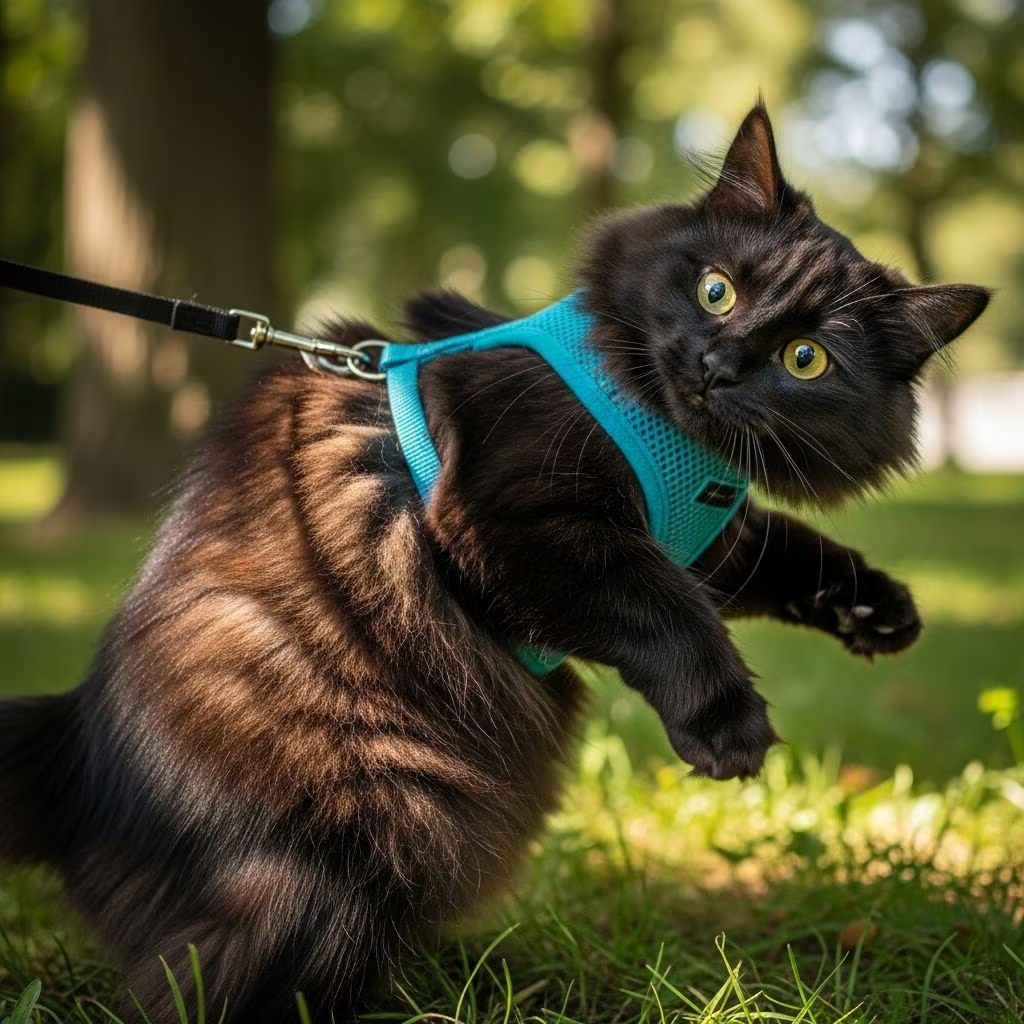
Walking cats on harnesses and leads has surged in popularity, fueled by social media trends on platforms like Instagram and TikTok. While it may seem like a fun way to give indoor cats fresh air, these tools introduce significant risks that can harm your feline friend. Cats are not like dogs; their instincts for agility, flight, and independence make harnesses problematic, often leading to stress, escapes, injuries, and conflicts. This article delves into these dangers, backed by expert insights, and offers safer alternatives to keep your cat happy and secure.
Why the Trend of Walking Cats on Harnesses?
The allure of seeing cats stroll parks or gardens in viral videos tempts many owners to try harness walking. However, unlike dogs bred for leashed walks over generations, cats retain wild instincts prioritizing speed and stealth over compliance. Sources note that leashed cats face heightened accident risks, such as traffic collisions or snags on fences, because restraints hinder their natural evasion tactics.
Cat behavior experts emphasize that forcing a cat into this unnatural activity ignores their territorial nature. Straying from safe home zones triggers anxiety, as cats thrive on control over their environment. Even tolerant cats may endure silently, masking distress that later manifests as behavioral issues.
Stress and Anxiety in Cats
Cats are inherently territorial, viewing the world beyond their home as threatening. A harness and lead amplify this by restricting movement, evoking a loss of control that spikes cortisol levels and induces chronic stress. Sudden noises—like traffic or wind—can provoke a fight-or-flight response, but the leash prevents escape, trapping them in panic.
Behavioral repercussions include aggression, hiding, or litter box avoidance. Indoor-only cats, already prone to frustration from unmet hunting urges, fare worse; leashing curbs stalking and pouncing, fostering redirected aggression toward owners or household pets. Veterinary charities warn that even brief outings deny full sensory exploration, stunting socialization in kittens and risking long-term phobias.
- Signs of stress: Pinned ears, dilated pupils, tail thrashing, vocalizing, or freezing.
- Long-term effects: Appetite loss, over-grooming leading to hairballs, or urinary issues from anxiety.
Escape Risk
No harness is foolproof against a determined cat. A scare prompts backward slipping or explosive bolts, yanking leads from hands or snapping buckles. Ill-fitted gear exacerbates this; many owners overlook proper sizing, allowing easy evasion. Escaped cats, still leashed, risk fatal entanglement in bushes, fences, or trees—cases abound of pets vanishing over fences, harness dangling.
Post-escape, panicked cats bolt for high perches or distant hides, complicating retrieval. Microchipping helps—mandatory in England since June 2024—but doesn’t prevent initial peril. Charity data highlights grip loss as common, turning walks into rescue missions.
| Risk Factor | Description | Prevention (Limited Effectiveness) |
|---|---|---|
| Ill-Fit | Cat backs out easily | Measure girth; use escape-proof designs |
| Sudden Scare | Bolt pulls lead away | Quiet areas only |
| Post-Escape | Snag on objects | Short lead; constant vigilance |
Increased Risk of Injury
Leashes compromise cats’ agility, their prime defense. Restricted, they can’t dodge cars, climb from dogs, or leap obstacles, elevating collision odds. Harness snags on fences pose hanging risks, straining necks or causing asphyxiation.
Unlike collars—choking hazards on delicate throats—harnesses distribute force but don’t eliminate pulls leading to sprains or tracheal damage. Outdoor exposures compound issues: parasites (fleas, ticks), diseases (FeLV, calicivirus), and toxins lurk. Overstimulation from novel stimuli overwhelms senses, inducing fear responses that backfire under restraint.
Conflict with Other Animals
As predators, cats stalk silently until spotted, then flee. Leashed, they can’t disengage from dogs, foxes, or birds, sparking futile fights. Park walks invite dog encounters; startled cats panic-run, dragging owners or escaping.
This thwarts natural behaviors: hunting frustration builds, mirroring indoor cat syndromes like pica or aggression. Even ‘tolerant’ cats resent curtailed defenses, eroding trust in owners holding the lead.
How to Properly Fit a Cat Harness (If You Must)
Though risks persist, fitting mitigates some issues. Select cat-specific H- or vest-style harnesses avoiding neck pressure. Measure chest girth behind front legs (snug but finger-width gap). Buckle securely; test by lifting gently—cat shouldn’t slip.
- Acclimate slowly: Indoors only, 5-10 minutes daily, rewarding calm with treats.
- Attach lead: Short, non-retractable; practice ‘stop’ cues.
- Outdoors: Fenced, quiet gardens—no dogs/parks. Supervise 100%.
- Monitor: Halt at stress signs; never force.
Training from kittenhood boosts tolerance, but many resist lifelong. Breeds like Maine Coons may adapt better due to dog-like traits, but instincts prevail.
Safer Alternatives to Harnesses and Leads
Ditch leashes for enrichment honoring cat nature:
- Catios: Enclosed patios for safe outdoor views/climbing. DIY or pre-built options abound.
- Secure Gardens: High fences (2m+), cat-proof netting, planted buffers deter escapes.
- Indoor Enrichment: Window perches, puzzle feeders, cat trees mimicking territory. Rotate toys for novelty.
- Leash-Free Training: Recall cues with laser pointers indoors, transitioning to supervised garden time.
- Tech Aids: GPS collars (non-leash), cameras for roaming monitors.
Studies affirm enriched indoors match outdoor stimulation sans risks, curbing boredom. For urban cats, catios slash escape/injury by 90% per anecdotal vet reports.
Frequently Asked Questions (FAQs)
Are cat harnesses and leads safe?
No, they pose high risks of stress, escape, and injury due to cats’ instincts. Safer alternatives exist.
Can all cats be trained to walk on a leash?
Few tolerate it well; start young in quiet spots, but never force—stress overrides training.
What if my cat escapes the harness?
Panic-run likely; microchip essential. Remove lead post-escape to avoid snags.
Is a collar better than a harness for walks?
No—choking risk higher. Harnesses safer but still inadvisable.
How can I give my indoor cat outdoor time safely?
Opt for catios, enclosed runs, or harness-free garden enclosures.
Walking cats on harnesses glamorized online overlooks biology: cats crave autonomy, not restraint. Prioritize welfare with enriching, risk-free options. Consult vets for tailored advice; a stressed cat isn’t a happy one.
References
- The Dangers of Walking Cats on Harnesses and Leads — The Cat Company. 2023-05-15. https://www.thecatcompany.co.uk/post/the-dangers-of-walking-cats-on-harnesses-and-leads
- Are cat harnesses and leads okay to use? — Woodgreen Pets Charity. 2024-08-20. https://woodgreen.org.uk/pet-advice/cat/are-cat-harnesses-and-leads-okay-to-use/
- Walking a cat on a lead – is it a good idea? — People’s Dispensary for Sick Animals (PDSA). 2024-06-10. https://www.pdsa.org.uk/what-we-do/blog/walking-a-cat-on-a-lead-is-it-a-good-idea
- The Importance of Using a Proper Cat Harness and Leash — Cat Harness Australia. 2023-11-12. https://catharnessaustralia.com.au/blogs/news/the-importance-of-using-a-proper-cat-harness-and-leash-prioritising-your-feline-friends-safety-and-comfort
- The Benefits and Risks of Taking Your Indoor Cat Outside on a Leash — Parkwood Animal Hospital. 2024-02-28. https://parkwoodanimalhospital.com/the-benefits-and-risks-of-taking-your-indoor-cat-outside-on-a-leash/



