

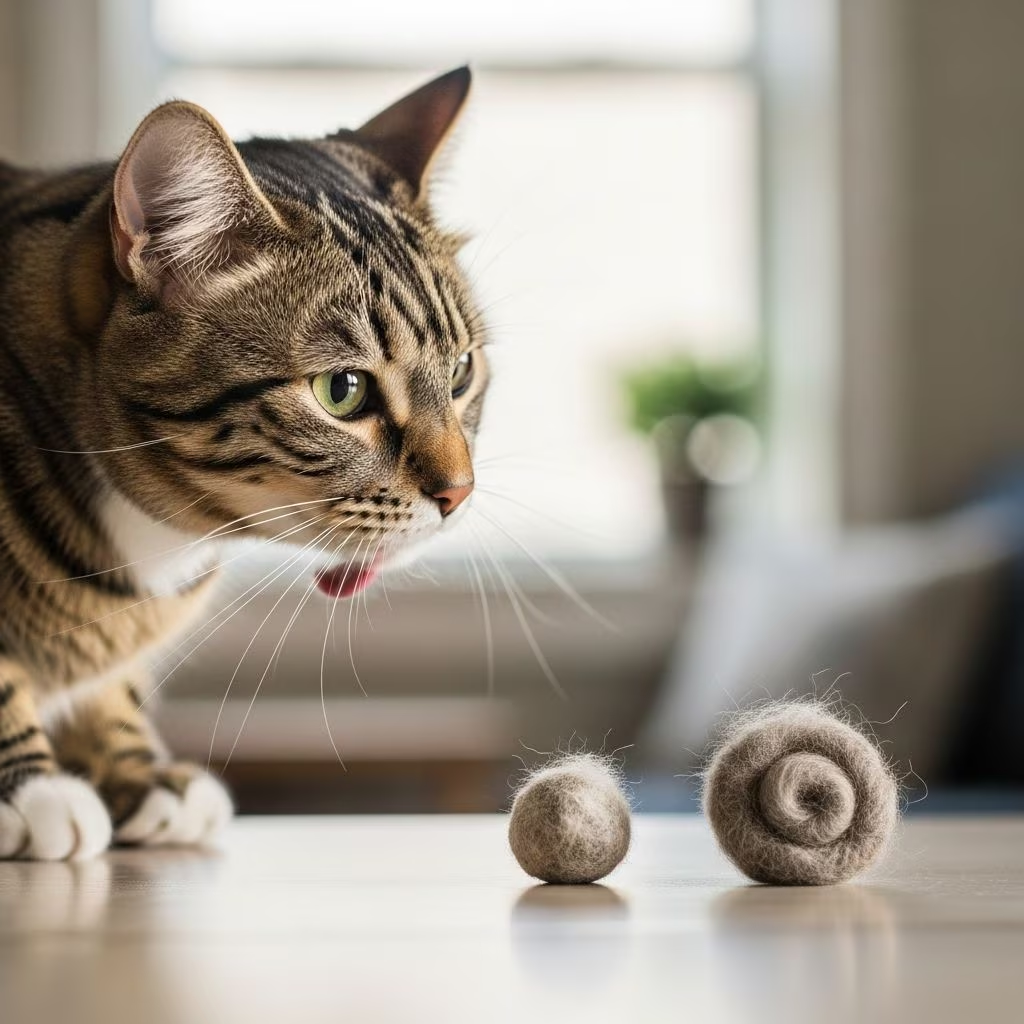
Understanding Cat Hairballs: Your Complete Guide
Cat hairballs are one of the most common concerns pet owners face when caring for their feline companions. While occasional hairballs are a normal part of a cat’s life, frequent or excessive hairballs can indicate underlying health issues or improper grooming habits. This comprehensive guide addresses the most pressing questions about cat hairballs and provides practical solutions to keep your cat healthy and comfortable.
What Exactly Are Cat Hairballs?
Hairballs, scientifically known as trichobezoars, form when cats groom themselves and swallow loose fur during the process. While most of this ingested fur passes through the digestive system without incident, some hair can accumulate in the stomach and form a ball-like mass. Eventually, cats regurgitate this hairball to expel it from their body. This is a natural physiological response, though it can be uncomfortable and concerning for pet owners to witness.
The formation of hairballs is especially common in long-haired breeds such as Persians and Maine Coons, whose dense coats shed more hair during grooming sessions. However, short-haired cats can also develop hairballs, particularly if they engage in excessive grooming due to stress, anxiety, or skin irritation.
Why Do Cats Groom Themselves Excessively?
Understanding the root cause of excessive grooming is crucial for preventing hairball formation. Cats groom themselves for several reasons, but when grooming becomes excessive, it often signals an underlying problem. Common causes include:
- Stress and anxiety from environmental changes
- Skin irritation or allergies
- Pain or discomfort from medical conditions
- Boredom from lack of mental or physical stimulation
- Parasites or dermatological issues
Addressing the root cause of excessive grooming is just as important as treating the hairballs themselves. If your cat is overgrooming, consulting with your veterinarian can help identify whether the behavior stems from a medical issue or environmental factor.
Recognizing the Signs of Hairballs
Knowing when your cat has a hairball or is at risk of developing one allows you to take preventative action. Watch for these common signs:
- Frequent vomiting or retching sounds
- Loss of appetite or decreased eating
- Lethargy and reduced activity levels
- Constipation or difficulty with bowel movements
- Visible hairballs in vomit or feces
- Persistent coughing that sounds like choking
If your cat experiences persistent vomiting, complete loss of appetite, or shows signs of intestinal blockage, seek immediate veterinary attention. These symptoms could indicate a serious medical emergency requiring professional intervention.
Preventing Hairballs: The Essential Strategies
Regular Brushing and Grooming
The most effective hairball prevention strategy is regular brushing, which removes loose fur before your cat ingests it. Brushing frequency depends on your cat’s coat type and shedding patterns. Long-haired breeds benefit from daily brushing sessions, while short-haired cats typically need brushing two to three times per week. Professional grooming services can also help remove mats, tangles, and loose fur that contribute to excessive grooming and hairball formation.
After brushing, consider using fragrance-free, hypoallergenic baby wipes or damp paper towels to remove any remaining loose fur. This additional step significantly reduces the amount of hair that ends up in your cat’s stomach.
Dietary Modifications for Hairball Control
A well-balanced diet plays a crucial role in minimizing hairball formation. Specialized hairball control cat foods contain elevated fiber levels designed to help move ingested fur through the digestive tract more efficiently. These formulas often include beneficial fatty acids that promote healthy skin and coat condition, reducing excessive shedding in the first place.
Natural fiber sources can also be incorporated into your cat’s diet. Pure canned pumpkin is an excellent addition that provides extra fiber and helps move ingested fur through the digestive system. A small amount of fish oil added to your cat’s food once weekly can support digestive health and lubricate the digestive tract, making it easier for fur to pass naturally. Fish oil also provides omega-3 fatty acids that benefit skin and coat health.
Hydration and Moisture in Diet
Proper hydration is essential for maintaining healthy digestion and preventing hairball formation. Cats that drink sufficient water have more efficient digestive processes, which helps hair pass through their system naturally. Ensure your cat has access to clean, fresh water at all times. Many cats prefer running water to still water, so consider investing in a pet water fountain to encourage increased water intake.
If your cat eats primarily dry food, their diet may not provide adequate hydration. Incorporating wet food into their diet increases overall water intake and promotes better digestive function. This dietary adjustment can significantly reduce hairball frequency in cats that consume dry kibble exclusively.
Environmental Enrichment and Stress Reduction
Boredom and stress can lead to excessive grooming, which increases hairball formation likelihood. Minimize stress by maintaining a stable environment and engaging your cat with toys, climbing structures, and regular playtime. Mental and physical stimulation keeps your cat mentally engaged and reduces anxiety-driven grooming behaviors.
Hairball Control Supplements and Gels
Over-the-counter hairball prevention products can be valuable tools in your prevention arsenal. Hairball-control gels like Laxatone contain petroleum-based ingredients that lubricate the digestive tract, allowing hair to pass more easily through your cat’s system. These gels are typically administered two to three times per week and are generally well-tolerated by cats.
Your veterinarian may also recommend specialized supplements containing fiber or other ingredients designed specifically to reduce trichobezoar formation. Always consult with your vet before introducing new supplements to ensure they’re appropriate for your cat’s individual health needs.
Managing Underlying Health Conditions
The most important prevention strategy involves working with your veterinarian to address any underlying intestinal diseases or conditions affecting gastrointestinal function. Cats prone to hairballs may have underlying digestive issues that make them more susceptible to trichobezoar formation. Additionally, skin diseases should be addressed to minimize excessive hair ingestion caused by itching or irritation.
Regular veterinary checkups allow your vet to monitor your cat’s health, identify potential risk factors, and recommend preventative measures tailored to your cat’s specific needs.
Treatment Options When Prevention Isn’t Enough
Despite your best prevention efforts, some cats still develop hairballs. When this occurs, several treatment options are available. Your veterinarian may recommend continued use of hairball-control gels, high-fiber supplements, or switching to a specialized hairball control diet formulated to address persistent hairball issues.
In cases where hairballs cause intestinal blockage or other serious complications, veterinary intervention may be necessary. Your vet can determine the appropriate course of action based on your cat’s specific situation and the severity of the problem.
Frequently Asked Questions About Cat Hairballs
Q: Are hairballs in cats dangerous?
A: While occasional hairballs are normal, frequent hairballs can indicate underlying health problems. In rare cases, hairballs can cause intestinal blockage, which is a serious medical emergency requiring immediate veterinary attention. Regular prevention strategies help minimize complications.
Q: How often should I brush my long-haired cat?
A: Long-haired cats should be brushed daily to remove loose fur before ingestion. Short-haired cats typically need brushing two to three times per week, though this may vary based on individual shedding patterns and coat thickness.
Q: Can diet alone prevent hairballs?
A: While diet plays an important role in hairball prevention, combining dietary changes with regular grooming is most effective. A multi-faceted approach including brushing, proper hydration, fiber-rich food, and supplements provides the best results.
Q: What’s the difference between a hairball and vomiting?
A: Hairballs are regurgitation of accumulated fur, often preceded by distinct gagging sounds. Regular vomiting may indicate other health issues. If your cat vomits frequently without producing hairballs, consult your veterinarian to rule out other medical conditions.
Q: Are certain cat breeds more prone to hairballs?
A: Yes, long-haired breeds like Persians, Maine Coons, and other cats with dense coats are more susceptible to hairball formation due to their increased shedding. However, all cats can develop hairballs, especially if they engage in excessive grooming.
Q: Is petroleum jelly safe for cats?
A: Small amounts of petroleum jelly are generally safe and can be placed on your cat’s paw for them to lick off. The jelly lines the digestive tract to help hair pass through the system. However, consult your veterinarian before using any home remedies.
Q: When should I call the vet about hairballs?
A: Contact your veterinarian if your cat experiences persistent vomiting, complete loss of appetite, constipation, lethargy, or shows signs of intestinal distress. These symptoms may indicate a serious blockage or underlying health condition requiring professional evaluation.
Creating a Comprehensive Hairball Prevention Plan
The most successful approach to managing cat hairballs involves creating a personalized prevention plan tailored to your cat’s specific needs. Work with your veterinarian to assess your cat’s risk factors, underlying health conditions, and individual circumstances. A comprehensive plan typically includes regular grooming, dietary modifications, proper hydration, environmental enrichment, and appropriate supplements or medications.
Monitor your cat’s behavior and hairball frequency to determine which prevention strategies work best for your individual pet. Some cats respond well to dietary changes, while others benefit more from increased grooming frequency or environmental modifications. Consistency and patience are key to achieving long-term success in hairball prevention.
Conclusion
Cat hairballs are a common but manageable aspect of feline health care. By understanding what causes hairballs, recognizing warning signs, and implementing preventative strategies, you can significantly reduce their frequency and keep your cat healthy and comfortable. Remember that while occasional hairballs are normal, frequent or excessive hairballs warrant veterinary attention to rule out underlying health issues. With regular grooming, appropriate dietary choices, proper hydration, and environmental enrichment, most cats can remain largely hairball-free throughout their lives.
References
- Cat Hairballs 101: How to Help — PetMD. Accessed 2025. https://www.petmd.com/cat/general-health/cat-hairballs-101-how-help
- Trichobezoars (Hairballs) in Cats — VCA Animal Hospitals. Accessed 2025. https://vcahospitals.com/know-your-pet/trichobezoars-in-cats
- Why Is My Cat Throwing Up Hairballs? Causes & Prevention Tips — Bond Vet. Accessed 2025. https://bondvet.com/blog/cat-throwing-up-hairball
- Hairballs in Cats: Causes, Symptoms, & Remedies — WebMD Pets. Accessed 2025. https://www.webmd.com/pets/cats/what-to-do-about-hairballs-in-cats
- Minimizing Hairballs in Cats — ASPCA Pet Health Insurance. Accessed 2025. https://www.aspcapetinsurance.com/resources/minimizing-hairballs-in-cats/



