

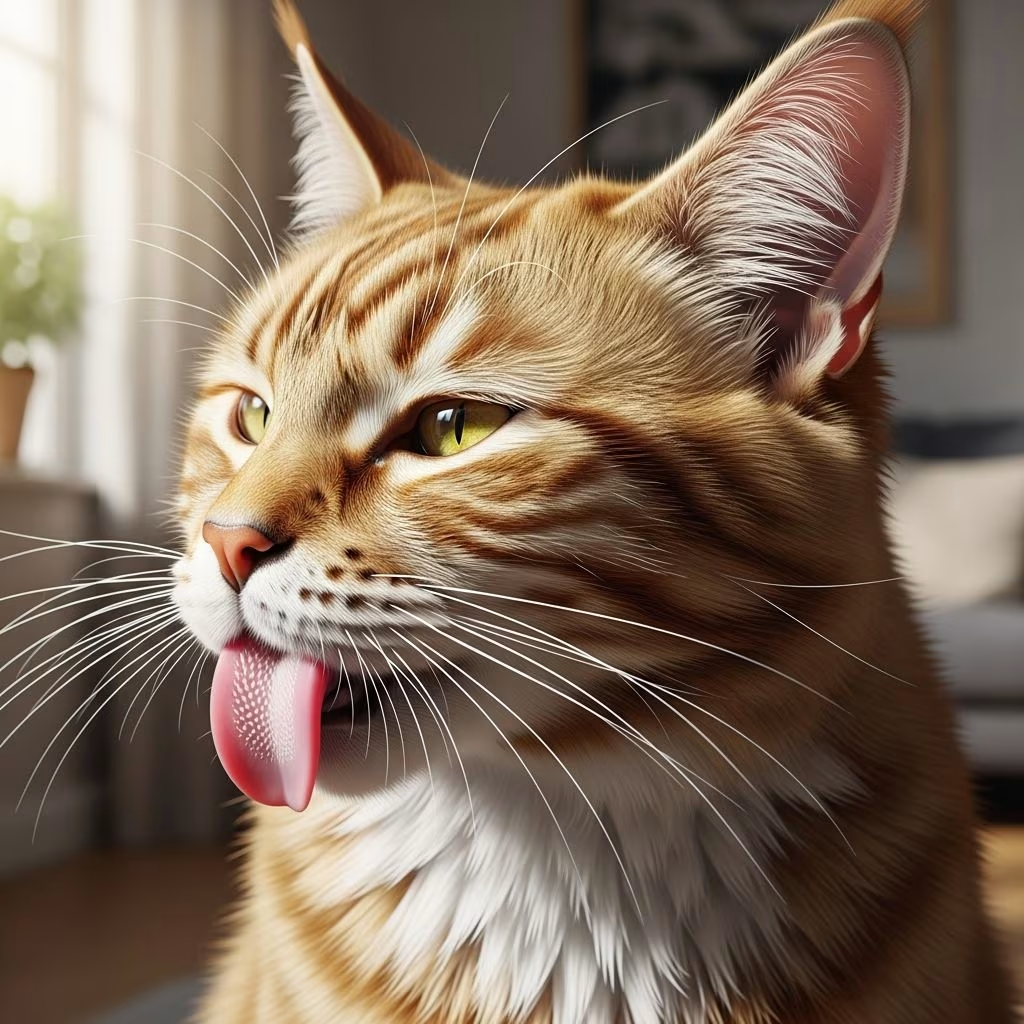
Hairballs are a frequent occurrence in cats due to their natural grooming habits, but proactive measures can significantly reduce their frequency and related discomfort.
Understanding the Formation of Feline Hairballs
Cats instinctively groom themselves by licking their fur, which leads to ingestion of loose hairs. While most of this hair travels through the digestive system and exits naturally, some accumulates in the stomach, forming compact masses known as trichobezoars. These clumps are eventually expelled through vomiting, often producing a distinctive hacking sound beforehand. Long-haired breeds like Maine Coons and Persians face higher risks because their thicker coats shed more profusely. Factors such as seasonal shedding, stress-induced overgrooming, or skin allergies can exacerbate the issue, increasing hair intake.
Normally, occasional hairballs pose little threat, but frequent episodes signal potential digestive slowdowns or blockages. Veterinary sources emphasize that while grooming is essential for cats’ hygiene, excessive hair buildup disrupts normal gut motility.
Recognizing Signs of Hairball Issues in Cats
Observe your cat for common indicators to differentiate routine hairballs from serious concerns. Key symptoms include retching or gagging with a crouched posture, followed by expulsion of a tubular mass of fur, mucus, and sometimes undigested food. Affected cats may appear lethargic, lose appetite, or exhibit constipation due to partial obstructions.
- Frequent vomiting: More than once or twice monthly suggests underlying problems.
- Weight loss or dehydration: Indicates possible intestinal blockage requiring immediate attention.
- Abdominal discomfort: Swollen belly or reluctance to eat points to complications.
- Behavioral changes: Increased hiding or reduced activity often accompanies distress.
If symptoms persist beyond 48 hours or include bloody vomit, diarrhea, or no bowel movements, consult a veterinarian promptly to rule out obstructions or other conditions. Early detection prevents severe issues like esophageal impaction.
Essential Grooming Practices to Minimize Hair Ingestion
Regular brushing stands as the cornerstone of hairball prevention by removing loose fur before it can be swallowed. Short-haired cats benefit from weekly sessions, while long-haired ones require daily attention to manage shedding effectively. Use tools like slicker brushes or de-shedding combs suited to coat type, starting gently to build tolerance.
| Coat Type | Brushing Frequency | Recommended Tools |
|---|---|---|
| Short-haired | 2-3 times/week | Slicker brush, rubber mitt |
| Long-haired | Daily | Wide-tooth comb, undercoat rake |
| Shedding seasons | Daily for all | De-shedding tool |
For resistant cats, professional grooming every few months trims excess fur without stress. Wiping with fragrance-free pet wipes post-brushing captures stray hairs, further reducing intake. These habits not only curb hairballs but also promote healthier skin by distributing natural oils.
Dietary Strategies for Smoother Digestion
Nutrition plays a pivotal role in facilitating hair passage through the gut. High-fiber formulas in hairball-control cat foods add bulk to stool, pushing ingested fur along efficiently. Ingredients like psyllium or beet pulp enhance motility without compromising protein needs essential for felines. Transition gradually over 7-10 days to avoid digestive upset.
Increase hydration by offering wet food, multiple water stations, or fountains, as dehydration thickens gut contents and traps hair. Safe fiber boosts include canned pumpkin (1 tsp daily) or fish oil supplements for lubrication. Avoid human foods high in plant fiber, as cats are obligate carnivores requiring tailored nutrition.
- Hairball diets: Contain added fiber and omega fatty acids for coat health.
- Wet food integration: Provides 70-80% moisture to aid transit.
- Fiber add-ins: Pumpkin, psyllium under vet guidance.
Targeted Remedies and Supplements
Veterinary-approved gels like petroleum-based laxatives (e.g., Laxatone) lubricate the intestines when given 2-3 times weekly, easing hair expulsion. Flavored pastes appeal to picky eaters and coat the digestive tract, preventing compaction.
Administer pea-sized amounts on paws for self-licking or mix into food. Overuse risks diarrhea, so follow dosage instructions. Omega-3 supplements support skin integrity, reducing excessive shedding from dryness. Always select products from reputable brands and consult vets for cats with sensitivities.
Addressing Root Causes of Excessive Grooming
Overgrooming often stems from allergies, fleas, anxiety, or pain, amplifying hairball risks. Environmental enrichment with toys, scratching posts, and pheromone diffusers mitigates stress-related licking. Flea preventives and hypoallergenic diets tackle dermatological triggers. Routine vet exams detect issues like hyperthyroidism early.
Monitor for bald patches or hot spots, which signal medical needs beyond grooming. Behavioral modifications, like scheduled play, redirect energy from compulsive habits.
When to Seek Professional Veterinary Help
While home strategies suffice for most, persistent hairballs warrant professional evaluation. Signs mandating a visit include vomiting lasting over 24 hours, straining without results, or sudden weakness. Diagnostics like X-rays or ultrasounds identify blockages. Treatments range from fluids and enemas to surgery in rare severe cases.
Annual check-ups tailor prevention to your cat’s age, breed, and health profile. Vets may recommend prescription diets or meds for chronic cases.
Building a Comprehensive Hairball Prevention Plan
Combine grooming, diet, remedies, and monitoring for optimal results. Track episodes in a journal to gauge effectiveness and adjust as needed. Seasonal intensives during molts amplify efforts.
- Establish daily brushing routine.
- Switch to hairball formula food.
- Introduce gel remedies bi-weekly.
- Ensure constant fresh water access.
- Schedule vet visits biannually.
This holistic approach maintains digestive vitality, minimizing disruptions.
Frequently Asked Questions (FAQs)
Are hairballs dangerous for cats?
Occasional ones are harmless, but frequent or large hairballs risk blockages; seek vet care if concerned.
How often should I brush my cat to prevent hairballs?
Daily for longhairs, 2-3 times weekly for shorthairs, more during shedding.
Can diet alone stop hairballs?
Fiber-rich diets help significantly but pair best with grooming.
What if my cat refuses hairball gel?
Try flavors, paw application, or vet alternatives like treats.
Do all cats get hairballs?
Most do, but longhairs and overgroomers more prone.
References
- Hairballs in Cats: Causes, Symptoms, and What You Can Do About Them — CTV Shoal Creek. 2023. https://ctvsh.com/hairballs-in-cats-causes-symptoms-and-what-you-can-do-about-them/
- Cat Hairballs 101: How to Help — PetMD. 2023. https://www.petmd.com/cat/general-health/cat-hairballs-101-how-help
- Hacking Up the Truth: A Guide to Cat Hairballs and Digestive Health — RubyVet. 2024. https://www.rubyvet.com/blog/hacking-up-the-truth-a-guide-to-cat-hairballs-and-digestive-health
- A Hairy Dilemma — Cornell University College of Veterinary Medicine. 2023. https://www.vet.cornell.edu/departments-centers-and-institutes/cornell-feline-health-center/health-information/feline-health-topics/hairy-dilemma
- Dealing with Hairballs: Prevention and Treatment for Cats — Faithful Friends Veterinary Clinic. 2024. https://faithfulfriendsvetclinic.com/dealing-with-hairballs-prevention-and-treatment-for-cats/



