

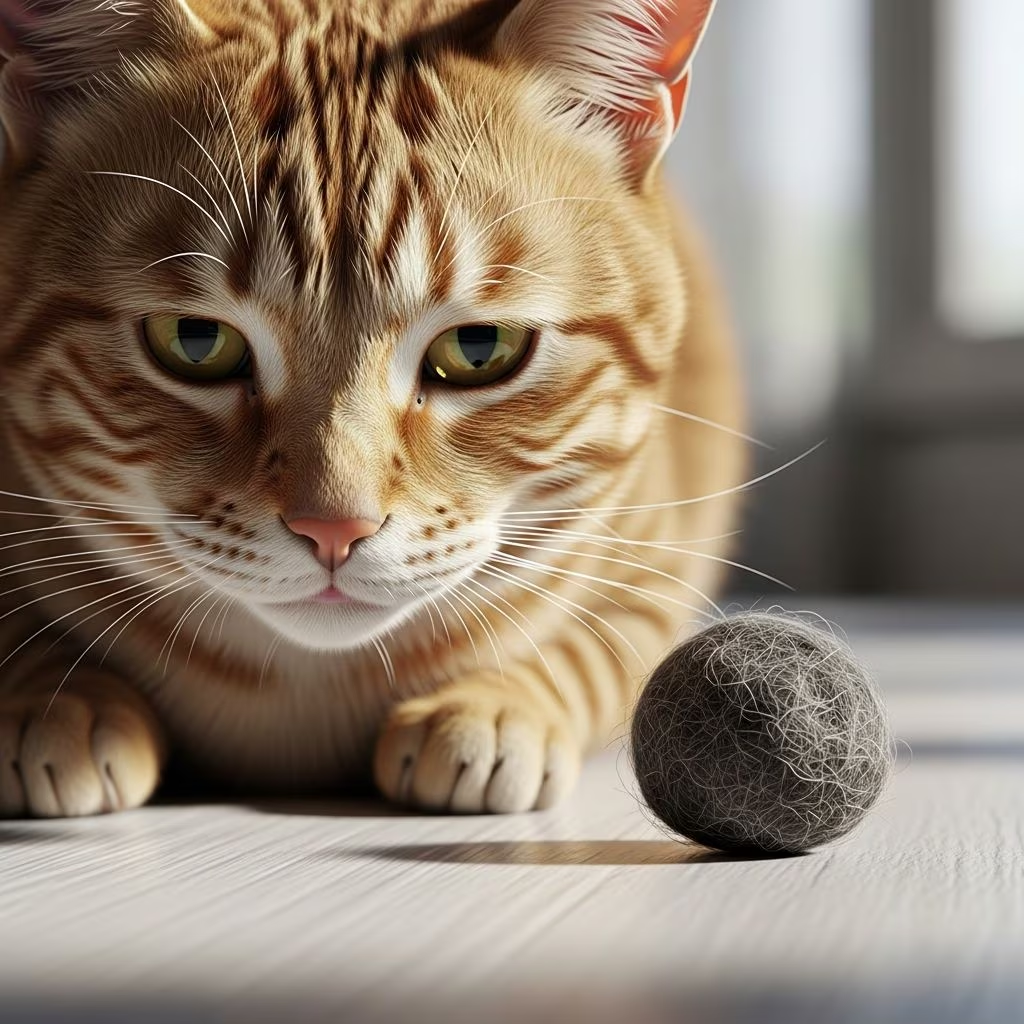
Cats frequently expel hairballs as part of their natural grooming process, but understanding their appearance and managing them effectively is key to your pet’s comfort. These masses, known medically as trichobezoars, form when ingested fur accumulates in the digestive tract.
Recognizing Hairballs in Your Cat
Hairballs typically appear as elongated, tube-shaped clumps of fur, often measuring several inches in length and about half an inch in width. Fresh ones are moist and slick from stomach acids and mucus, while older ones dry into firm, sausage-like structures that may resemble feces at first glance. Their color mirrors your cat’s coat, matted with yellowish bile or dark digestive residues.
- Size variations: Small ones are pea-sized; larger can exceed 2 inches.
- Texture: Wet and stringy when fresh; brittle and crumbly when dried.
- Location: Commonly found near litter boxes, bedding, or favorite resting spots.
Distinguishing them from vomit or waste prevents unnecessary alarm. Unlike regular vomit, hairballs lack food chunks and have a distinct furry composition.
The Grooming Habits Behind Hairball Formation
Cats dedicate up to half their day to self-grooming, using barbed tongues to remove loose fur. This ingested hair, composed of indigestible keratin, travels through the stomach and intestines. Normally, it passes in feces, but excess can tangle into masses too large to eliminate naturally.
Long-haired breeds like Persians face higher risks due to more fur volume, while shorthairs may signal issues if frequent. Seasonal shedding exacerbates this during spring and fall.
Health Risks Associated with Frequent Hairballs
Occasional hairballs are benign, but persistent ones warrant attention. They can cause retching, appetite loss, or lethargy. Severe cases lead to blockages, requiring surgical intervention.
In shorthaired cats, regular expulsion may indicate gastrointestinal disorders, fleas, or allergies prompting over-grooming. Monitor for dehydration, weight loss, or constipation as red flags.
| Symptom | Possible Cause | Action Needed |
|---|---|---|
| Frequent vomiting | Excessive shedding or diet | Improve grooming routine |
| Lethargy or no appetite | Blockage risk | Veterinary check |
| Constipation | Hair accumulation | Dietary fiber boost |
Nutritional Strategies to Minimize Hairballs
Diet plays a pivotal role in hairball control. High-fiber foods promote fur passage through the gut. Insoluble fibers like cellulose or miscanthus grass bulk stools, easing elimination. Soluble fibers form gels that trap hair.
Omega-3 and omega-6 fatty acids maintain skin health, reducing excessive shedding. Commercial formulas target this:
- Psyllium seed husks and cellulose blends lubricate digestion.
- Miscanthus grass diets showed reduced hairball size in studies.
- Wet foods’ moisture aids fur flushing over dry kibble.
Ingredients to seek: beet pulp, chicory root, linseed, and salmon oil. Transition diets gradually over 7-10 days.
Grooming Techniques for Hairball Prevention
Regular brushing removes loose fur before ingestion. Use slicker brushes for longhairs, rubber mitts for shorthairs, 2-3 times weekly. Bathing with cat-safe shampoos during heavy sheds cuts intake by 30-50%.
Malt pastes, containing vegetable by-products and oils, lubricate the tract, aiding expulsion. Administer pea-sized amounts 2-3 times weekly, not as meal replacements.
When to Seek Veterinary Advice
Consult a vet if hairballs exceed once monthly, accompany blood, or persist despite remedies. Diagnostics like ultrasounds detect blockages. Underlying issues like hyperthyroidism or allergies need targeted treatment.
Annual check-ups catch predispositions early.
Comparing Hairball Control Products
| Product Type | Key Ingredients | Benefits | Source |
|---|---|---|---|
| Dry Food | Cellulose, Beet Pulp | Fiber for passage | |
| Wet Food | High Moisture, Omega Oils | Flushes system | |
| Paste | Malt Extract, Oils | Lubricates gut | |
| Treats | Fiber, Yeast | Supplementary aid |
Daily Routine for Hairball-Free Cats
- Brush 10-15 minutes daily during sheds.
- Feed hairball-control diet consistently.
- Offer malt paste weekly.
- Ensure fresh water intake.
- Monitor litter habits.
FAQs on Cat Hairballs
Are hairballs dangerous for cats?
Occasional ones are normal, but frequent or large masses risk obstruction.
How often should my cat vomit hairballs?
Once every 1-2 months is typical; more suggests intervention.
Can diet alone stop hairballs?
It helps significantly with fiber-rich formulas, combined with grooming.
Do kittens get hairballs?
Rarely, as they shed less; adults are primary.
Is wet food better for hairball control?
Yes, due to moisture promoting fur movement.
References
- Hairball Management — BSM Partners. 2023. https://www.bsmpartners.net/insights/hairball-management/
- What are hairballs and how to prevent them — Apollo Fluffy Cat. 2024. https://apollofluffycat.com/en/prevent-cat-hairballs/
- Effect of Miscanthus Grass as a Dietary Method to Aid Hairball — Kansas State University. 2017-05-01. https://www.k-state.edu/pet-food/events/docs/2017/RADonadelli%20hairball%20poster.pdf
- Trichobezoars (Hairballs) in Cats — VCA Animal Hospitals. 2024. https://vcahospitals.com/know-your-pet/trichobezoars-in-cats
- Hairball Control Cat Food — Meow Mix. 2025. https://www.meowmix.com/cat-food/dry/hairball-control
- BLUE True Solutions Hairball Control — Blue Buffalo. 2025. https://www.bluebuffalo.com/dry-cat-food/true-solutions/hairball-control-cat/
- Cat Hairballs 101: How to Help — PetMD. 2024. https://www.petmd.com/cat/general-health/cat-hairballs-101-how-help



