

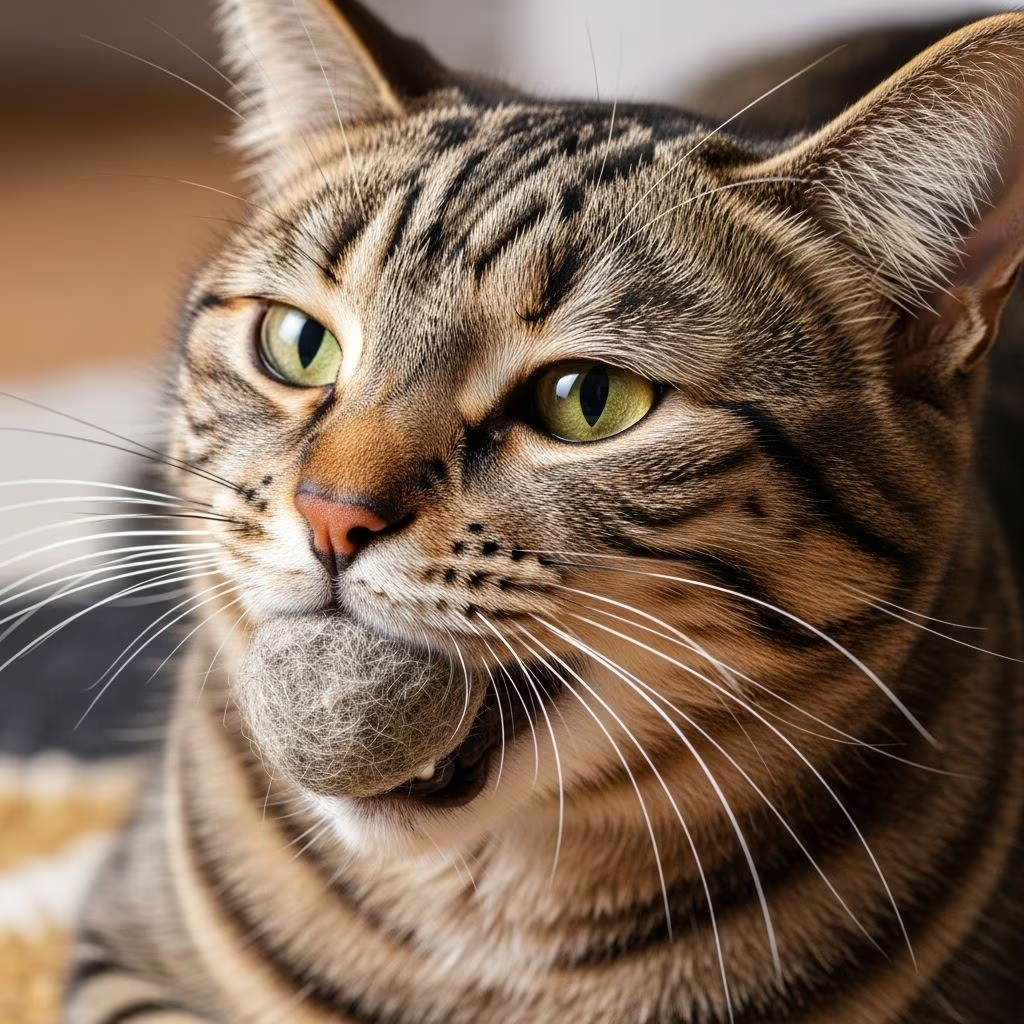
Hairballs occur when cats ingest fur during grooming, leading to clumps that are regurgitated or passed through the digestive system. While common, frequent occurrences signal potential health concerns requiring proactive management.
The Grooming Instinct Behind Hairballs
Cats are meticulous self-groomers, spending up to half their waking hours licking their coats to remove dirt, parasites, and loose hairs. This natural behavior ingests significant amounts of fur daily. In most cases, the digestive tract processes this fur efficiently, but accumulation in the stomach forms tubular masses known as trichobezoars, or hairballs, which cats expel via vomiting.
Long-haired breeds like Persians and Maine Coons face higher risks due to their plush coats producing more loose fur. Short-haired cats experience fewer issues, but any feline can develop hairballs during heavy shedding seasons, such as spring and fall.
Signs Your Cat Is Dealing with Hairballs
Typical hairball expulsion involves retching with an arched back and extended neck, producing a cylindrical mass of fur, often 1-2 inches long. Occasional episodes—once a month—are normal. However, watch for:
- Multiple weekly incidents, indicating digestive slowdown.
- Lethargy, appetite loss, or constipation alongside vomiting.
- Bloated abdomen or straining during defecation.
- Dry, unkempt coat suggesting excessive licking.
These symptoms may point to allergies, parasites, or gastrointestinal disorders rather than routine hairballs.
Factors Increasing Hairball Frequency
Beyond grooming, several elements contribute:
| Factor | Description | Impact |
|---|---|---|
| Breed Type | Long-haired varieties shed more profusely. | Higher ingestion volume leads to rapid buildup. |
| Stress/Anxiety | Triggers overgrooming behaviors. | Increased fur intake overwhelms digestion. |
| Diet Deficiencies | Lack of fiber slows gut motility. | Hair lingers, forming dense clumps. |
| Dehydration | Reduces digestive efficiency. | Hardens hair masses, complicating passage. |
Environmental stressors like household changes or boredom exacerbate licking, amplifying risks.
Proven Grooming Routines to Minimize Risks
Regular brushing removes loose fur before ingestion, cutting hairball incidents by up to 50% in prone cats. Tailor frequency to coat length:
- Short-haired: 2-3 times weekly with a rubber curry brush.
- Long-haired: Daily sessions using slicker brushes or de-shedding tools like the FURminator.
Follow brushing with fragrance-free baby wipes or damp cloths to capture residual fur. Professional grooming every 4-6 months benefits heavy shedders, including mat removal and baths to reduce loose undercoat.
Discourage overgrooming by addressing anxiety through puzzle toys, vertical spaces, and pheromone diffusers.
Nutritional Strategies for Smoother Digestion
Diet profoundly influences hair passage. High-fiber formulas bind ingested fur, promoting elimination via stool rather than vomiting. Look for:
- Hairball-control kibble with psyllium or beet pulp for natural bulk.
- Omega-3 fatty acids from fish oil to support skin health and reduce shedding.
Incorporate safe fiber boosts like plain canned pumpkin (1 tsp daily) or psyllium husk mixed into meals. Transition gradually over 7-10 days to avoid tummy upset.
Wet food enhances hydration, softening stool and easing hair transit. Cats on dry-only diets often suffer drier guts, worsening clumping.
Hydration Hacks for Optimal Gut Function
Adequate water intake keeps the intestines lubricated, preventing hair compaction. Strategies include:
- Multiple fresh water stations around the home.
- Circulating fountains to mimic running streams, enticing picky drinkers.
- Flavoring water lightly with tuna juice (unsalted).
Aim for 3-4 ounces daily per 5 pounds of body weight, adjustable for activity and climate.
Remedies and Supplements for Immediate Relief
Petroleum-based gels like Laxatone or Tomlyn lubricate the tract, allowing hairballs to slide through. Administer 1-2 inches on a paw for licking, 2-3 times weekly during peak shedding. Avoid overuse to prevent dependency.
Other options:
- Fish oil capsules for ongoing lubrication.
- Probiotic pastes to balance gut flora and motility.
Always vet-approve before starting.
When to Consult a Veterinarian
Seek professional care if hairballs exceed bi-weekly frequency, persist despite home efforts, or accompany weight loss, diarrhea, or blood in vomit/stool. Vets may recommend:
- Diagnostics like X-rays or ultrasounds for blockages.
- Prescription diets or deworming for parasites.
- Surgery in rare obstruction cases.
Routine check-ups catch early issues, ensuring tailored prevention.
Seasonal and Lifestyle Adjustments
Shedding peaks demand intensified routines: double brushing, gel treatments, and fiber ups. Indoor cats with limited activity benefit from play sessions to reduce stress-induced grooming. Multi-cat homes spread fur everywhere, so vacuum diligently and provide individual litter boxes.
FAQs on Cat Hairballs
Are hairballs dangerous for cats?
Occasional ones are harmless, but frequent or large masses risk intestinal blockages, choking, or nutrient malabsorption. Monitor closely.
How often should my cat pass a hairball?
Once monthly is typical; more suggests intervention needed.
Can kittens get hairballs?
Rarely, as they groom less. Puppies or young cats with allergies may, warranting vet checks.
Do all cats get hairballs?
No, hairless breeds like Sphynx rarely do, while longhairs do frequently.
Is petroleum jelly safe for hairball control?
In small amounts licked off paws, yes; consult vet for dosage.
Long-Term Wellness Plan
Combine grooming, diet, hydration, and remedies into a holistic routine. Track episodes in a journal to spot patterns and measure progress. Annual vet wellness exams integrate hairball management into broader health strategies, fostering a vibrant, vomit-free life for your cat.
References
- Hacking Up the Truth: A Guide to Cat Hairballs and Digestive Health — RubyVet. 2023. https://www.rubyvet.com/blog/hacking-up-the-truth-a-guide-to-cat-hairballs-and-digestive-health
- Dealing with Hairballs: Prevention and Treatment for Cats — Faithful Friends Veterinary Clinic. 2024. https://faithfulfriendsvetclinic.com/dealing-with-hairballs-prevention-and-treatment-for-cats/
- Minimizing Hairballs in Cats — ASPCA Pet Health Insurance. 2024. https://www.aspcapetinsurance.com/resources/minimizing-hairballs-in-cats/
- What Are Cat Hairballs? How Can I Prevent Them? — Chewy. 2024. https://www.chewy.com/education/cat/health-and-wellness/were-answering-all-your-questions-about-cat-hairballs
- Hairballs in Cats: Causes, Symptoms, & Remedies — WebMD. 2024-01-15. https://www.webmd.com/pets/cats/what-to-do-about-hairballs-in-cats
- Why Do Cats Vomit Hairballs and How to Prevent? — Newport Veterinary. 2023. https://newportveterinary.com/blogs/why-do-cats-vomit-hairballs-and-how-to-prevent



