
Cat Hairballs Explained
Discover why cats get hairballs, when they're normal, and effective ways to manage and prevent them for a healthier feline friend.
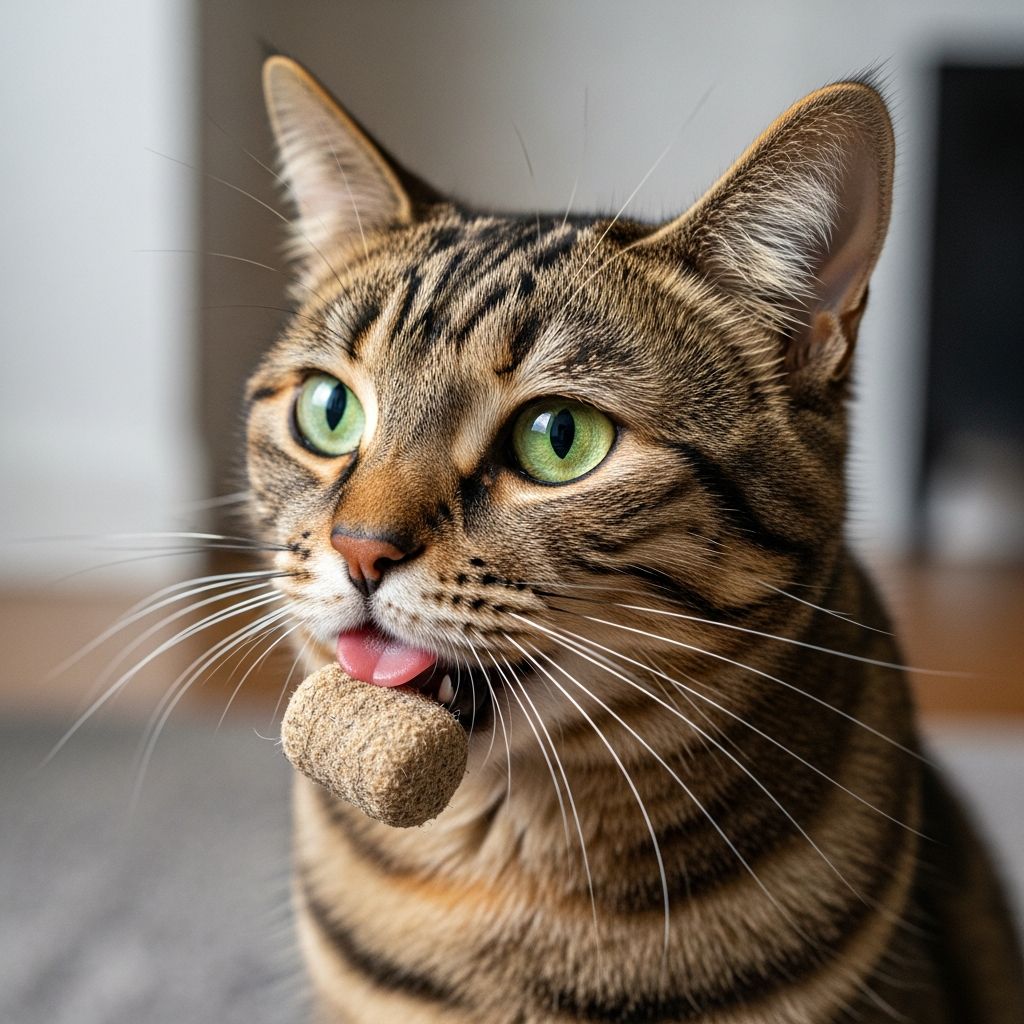
Hairballs in cats form when ingested fur accumulates in the stomach, often leading to vomiting of cylindrical masses. While occasional occurrences are typical, frequent episodes may signal underlying problems requiring attention.
The Science Behind Feline Hairballs
Cats groom meticulously using their barbed tongues, which catch loose hairs during licking. Most ingested fur passes through the digestive system and exits in feces, but excess amounts can clump together due to keratin, a tough protein in hair that resists digestion. These clumps, known as trichobezoars, typically form in the stomach and are expelled via vomiting when they become too large to pass naturally.
Long-haired breeds like Persians and Maine Coons face higher risks because they shed more profusely, overwhelming their digestive capacity. Seasonal shedding exacerbates this, as increased loose fur leads to greater ingestion.
Common Triggers for Hairball Formation
Several factors contribute to hairball development beyond routine grooming:
- Excessive Grooming: Stress, boredom, allergies, or skin conditions prompt over-licking, increasing fur intake.
- Gastrointestinal Disorders: Conditions like inflammatory bowel disease (IBD), slowed motility, or parasites hinder hair passage, allowing clumps to build up.
- Foreign Materials: Swallowing strings, fabric, or plastic can tangle with hair, complicating elimination.
- Dietary Influences: Low-fiber diets slow digestion, promoting hair accumulation.
Shorthaired cats can also suffer if grooming intensifies due to fleas or anxiety, overwhelming normal digestive processes.
Recognizing Hairball Symptoms in Your Cat
Owners often spot
hairballs
as tubular, mucus-covered vomitus on floors or bedding. Accompanying signs include:- Retching or hacking noises, mistaken for coughing.
- Lethargy, reduced appetite, or weight loss if frequent.
- Constipation or straining during defecation.
- Abdominal distension in severe blockages.
Frequent vomiting (more than once monthly) or failure to produce a hairball after gagging warrants concern, as it may indicate obstruction or illness.
When Hairballs Signal a Bigger Problem
Not all hairballs are benign. Veterinary sources note they can mask serious issues:
| Condition | Symptoms | Risk Factors |
|---|---|---|
| Inflammatory Bowel Disease | Chronic vomiting, diarrhea | Slowed gut motility |
| GI Lymphoma or Parasites | Weight loss, poor coat | Overgrooming |
| Obstructions | No feces, severe distress | Foreign bodies |
| Skin Allergies/Fleas | Itching, bald patches | Excess licking |
Blockages are emergencies, potentially life-threatening without surgical intervention.
Proven Prevention Strategies for Hairballs
Minimize risks through consistent management:
- Daily Brushing: Remove loose fur before ingestion, especially for longhairs. Use tools like slicker brushes or de-shedding combs[10].
- High-Fiber Diets: Foods with added fiber promote hair transit. Studies show reduced hairballs in supplemented longhaired cats.
- Hairball Formulas: Commercial diets or gels lubricate the gut, easing passage.
- Enrichment: Toys and play curb stress-induced overgrooming.
Ensure ample fresh water to support hydration and motility.
Safe Remedies and Home Treatments
For mild cases, vet-approved options include:
- Lubricant Gels: Products like Laxatone coat hair for smoother elimination.
- Natural Aids: Pumpkin puree or fish oil boosts fiber and lubrication—consult a vet first.
- Probiotics: Support gut health to improve hair passage.
Avoid human laxatives, as they can harm felines.
Veterinary Diagnosis and Interventions
During exams, vets perform physical checks, history reviews, and tests like:
- Bloodwork for systemic issues.
- X-rays/ultrasounds for blockages.
- Endoscopy for direct visualization.
Treatments range from rehydration and laxatives to surgery for obstructions. Routine checkups catch precursors early.
Breed-Specific Considerations
While all cats groom, vulnerabilities vary:
- Longhairs (Persians, Maine Coons): Need frequent professional grooming.
- Shorthairs: Monitor for behavioral overgrooming.
- Seniors: Prone to motility slowdowns.
FAQs: Hairballs in Cats
Are hairballs normal for cats?
Occasional hairballs (1-2 per month) are normal, especially in grooming-prone breeds.
How often should a cat vomit hairballs?
More than biweekly suggests intervention.
Can hairballs cause death?
Yes, via intestinal blockage if untreated.
What home remedy works best?
Brushing and fiber-rich food; gels as supplements.
Do wet food diets help?
They aid hydration but pair with fiber for best results.
Long-Term Management for a Hairball-Free Life
Integrate grooming into daily routines, monitor shedding cycles, and schedule annual vet visits. Track vomiting frequency in a journal to spot patterns early. By addressing root causes like diet and stress, owners can drastically cut hairball incidents, enhancing their cat’s comfort and vitality.
For multi-cat homes, separate litter monitoring helps isolate affected individuals. Environmental tweaks, like pheromone diffusers for anxiety, yield lasting benefits.
References
- Understanding Cat Hair Balls: Causes, Remedies, and Symptoms — GoodRx. 2023. https://www.goodrx.com/pet-health/cat/cat-getting-hairballs-remedy
- Hairballs in Cats: Causes, Symptoms, and What You Can Do About Them — CTVSH. 2024. https://ctvsh.com/hairballs-in-cats-causes-symptoms-and-what-you-can-do-about-them/
- The Ultimate Guide to Cat Hairballs: Causes, Prevention, and What to Do — Little Silver Animal Hospital. 2023. https://littlesilveranimalhospital.com/?p=1303
- Cat Hairballs 101: How to Help — PetMD. 2024. https://www.petmd.com/cat/general-health/cat-hairballs-101-how-help
- Hair Balls in Cats: A normal nuisance or a sign that something is wrong? — PMC – NIH. 2024-01-15. https://pmc.ncbi.nlm.nih.gov/articles/PMC10816490/
- Trichobezoars (Hairballs) in Cats — VCA Animal Hospitals. 2023. https://vcahospitals.com/know-your-pet/trichobezoars-in-cats
Similar Articles








Read full bio of Sneha Tete




