

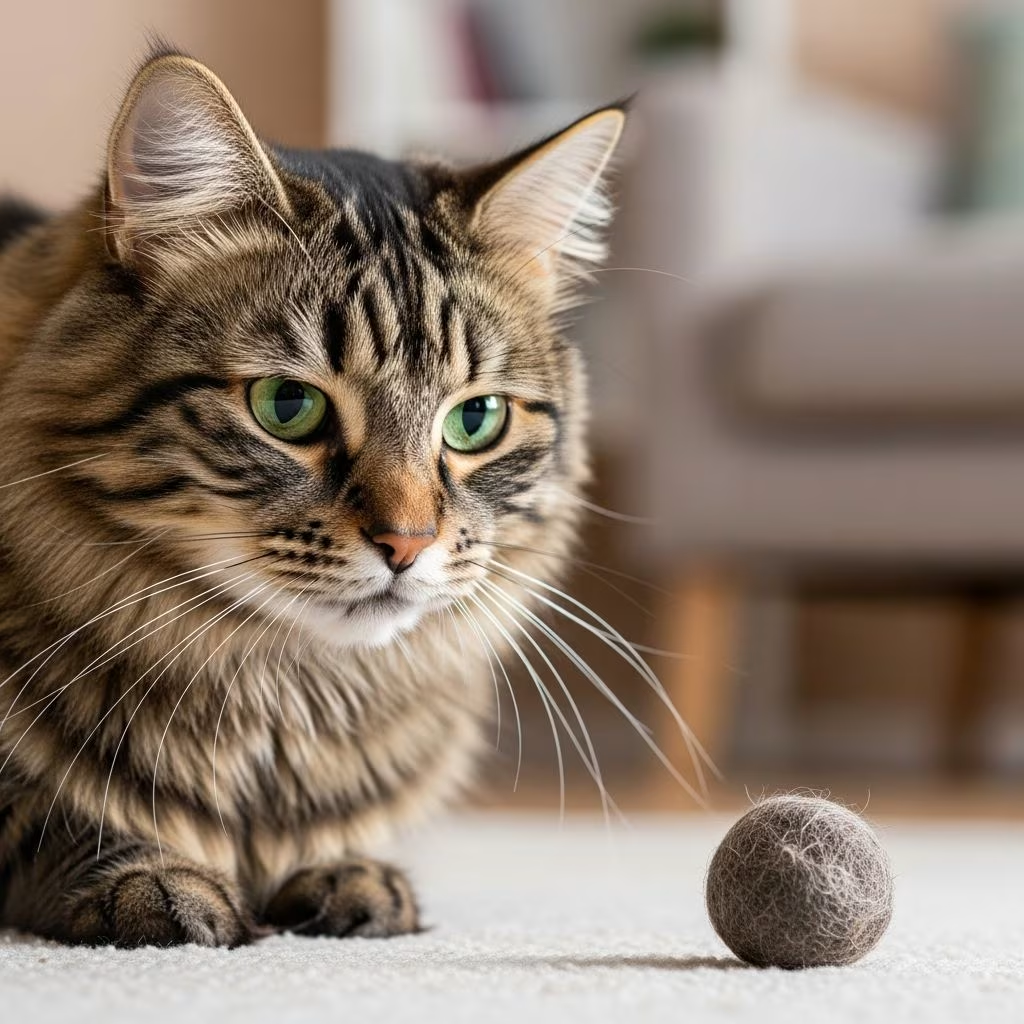
Cats frequently expel hairballs as part of their natural grooming process, where swallowed fur accumulates in the stomach and is regurgitated. While occasional occurrences are normal, frequent or problematic hairballs may signal underlying health concerns requiring attention.
Understanding the Formation of Feline Hairballs
Hairballs, technically known as trichobezoars, develop when cats ingest loose fur during self-grooming. The indigestible keratin in hair typically passes through the intestines, but excess amounts can tangle in the stomach, forming a mass too large to eliminate naturally.
Long-haired breeds like Maine Coons and Persians face higher risks due to their dense coats, which shed more profusely and demand intensive grooming. Cats that overgroom from stress, allergies, or skin conditions exacerbate this issue by consuming greater volumes of fur.
Factors Increasing Hairball Frequency
- Excessive Grooming: Behavioral issues such as anxiety or boredom prompt repetitive licking, leading to higher fur intake.
- Skin and Coat Conditions: Allergies, fleas, or dermatitis cause intensified grooming to soothe irritation.
- Gastrointestinal Disorders: Conditions like inflammatory bowel disease (IBD) or lymphoma slow gut motility, trapping hair.
- Parasites and Infections: Intestinal worms or other invaders disrupt normal digestion.
Cats with these predispositions may produce hairballs weekly rather than monthly, warranting closer monitoring.
Recognizing Normal vs. Problematic Hairballs
A typical hairball appears as a tubular, cylindrical mass of fur, often expelled after retching or coughing sounds. Infrequent episodes—once a month or less—pose little threat to health.
However, seek veterinary care if observing:
- Hairballs more than once monthly.
- Accompanying symptoms like constipation, lethargy, appetite loss, or abdominal discomfort.
- Signs of obstruction, such as repeated unproductive vomiting or distended belly.
| Normal Hairball Signs | Warning Signs |
|---|---|
| Occasional expulsion | Frequent vomiting |
| No other symptoms | Lethargy or weight loss |
| Cylindrical shape | Bloody vomit or diarrhea |
This table highlights key differences for quick assessment.
Home Strategies to Minimize Hairballs
Proactive measures can significantly reduce hairball incidence without veterinary intervention for mild cases.
Enhance Grooming Routines
Daily brushing removes loose fur before ingestion. Use tools like slicker brushes or de-shedding gloves suited to coat type. Long-haired cats benefit from professional grooming sessions every 4-6 weeks. Introduce brushing gradually to build tolerance, starting with short sessions and treats as rewards.
Dietary Modifications for Better Digestion
Incorporate high-fiber foods designed for hairball control, which promote fur passage through the tract. Psyllium or beet pulp sources add bulk without excess calories. Transition diets slowly over 7-10 days to avoid upset.
Boost hydration by providing fresh water fountains, as dehydration hinders gut movement, especially for dry-food eaters. Wet food options increase moisture intake naturally.
Supplements and Lubricants
Over-the-counter gels like those with mineral oil or petroleum jelly coat the digestive lining, easing hair expulsion. Administer as directed, typically a pea-sized amount weekly. Consult a vet before use, particularly with existing conditions.
Occasional additions like canned pumpkin (plain, not pie filling) provide soluble fiber to facilitate movement.
Veterinary Approaches to Hairball Management
When home efforts fall short, professional evaluation uncovers root causes. Vets conduct physical exams, palpating for masses, and may order bloodwork, imaging, or fecal tests.
For diagnosed issues:
- Underlying Diseases: Treat allergies with hypoallergenic diets or medications; manage IBD via prescription foods.
- Obstructions: Severe blockages necessitate surgery to extract the mass and inspect for damage.
- Preventives: Tailored laxatives, probiotics, or motility enhancers.
Hairball-specific diets from vets contain optimized fiber blends proven to reduce recurrence.
Preventive Lifestyle Adjustments
Beyond grooming and diet, enrich your cat’s environment to curb stress-induced overgrooming. Provide interactive toys, scratching posts, and vertical spaces to alleviate boredom. Pheromone diffusers calm anxious felines.
Monitor weight, as obesity slows digestion. Regular exercise via play sessions keeps systems active.
FAQs on Cat Hairballs
Are hairballs dangerous for cats?
Occasional ones are harmless, but frequent or obstructive hairballs can lead to life-threatening blockages.
How often should a cat have hairballs?
Once a month is typical; more suggests intervention.
Can diet alone prevent hairballs?
Diet helps significantly, especially fiber-rich formulas, but combine with grooming for best results.
What if my cat stops eating due to hairballs?
This requires immediate vet attention to rule out serious issues.
Is petroleum jelly safe for cats?
In small, vet-approved amounts, yes; avoid overuse.
Long-Term Monitoring and Care
Track hairball episodes in a journal, noting frequency, appearance, and associated behaviors. Annual wellness exams allow early detection of predisposing conditions.
For multi-cat homes, separate litter boxes prevent stress. Senior cats may need gentler brushes and softer foods as grooming wanes.
By integrating these strategies, cat owners can foster smoother digestion and fewer disruptions, enhancing their pet’s quality of life.
References
- What Are Cat Hairballs? How Can I Prevent Them? — Chewy. 2023. https://www.chewy.com/education/cat/health-and-wellness/were-answering-all-your-questions-about-cat-hairballs
- Trichobezoars (Hairballs) in Cats — VCA Animal Hospitals. 2024. https://vcahospitals.com/know-your-pet/trichobezoars-in-cats
- Cat Hairballs 101: How to Help — PetMD. 2023. https://www.petmd.com/cat/general-health/cat-hairballs-101-how-help
- Hairballs in Cats: Causes, Symptoms, & Remedies — WebMD. 2024. https://www.webmd.com/pets/cats/what-to-do-about-hairballs-in-cats
- A Hairy Dilemma — Cornell University College of Veterinary Medicine. 2022. https://www.vet.cornell.edu/departments-centers-and-institutes/cornell-feline-health-center/health-information/feline-health-topics/hairy-dilemma



