

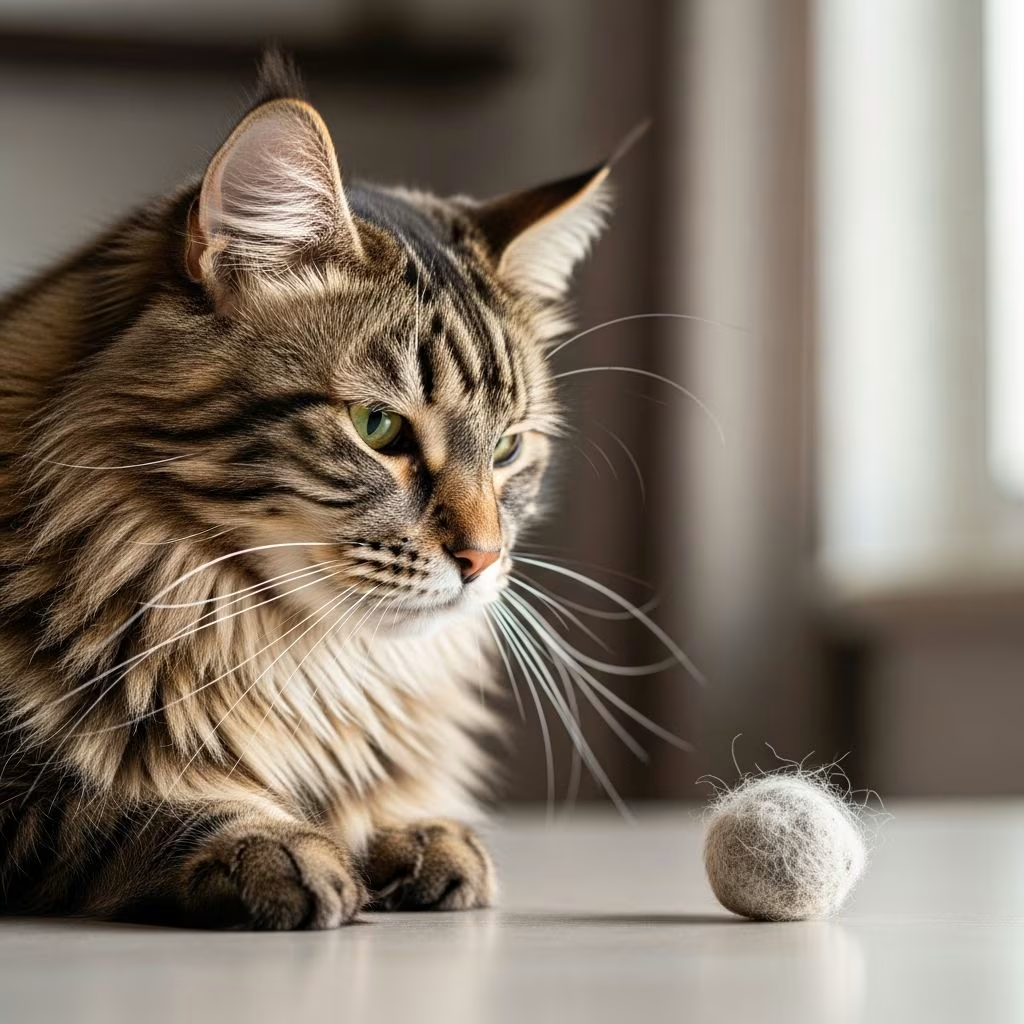
Cats frequently expel hairballs through vomiting, a natural process stemming from their grooming habits where swallowed fur accumulates in the stomach. While occasional occurrences are normal, frequent episodes or accompanying symptoms may indicate underlying health concerns requiring attention.
Understanding the Hairball Phenomenon in Cats
Hairballs, known scientifically as trichobezoars, form when cats ingest loose fur during self-grooming. This fur travels through the digestive system, often mixing with stomach contents to create tubular masses that cats regurgitate. Long-haired breeds experience this more often due to greater fur volume, with studies noting roughly double the incidence compared to short-haired cats.
The digestive tract’s motility plays a key role; slowed movement allows fur to clump rather than pass naturally via feces. Factors like diet, hydration, and overall gut health influence whether hairballs become problematic. In healthy cats, this is a minor nuisance, but persistent issues can signal gastrointestinal disruptions.
Primary Triggers Behind Hairball Formation
Several elements contribute to hairball development beyond routine grooming. Excessive licking from stress or boredom prompts over-ingestion of fur, exacerbating the issue. Parasitic infestations, such as roundworms or hookworms, irritate the gut, impeding fur passage and promoting clumping.
Dietary factors are significant: sudden food switches upset digestion, while eating too rapidly leads to regurgitation of undigested material mixed with hair. Allergies or intolerances to ingredients cause chronic inflammation, indirectly fostering hairball production. Bacterial imbalances, including Helicobacter pylori overgrowth, correlate with repeated vomiting in affected cats.
- Overgrooming: Stress-induced or breed-related, leading to high fur intake.
- Gut Motility Issues: Delayed emptying traps fur in the stomach.
- Foreign Interference: Worms, foreign objects, or tumors obstruct normal transit.
- Nutritional Gaps: Low fiber or hydration hinders fur elimination.
Distinguishing Normal Hairball Vomit from Serious Alerts
Not all cat vomiting involves hairballs; decoding the appearance and frequency is crucial. Classic hairball vomit appears as a cylindrical, moist tube of fur, often devoid of food and expelled without much effort. This typically occurs every few weeks in grooming-prone cats and resolves quickly.
However, alarm bells ring with changes: watery vomit, blood traces, bile presence, or fully digested food mixed in suggest issues like infections, kidney problems, or obstructions. Frequency exceeding once monthly, especially with lethargy, appetite loss, or constipation, demands veterinary evaluation.
| Vomit Type | Description | Concern Level |
|---|---|---|
| Hairball | Oblong fur tube, no food | Low (if occasional) |
| Food Regurgitation | Undigested chunks shortly after eating | Moderate |
| Bloody or Bilious | Red streaks, yellow tint | High – Vet needed |
| Frothy/White | Foamy, clear liquid | High – Possible poisoning |
Physical cues like abdominal distension, pain on touch, dehydration signs (dry gums, sunken eyes), or hunched posture point to blockages or severe discomfort, potentially requiring urgent care.
Health Risks of Unmanaged Hairballs
While single hairballs pose little threat, recurrent or large ones risk intestinal blockages, leading to life-threatening complications. Fur mats can halt digestion, causing nutrient malabsorption, dehydration, and toxemia. In extreme cases, surgery becomes necessary to remove impactions.
Chronic vomiting depletes electrolytes, weakens immunity, and stresses organs like the kidneys. Associated conditions, such as inflammatory bowel disease or delayed gastric emptying, amplify these dangers if untreated. Early intervention prevents escalation from nuisance to crisis.
Proven Strategies to Minimize Hairballs
Enhance Grooming Routines
Daily brushing removes loose fur before ingestion, proving most effective for long-haired cats who may need it frequently, versus weekly for short-haired ones. Tools like slicker brushes or combs target undercoat, reducing shedding by up to 90% with consistency. Professional grooming aids matted coats, curbing overgrooming.
Optimize Nutrition and Hydration
Switch to vet-recommended high-fiber formulas designed for hairball control; these promote gut motility and fur passage. Ingredients like psyllium or beet pulp add bulk without compromising feline nutrition. Incorporating wet food boosts moisture intake, softening stools for easier elimination.
Ensure constant fresh water access, ideally via fountains that mimic running streams, encouraging drinking. Multiple bowls around the home further promote hydration, flushing fur proactively.
Incorporate Supplements and Remedies
Lubricants like petroleum-based gels (e.g., laxatone) coat the tract, easing fur movement; administer weekly as directed. Natural options include canned pumpkin for fiber or fish oil for omega-3s supporting coat health and lubrication. Always consult vets before starting.
- Pumpkin puree: 1 tsp daily for fiber boost.
- Fish oil: 1 tsp weekly for digestive lubrication.
- Malt paste: Tasty option to stimulate passage.
Address Behavioral and Environmental Factors
Reduce stress through play, toys, and scratching posts to curb excessive grooming. Parasite prevention with monthly dewormers and flea controls eliminates irritants prompting over-licking. Consistent small meals prevent gorging and support steady digestion.
Step-by-Step Home Management Plan
- Assess Frequency: Track vomit episodes; if over 1-2 monthly, seek vet advice.
- Initiate Grooming: Brush 3-7 times weekly based on coat length.
- Diet Transition: Gradually introduce hairball formula over 7-10 days.
- Hydration Check: Install fountain; monitor intake.
- Supplement Trial: Vet-approved gel 2-3 times weekly.
- Monitor Progress: Note reductions; adjust as needed.
When to Seek Professional Veterinary Help
Immediate vet visits are essential for persistent vomiting (daily/weekly), weight loss, diarrhea, or behavioral shifts. Diagnostics may include bloodwork, ultrasounds, or endoscopies to rule out obstructions, infections, or diseases. Treatments range from fluids and anti-nausea meds to dietary prescriptions or surgery.
Annual checkups catch predispositions early, with tailored plans for at-risk cats like seniors or Persians.
Frequently Asked Questions (FAQs)
Is hairball vomiting normal for cats?
Occasional (1-2 times monthly) is typical, especially in grooming-heavy breeds; more frequent warrants investigation.
How often should I brush my cat to prevent hairballs?
Daily for longhairs, 2-3 times weekly for shorthairs; consistency is key.
Can diet alone stop hairballs?
High-fiber diets significantly reduce them when combined with grooming and hydration.
What if my cat stops eating due to hairballs?
This signals urgency; dehydration and blockages risk escalation – contact vet promptly.
Are hairball remedies safe for kittens?
Use age-appropriate products; consult vet, as young cats have different needs.
Long-Term Wellness for Hairball-Free Living
Maintaining a holistic approach integrates grooming, nutrition, environment, and monitoring for sustained results. Cats on preventive regimens often see hairball incidents drop dramatically, enhancing comfort and vitality. Partner with your vet for personalized protocols, ensuring your feline thrives without digestive distress.
References
- Hairball or Health Crisis? How to Decode Your Cat’s Vomiting — Westerville Pets. 2023. https://westervillepets.com/hairball-or-health-crisis-how-to-decode-your-cats-vomiting/
- Why Is My Cat Throwing Up Hairballs? Causes & Prevention Tips — Bond Vet. 2023. https://bondvet.com/blog/cat-throwing-up-hairball
- Hairballs: What are They, and How Do I Prevent Them? — Dundee Animal Hospital. 2022-02. https://www.dundeeanimalhospital.com/blog/2022/02/hairballs-what-are-they-and-how-do-i-prevent-them/
- Help! My Cat Keeps Vomiting up Hairballs! — Turramurra Vet. 2023. https://www.turramurravet.com.au/pet-care/cat-hairballs/
- What Are Cat Hairballs? How Can I Prevent Them? — Chewy. 2023. https://www.chewy.com/education/cat/health-and-wellness/were-answering-all-your-questions-about-cat-hairballs
- Hairballs in Cats: Causes, Symptoms, & Remedies — WebMD. 2023. https://www.webmd.com/pets/cats/what-to-do-about-hairballs-in-cats
- Hair Balls in Cats: A normal nuisance or a sign that something is wrong? — PMC (PubMed Central). 2024. https://pmc.ncbi.nlm.nih.gov/articles/PMC10816490/
- A Hairy Dilemma — Cornell University College of Veterinary Medicine. 2023. https://www.vet.cornell.edu/departments-centers-and-institutes/cornell-feline-health-center/health-information/feline-health-topics/hairy-dilemma



