

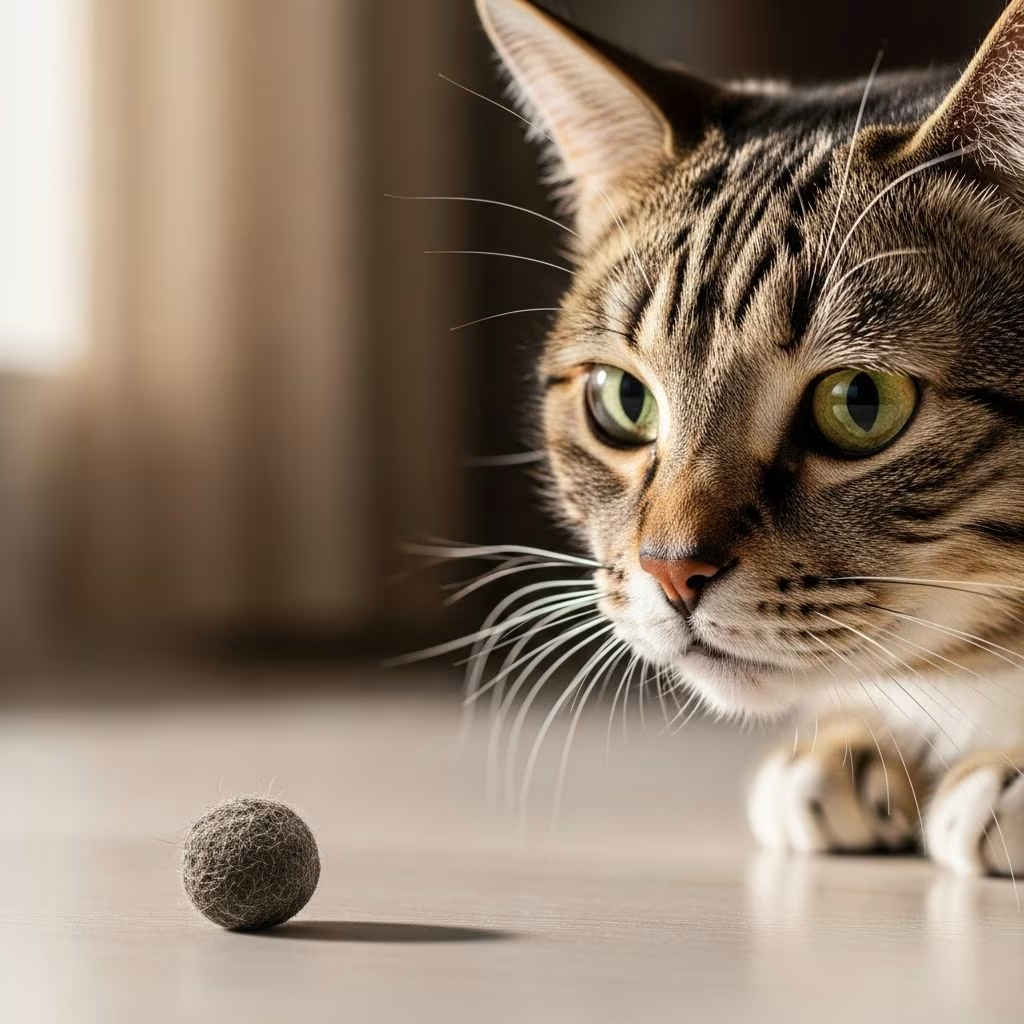
Hairballs are a common occurrence in cat households, and while many pet owners view them as a normal part of cat ownership, understanding what causes them and how to manage them can significantly improve your cat’s quality of life. Hairballs, medically known as trichobezoars, form when cats ingest hair during grooming and this hair accumulates in the stomach or digestive tract. While occasional hairballs are generally not concerning, frequent episodes may indicate underlying health issues that require veterinary attention.
What Are Cat Hairballs?
Hairballs occur when cats ingest small amounts of hair during their regular grooming routine. Cats are meticulous self-groomers, and hair is naturally ingested as part of this process. Under normal circumstances, this ingested hair should pass through the digestive system and exit the body through feces without causing problems. However, when hair becomes tangled or accumulates faster than it can be digested and eliminated, it forms a hairball.
The formation of hairballs is not a sign that something is wrong with your cat’s digestive system in most cases. Hair cannot be digested due to its composition of keratin, a fibrous structural protein. When everything is functioning normally, the digestive tract naturally moves this hair through the system. Hairballs are typically expelled through vomiting, which is how most cat owners become aware of the problem.
What Causes Cat Hairballs?
Several factors contribute to the development of hairballs in cats. Understanding these causes can help you identify whether your cat’s hairball situation is normal or requires attention.
Coat Length and Shedding
Long-haired breeds such as Maine Coons and Persians are more prone to hairballs due to their thick coats and frequent grooming needs. These breeds have more hair to manage, and their grooming habits naturally result in ingesting greater quantities of hair. Even short-haired cats can develop hairballs, particularly during seasonal shedding periods when they lose more hair.
Overgrooming
Overgrooming significantly increases hairball formation and can stem from multiple underlying causes. Cats that excessively groom themselves may be dealing with:
- Anxiety or stress
- Allergies or skin conditions
- Pain or discomfort
- Behavioral issues or boredom
Commonly over-groomed areas include the belly, inner thighs, and legs. If you notice your cat focusing excessive attention on specific body areas, this could indicate an underlying problem rather than normal grooming behavior.
Gastrointestinal Issues
Certain health conditions can predispose cats to hairball formation. Cats with underlying gastrointestinal disease may have altered motility that limits the movement of hair through the digestive tract. Conditions that increase hairball risk include:
- Inflammatory Bowel Disease (IBD)
- Gastrointestinal lymphoma
- Food allergies
- Intestinal parasites
- Foreign bodies in the GI tract
Skin Diseases
Cats with allergies or other skin diseases may be more prone to hairballs because they lick their skin and coat more vigorously. Any condition causing itching or irritation will naturally lead to increased grooming and subsequent hair ingestion.
How Frequent Are Normal Hairballs?
Distinguishing between normal hairball occurrence and a problem situation is crucial for cat owners. Infrequent hairballs—about once every month or so—aren’t cause for alarm. Many cats will occasionally cough up a hairball without any underlying issues. However, if your cat has multiple hairballs per week, this could signal overgrooming or a gastrointestinal issue that warrants veterinary evaluation.
When to Consult Your Veterinarian
You should schedule a veterinary appointment if your cat is experiencing any of the following:
- Excessive vomiting of hairballs, more than once per month
- Constipation
- Lethargy or decreased activity
- Appetite loss or reduced food intake
- Signs of discomfort or abdominal pain
Additionally, if your cat cannot keep down food or water or shows signs of bowel obstruction, immediate veterinary care is necessary. These symptoms may indicate a hairball blockage that could be life-threatening.
How Veterinarians Diagnose Hairballs
When you bring your cat to the veterinarian with concerns about hairballs, they will follow a systematic diagnostic approach. The veterinarian will begin by asking detailed questions about what you’ve observed at home and your cat’s health history. A thorough physical examination follows, during which the vet may palpate the abdomen to assess for signs of obstruction or digestive issues.
If hairball vomiting is frequent or if an obstruction is suspected, your veterinarian may recommend various diagnostic tests:
- Skin scrapings to look for mites or fungal infections
- Ringworm cultures
- Cytology to rule out skin infections
- Abdominal X-rays or ultrasound
- Blood work and urinalysis
- Fecal examinations to check for parasites
- Hypoallergenic food trials
- Biopsies of the gastrointestinal tract or skin
These tests help identify any underlying conditions contributing to excessive hairball formation, such as allergies, skin diseases, or gastrointestinal disorders.
Prevention Strategies for Cat Hairballs
Regular Grooming
One of the most effective ways to prevent hairballs is through regular grooming. Consistent brushing and combing reduce the amount of loose hair your cat ingests during self-grooming. Accustoming your cat to daily brushing and combing removes excess fur before it ends up in your cat’s stomach. For cats resistant to brushing at home, professional grooming sessions can help manage shedding and coat health.
Specialized grooming tools designed to remove more fur can make a significant difference in reducing shedding. Grooming wipes are another option for cats that won’t tolerate traditional brushes.
Dietary Modifications
Diet plays an important role in managing hairballs. Hairball-specific diets containing high levels of fiber are designed to move hair through the gastrointestinal tract and reduce the risk of hairball accumulation. Fiber helps things move smoothly through the digestive system, making it less likely for hair to form obstructions.
Your veterinarian can recommend appropriate hairball control cat food formulated to aid digestion and hair passage. Additionally, increasing your cat’s water intake supports overall digestive function. If your cat eats primarily dry food, their diet may not provide sufficient hydration. Offering a clean, fresh water source or investing in a cat water fountain can encourage increased drinking. Canned food may also provide adequate hydration to keep the digestive system functioning properly.
Stress Reduction and Environmental Enrichment
Since stress and anxiety can contribute to overgrooming, providing a calm and enriching environment is beneficial. Reduce stressors where possible and ensure your cat has appropriate outlets for play and mental stimulation. Boredom-related overgrooming can often be addressed through increased interactive play sessions and environmental enrichment.
Treatment Options for Cat Hairballs
Over-the-Counter Remedies
For cats with occasional hairballs, home treatments can be effective. Hairball-control gels and lubricant products, such as Laxatone, act as lubricants and ease the passage of fur through the GI tract. These products typically contain mild laxatives that help hairballs pass through the digestive tract more easily.
When using any over-the-counter hairball products, follow the directions carefully and consult with your veterinarian first, especially if your cat has other health conditions. What works for one cat may not be appropriate for another, and your veterinarian can recommend products specifically suited to your cat’s needs.
Lubricant Treatments
Several approaches can lubricate the digestive tract to facilitate hairball passage. You can include oil in your cat’s diet by offering small amounts of canned tuna or sardines occasionally. Alternatively, placing a small amount of petroleum jelly on your cat’s paw allows them to lick it off, coating the digestive tract to help hair pass through. Petroleum-based remedies designed for this purpose are also commercially available and can be periodically fed to your cat.
Veterinary-Prescribed Medications
For cats with frequent hairballs, your veterinarian may recommend laxatives or digestive aids to allow hair to pass more easily through the digestive system. These products should only be used under veterinary guidance, as not all cats will benefit from them equally. Your veterinarian will determine whether these options are appropriate for your cat’s specific situation and health status.
Surgical Intervention
In severe cases where a hairball causes an obstruction, surgical intervention becomes necessary. Surgery is typically needed to remove very large hairballs blocking a cat’s GI tract. During the procedure, the veterinarian will examine your cat’s entire digestive system for additional hairballs and repair or remove any damaged tissues found. Blockages can be life-threatening, making prompt veterinary care essential.
Home Care for Cats with Hairball Issues
Home treatment is appropriate only for cats that have infrequent hairballs. Home treatment is not appropriate for cats with frequent hairballs. For occasional hairball situations, you can try several management strategies:
- Increase brushing frequency to remove loose hair
- Ensure adequate hydration through fresh water or water fountains
- Consider hairball control diet formulations
- Use over-the-counter lubricant products as directed
- Monitor your cat for any changes in behavior or symptoms
However, if your cat continues to have frequent hairballs or develops additional symptoms despite home care, veterinary consultation is essential.
Frequently Asked Questions
Q: Are occasional hairballs normal in cats?
A: Yes, occasional hairballs about once per month are normal in cats and typically don’t require veterinary intervention. However, multiple hairballs per week may indicate an underlying issue.
Q: Which cat breeds are most prone to hairballs?
A: Long-haired breeds such as Maine Coons and Persians are more prone to hairballs due to their thick coats and frequent grooming needs. However, any cat can develop hairballs.
Q: Can hairballs be life-threatening?
A: Yes, if a hairball causes a complete obstruction in the digestive tract, it can be life-threatening and may require surgery. Seek immediate veterinary care if your cat shows signs of obstruction.
Q: What’s the best way to prevent hairballs?
A: Regular daily brushing and combing, maintaining a fiber-rich diet, ensuring adequate hydration, and addressing any underlying skin or behavioral issues are the most effective prevention strategies.
Q: Can diet really help with hairball prevention?
A: Yes, hairball-specific diets high in fiber can help move hair through the digestive tract more efficiently. Your veterinarian can recommend appropriate dietary options for your cat.
Q: When should I be concerned about my cat’s hairballs?
A: Consult your veterinarian if your cat has more than one hairball per month, shows signs of constipation, lethargy, appetite loss, or abdominal discomfort, or cannot keep down food or water.
References
- What Are Cat Hairballs? How Can I Prevent Them? — Chewy. 2024. https://www.chewy.com/education/cat/health-and-wellness/were-answering-all-your-questions-about-cat-hairballs
- Trichobezoars (Hairballs) in Cats — VCA Animal Hospitals. 2024. https://vcahospitals.com/know-your-pet/trichobezoars-in-cats
- Cat Hairballs 101: How to Help — PetMD. 2024. https://www.petmd.com/cat/general-health/cat-hairballs-101-how-help
- Hairballs in Cats: Causes, Symptoms, & Remedies — WebMD. 2024. https://www.webmd.com/pets/cats/what-to-do-about-hairballs-in-cats
- Is Your Cat Coughing Up Hairballs? Here’s What You Need to Know — Boulder Veterinary Hospital. 2024. https://bouldervet.com/blog/cat-hairball/
- A Hairy Dilemma — Cornell University College of Veterinary Medicine. 2024. https://www.vet.cornell.edu/departments-centers-and-institutes/cornell-feline-health-center/health-information/feline-health-topics/hairy-dilemma



