

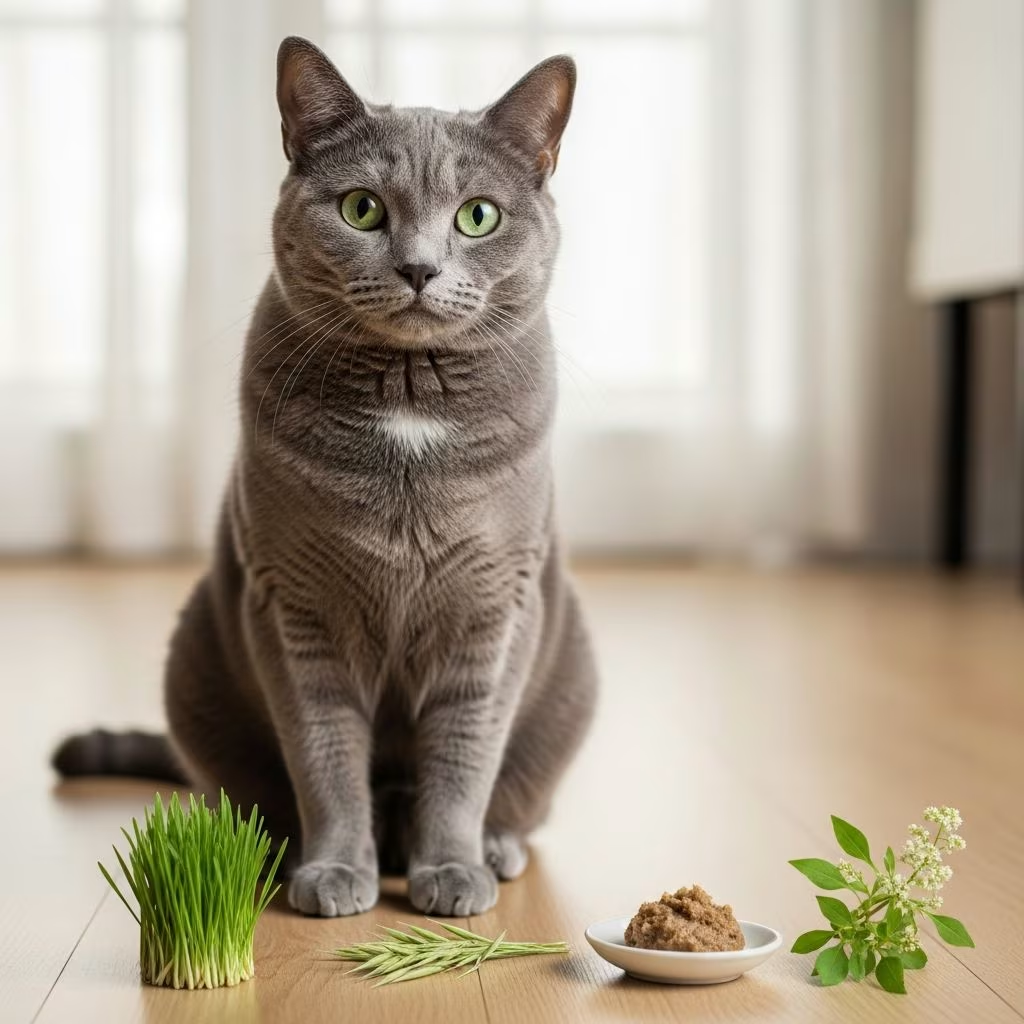
Cats frequently develop hairballs due to their natural grooming habits, where ingested fur accumulates in the stomach and gets expelled as cylindrical masses. Effective management involves consistent grooming, dietary adjustments, and monitoring for health issues.
Understanding the Formation of Feline Hairballs
Hairballs, or trichobezoars, form when cats swallow loose fur during self-grooming. The rough barbs on a cat’s tongue act like a brush, collecting hairs that travel to the stomach. Normally, these pass through the intestines with feces, but excess amounts clump together, leading to regurgitation.
Long-haired breeds such as Persians and Maine Coons face higher risks because their dense coats shed more profusely. Overgrooming, often triggered by stress, allergies, or skin conditions, exacerbates the problem by increasing fur intake.
- Normal frequency: Occasional vomiting, about once a month, is typical.
- Excessive cases: Multiple incidents weekly signal potential digestive slowdowns or illnesses.
Primary Causes Behind Frequent Hairball Issues
Several factors contribute to hairball buildup beyond routine grooming. Gastrointestinal slowdowns from conditions like inflammatory bowel disease (IBD) prevent hair from passing efficiently.
| Cause | Description | At-Risk Cats |
|---|---|---|
| Overgrooming | Excessive licking due to anxiety, fleas, or allergies | Stressed or allergic cats |
| Foreign Objects | Ingestion of strings, plastic, or fabric mixing with hair | Curious, indoor cats |
| Dehydration | Low water intake slows digestion | Dry food exclusive eaters |
| GI Disorders | IBD or parasites hinder fur passage | Older or unwell cats |
Environmental hazards like accessible small items increase complications, as tangled materials form denser masses.
Daily Grooming Practices to Minimize Hair Ingestion
Regular brushing removes loose fur before it can be swallowed, significantly cutting hairball occurrences. Start with a soft slicker brush for short-haired cats and a wide-tooth comb for longer coats, aiming for sessions several times weekly.
Professional grooming helps heavy shedders, reducing undercoat buildup. Introduce tools gradually with treats to build tolerance. For multi-cat homes, vacuum frequently to prevent re-ingestion from floors.
- Use grooming wipes for quick touch-ups between brushes.
- Focus on belly, legs, and tail base where overgrooming occurs.
Dietary Strategies for Smoother Digestion
High-fiber foods promote intestinal motility, pushing hair through the system. Hairball-control formulas contain added psyllium or beet pulp to bulk stool and ease passage.
Transition gradually over 7-10 days to avoid tummy upset. Wet food boosts hydration, softening hair for expulsion. Smaller, frequent meals prevent overload, mimicking natural eating patterns.
Plain canned pumpkin (1-2 teaspoons daily) adds soluble fiber naturally. Fish oils support gut health but consult a vet for dosing to avoid excess.
Helpful Supplements and Lubricants
Mild laxatives like malt-based pastes coat the digestive tract, lubricating hair passage. Apply pea-sized amounts to paws or mix with food 2-3 times weekly.
Avoid petroleum jelly without vet approval, as efficacy lacks strong evidence and it may cause issues in some cats. Omega-3 supplements from fish sources aid overall GI function.
- Lubricants: Cod liver oil or mineral oil gels.
- Fiber additives: Psyllium husk powders.
- Always check for interactions with medications.
Environmental Adjustments for Prevention
Ensure constant fresh water access; fountains encourage drinking. Remove temptations like strings or paper clips to curb pica behaviors.
Stress reduction through play, perches, and routines minimizes overgrooming. Monitor litter box for constipation, an early hairball sign.
Recognizing When Hairballs Signal Serious Problems
Isolated vomiting is benign, but persistent issues warrant attention. Watch for these red flags:
- 2+ hairballs yearly.
- Lethargy, weight loss, or appetite drop.
- Diarrhea, constipation, or bloody stool.
- Bald patches or skin irritation from overgrooming.
- Repeated retching without expulsion.
Blockages cause life-threatening obstructions, showing as vomiting foam, abdominal pain, or collapse.
Veterinary Diagnostics and Interventions
A full exam rules out parasites, allergies, or tumors like lymphoma. Tests include bloodwork, ultrasounds, X-rays, or endoscopy.
Treatments range from hydration fluids and laxatives to surgery for obstructions. Vets tailor hairball diets or meds post-diagnosis.
Age-Specific Hairball Management
Kittens rarely form hairballs until 4-6 months when grooming matures. Seniors benefit from softer foods and gentler brushes.
Pregnant or nursing queens need extra fiber to handle increased shedding.
FAQs on Cat Hairball Care
Is petroleum jelly safe for hairballs?
Not proven effective; vet-approved gels are better.
How often is too often for hairballs?
More than monthly suggests vet evaluation.
Can diet alone prevent hairballs?
Fiber-rich diets help but combine with grooming.
What if my cat won’t drink water?
Try fountains or wet food.
Do all cats get hairballs?
Most do occasionally; longhairs more severely.
Long-Term Wellness Plan for Hairball-Free Cats
Combine brushing, diet, hydration, and environment tweaks for best results. Annual vet checkups catch early issues. Track vomiting frequency to adjust strategies promptly.
This holistic approach keeps cats comfortable, reducing vet visits and distress.
References
- Understanding Cat Hair Balls: Causes, Remedies, and Symptoms — GoodRx. 2023. https://www.goodrx.com/pet-health/cat/cat-getting-hairballs-remedy
- What Are Cat Hairballs? How Can I Prevent Them? — Chewy. 2024. https://www.chewy.com/education/cat/health-and-wellness/were-answering-all-your-questions-about-cat-hairballs
- Hairballs in Cats: Causes, Symptoms, & Remedies — WebMD. 2023. https://www.webmd.com/pets/cats/what-to-do-about-hairballs-in-cats
- Comprehensive Guide to Managing Cat Hairballs in 2025 — Safford Vets. 2025-01-15. https://saffordvets.com/and-meow-a-word-about-kitty-hairballs/
- Is Your Cat Coughing Up Hairballs? Here’s What You Need to Know — Boulder Veterinary Hospital. 2024. https://bouldervet.com/blog/cat-hairball/
- A Hairy Dilemma — Cornell University College of Veterinary Medicine. 2022-06-01. https://www.vet.cornell.edu/departments-centers-and-institutes/cornell-feline-health-center/health-information/feline-health-topics/hairy-dilemma



