

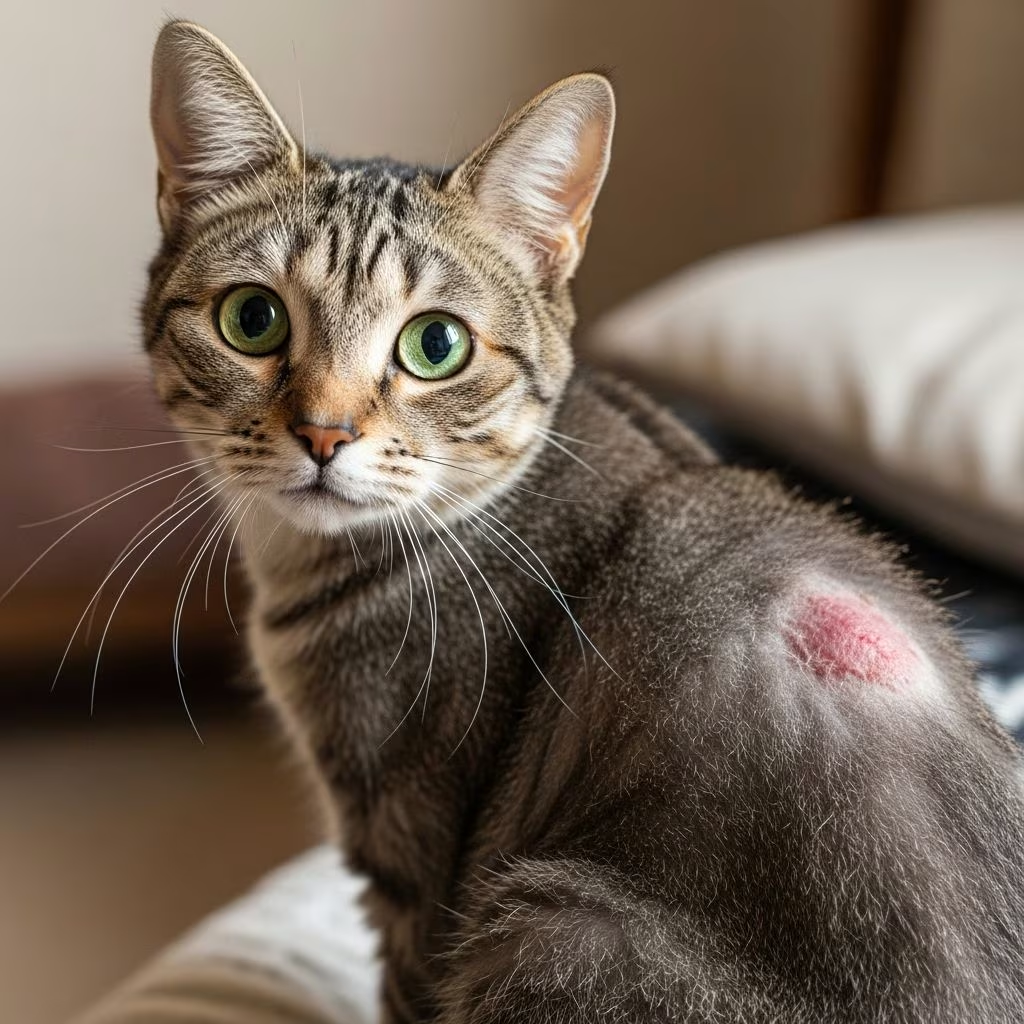
Cat Hair Loss: Causes and Treatment
Hair loss in cats, medically known as alopecia, is a common concern for cat owners and can stem from various underlying conditions. Understanding the causes of feline hair loss is essential for identifying the right treatment approach and ensuring your cat maintains a healthy, vibrant coat. Whether your cat is experiencing mild shedding or significant bald patches, recognizing the symptoms early can make a significant difference in restoring their coat health.
Understanding Cat Hair Loss and Alopecia
Hair loss in cats can manifest in different ways, ranging from general thinning to distinct bald patches in specific areas of the body. The severity and pattern of hair loss often provide important clues about the underlying cause. In some cases, hair loss may be a sign of serious medical conditions that require prompt veterinary attention.
Most hair loss in cats results from overgrooming or excessive licking, often concentrated in one particular area. This behavior, sometimes called barbering, occurs when cats repeatedly lick or pull at their fur, typically in response to irritation, stress, or an underlying medical condition. Understanding why your cat is overgrooming is crucial to addressing the root cause of the problem.
Common Causes of Hair Loss in Cats
Parasitic Infections
Parasites are among the most frequent causes of hair loss in cats. Fleas are a major culprit, but mites and lice can also cause significant irritation leading to excessive scratching and grooming. Cats suffering from flea allergy dermatitis often lose fur around the tail, back, and thighs, even if only a few fleas are present.
The parasites themselves irritate the skin, causing itching and discomfort that prompts the cat to scratch excessively. This continuous scratching can result in hair loss, skin damage, and potential secondary bacterial infections. In some cases, the presence of parasites is not obvious without a thorough veterinary examination, making professional diagnosis essential.
Fungal and Bacterial Infections
Ringworm is one of the most common fungal infections affecting cats, despite its name actually being a fungal rather than parasitic condition. Ringworm creates circular patches of hair loss and is highly contagious to other animals and humans. The infection produces distinctive signs including redness, scabbing, and a greasy texture on the affected skin.
Bacterial skin infections often develop as a secondary consequence of excessive scratching or grooming. When a cat scratches their skin repeatedly, they can create open wounds that become susceptible to bacterial colonization. These infections can worsen quickly if left untreated, leading to more extensive hair loss and potential systemic complications.
Allergies and Sensitivities
Just like humans, cats can develop allergies to various substances, including specific foods, environmental factors such as pollen and dust, and even grooming products or cleaning supplies. When a cat experiences an allergic reaction, they typically respond by scratching excessively at the affected areas. This excessive scratching leads to hair loss in patches, often appearing on the face, ears, neck, and paws.
Food allergies are particularly common in cats and can be challenging to identify without systematic dietary trials. Environmental allergies may fluctuate with seasons or exposure levels. Working with your veterinarian to identify the specific allergen is crucial for long-term management and prevention of recurrent hair loss.
Stress and Anxiety-Related Hair Loss
Cats are sensitive animals highly responsive to changes in their environment. Significant stressors such as moving to a new home, the introduction of a new pet, loss of a family member, loud noises, or changes to their routine can trigger stress-related hair loss known as psychogenic alopecia.
When stressed, cats often overgroom themselves as a self-soothing coping mechanism. This behavior results in noticeable bald patches, typically appearing on the stomach, legs, and sides of the body. Psychogenic alopecia can be particularly challenging to manage because it involves behavioral and psychological factors in addition to physical symptoms.
Hormonal Imbalances
Though less common than other causes, hormonal imbalances can significantly impact coat health in cats. Hyperthyroidism, characterized by overproduction of thyroid hormones, frequently affects middle-aged and older cats and can lead to hair loss. Similarly, Cushing’s disease disrupts normal hormone levels and can interfere with healthy hair growth.
These endocrine conditions often require ongoing management and may not be fully reversible, meaning hair loss may need to be managed long-term. Diagnosis typically involves blood tests and imaging studies, making veterinary evaluation essential.
Nutritional Deficiencies
Cats require a balanced diet rich in essential vitamins, minerals, and amino acids to maintain a healthy coat. Deficiencies in important nutrients like omega-3 fatty acids, vitamins, and proteins can result in brittle, dry fur and increased shedding. Cats on low-quality diets or those with certain dietary restrictions may be more prone to coat problems.
Poor nutrition weakens the hair structure and impairs the skin’s ability to maintain its protective barrier. This makes the skin more susceptible to infections and irritation. Providing high-quality, nutritionally complete food is fundamental to maintaining coat health.
Other Medical Conditions
Hair loss can sometimes be an early indicator of underlying medical conditions such as kidney disease or diabetes. Feline leukemia, which suppresses the immune system, can lead to hair loss by interfering with nutrient absorption and increasing susceptibility to skin infections. Additionally, urinary tract issues can cause continual licking and excessive grooming, resulting in hair loss as a secondary symptom.
Recognizing Patterns and Symptoms
Different causes of hair loss often produce distinctive patterns that can help guide diagnosis. Hair loss due to overgrooming typically appears on the abdomen and legs, creating symmetrical bald patches. Parasitic or fungal infections may create more localized, circular patterns with visible inflammation or scaling.
Bald patches combined with red, inflamed, or wounded skin require prompt veterinary evaluation. Open sores can lead to secondary infections, which can significantly worsen your cat’s condition if not treated promptly. Additionally, if hair loss is accompanied by other symptoms such as itching, redness, lethargy, changes in appetite, or behavior changes, professional evaluation is essential.
Diagnosis and Veterinary Evaluation
Professional diagnosis is crucial for determining the underlying cause of hair loss and developing an appropriate treatment plan. Your veterinarian will perform a thorough physical examination, assess the pattern and severity of hair loss, and may recommend diagnostic tests such as fungal cultures, skin scrapings, or blood work.
When visiting your veterinarian, provide detailed information about when the hair loss began, whether it’s progressive or stable, what areas are affected, and any recent changes in your cat’s environment, diet, or behavior. This information helps guide the diagnostic process and leads to faster identification of the cause.
Treatment Options
Parasite Control and Prevention
If parasites are causing the hair loss, your veterinarian will recommend appropriate flea and parasite control products. Modern flea prevention medications are highly effective and available in various formulations including topical treatments, oral medications, and collars. Addressing a parasite problem quickly can prevent further hair loss and skin damage.
Regular parasite prevention is essential, especially in cats with outdoor access or those living in multi-pet households. Your veterinarian can recommend year-round prevention strategies appropriate for your cat’s lifestyle and health status.
Treatment of Fungal and Bacterial Infections
Antifungal medications may be prescribed if ringworm or other fungal infections are causing hair loss. Treatment typically involves both topical and systemic medications, with topical antifungal treatments and medicated shampoos helping to restore skin health. Bacterial infections are treated with appropriate antibiotics, which may be topical, oral, or both.
It’s important to note that many topical formulations of medications and shampoos can be toxic to cats, so always consult a veterinarian before using any topical treatments. Treatment duration typically extends for several weeks to ensure complete resolution of the infection.
Allergy Management
Managing allergies may involve identifying and eliminating the allergen, changing your cat’s diet, using prescription food, or introducing antihistamines or corticosteroids to control allergic reactions. For food allergies specifically, your veterinarian may recommend a hydrolyzed protein diet for up to 12 weeks to identify the problematic food allergen.
If hair loss and skin issues improve during the elimination diet, you’ve identified the food allergen your cat needs to avoid. Your cat can then either continue on the hydrolyzed diet or transition to foods with novel proteins that they haven’t been exposed to previously.
Behavioral Support for Stress-Related Hair Loss
If stress or anxiety is the primary cause of hair loss, creating a calm, enriching environment is essential for resolution. This may involve providing additional hiding spots, vertical spaces, interactive toys, and maintaining consistent routines. Your veterinarian might recommend pheromone diffusers that release calming feline pheromones, behavioral therapy, or calming supplements and medications.
Identifying and minimizing stressors in your cat’s environment can help reduce anxiety-driven overgrooming. In some cases, anti-anxiety medications prescribed by your veterinarian may be necessary to help your cat feel more secure and reduce compulsive grooming behaviors.
Treatment of Hormonal and Metabolic Conditions
Hormonal imbalances such as hyperthyroidism are treated with specific medications like methimazole, which help restore normal hormone levels. These treatments often require ongoing monitoring through blood tests and dose adjustments. While medication can manage these conditions, hair loss may not fully resolve, requiring long-term management strategies.
Nutritional Support
Ensuring your cat receives a well-balanced diet rich in essential nutrients is fundamental to treating nutritionally-based hair loss. Your veterinarian can recommend high-quality foods formulated to support skin and coat health, or suggest supplements to address specific nutritional gaps. Omega-3 fatty acids are particularly important for maintaining healthy skin and coat.
Hair Regrowth Timeline
It’s important to have realistic expectations about hair regrowth following treatment. Cats who have experienced hair loss typically need two months or more for fur to fully regrow after treating the underlying cause. In some instances, particularly with chronic endocrine diseases, alopecia may need to be managed long-term and may never fully resolve.
Consistent treatment adherence and environmental management are crucial during this recovery period. Your veterinarian may recommend follow-up examinations to monitor healing progress and adjust treatment as needed.
Prevention Strategies
Preventing hair loss is often easier than treating it once it develops. Regular parasite prevention, maintaining high-quality nutrition, providing environmental enrichment, and minimizing stress are all important preventive measures. Regular grooming can help you identify early signs of skin problems before they progress to significant hair loss.
Schedule annual veterinary check-ups to catch potential health issues early, and maintain updated parasite prevention year-round. Creating a stable, enriching environment helps minimize stress-related hair loss.
When to Contact Your Veterinarian
Contact your veterinarian if your cat’s hair loss is persistent, worsening, or accompanied by other symptoms such as intense itching, redness, open sores, lethargy, or behavioral changes. Early professional intervention often leads to faster resolution and prevents complications from developing.
Frequently Asked Questions
Q: Is cat hair loss always a sign of a serious condition?
A: Not necessarily. While some causes of hair loss are serious, many are easily treatable. However, professional evaluation is important to identify the underlying cause and ensure appropriate treatment.
Q: Can stress really cause hair loss in cats?
A: Yes, stress-related hair loss, known as psychogenic alopecia, is well-documented in cats. Environmental changes and anxiety can trigger excessive grooming leading to hair loss.
Q: How long does it take to treat cat hair loss?
A: Treatment duration depends on the underlying cause. Most conditions respond to treatment within weeks to months, but hair regrowth typically takes two months or longer. Chronic conditions may require ongoing management.
Q: Can I use human hair loss treatments on my cat?
A: Never use human treatments on cats without veterinary approval. Many products are toxic to cats. Always consult your veterinarian before using any topical treatments.
Q: Is ringworm contagious to humans?
A: Yes, ringworm is contagious to humans and other animals. If your cat has ringworm, follow your veterinarian’s hygiene recommendations carefully and seek medical attention if you develop skin lesions.
Q: What should I feed my cat to improve coat health?
A: Feed high-quality, nutritionally complete cat food with adequate omega-3 fatty acids, proteins, and essential vitamins. Your veterinarian can recommend specific foods or supplements tailored to your cat’s needs.
Q: How can I tell if my cat has fleas if I don’t see them?
A: Your veterinarian can identify fleas through examination and may use a flea comb. Additionally, look for flea dirt (small black specks) in your cat’s coat or on their skin. Some cats develop hair loss from flea allergy with minimal flea presence.
References
- Hair Loss (Alopecia) in Cats – Causes, Treatment and Diagnosis — Vetster. 2024. https://vetster.com/en/symptoms/cat/hair-loss-alopecia
- Alopecia in Cats: What It Is and Why Your Cat Is Losing Hair — PetMD. 2024. https://www.petmd.com/cat/conditions/skin/alopecia-cats-what-it-and-why-your-cat-losing-hair
- Cat Alopecia: Why is Your Cat Losing Hair? — Purina US. 2024. https://www.purina.com/articles/cat/health/skin-fur-ears/cat-alopecia-hair-loss
- Cat Losing Hair? Causes and When to Worry — Fulton County Vet Clinic. 2024. https://fultoncountyvetclinic.com/blog/cat-losing-hair/
- Hair Loss in Cats: Reasons and Treatment Options — Cottner Creek Pet Clinic. 2024. https://cottnercreekpetclinic.com/articles/cats-hair-is-falling-out
- 10 Reasons Your Cat is Losing Hair — Arrowhead Animal Hospital. 2024. https://arrowheadvets.com/blog/cat-is-losing-hair/
- Hair Loss – The Cat Doctor — The Cat Doctor. 2024. https://thecatdoctor.co.uk/cat-health/hair-loss/



