

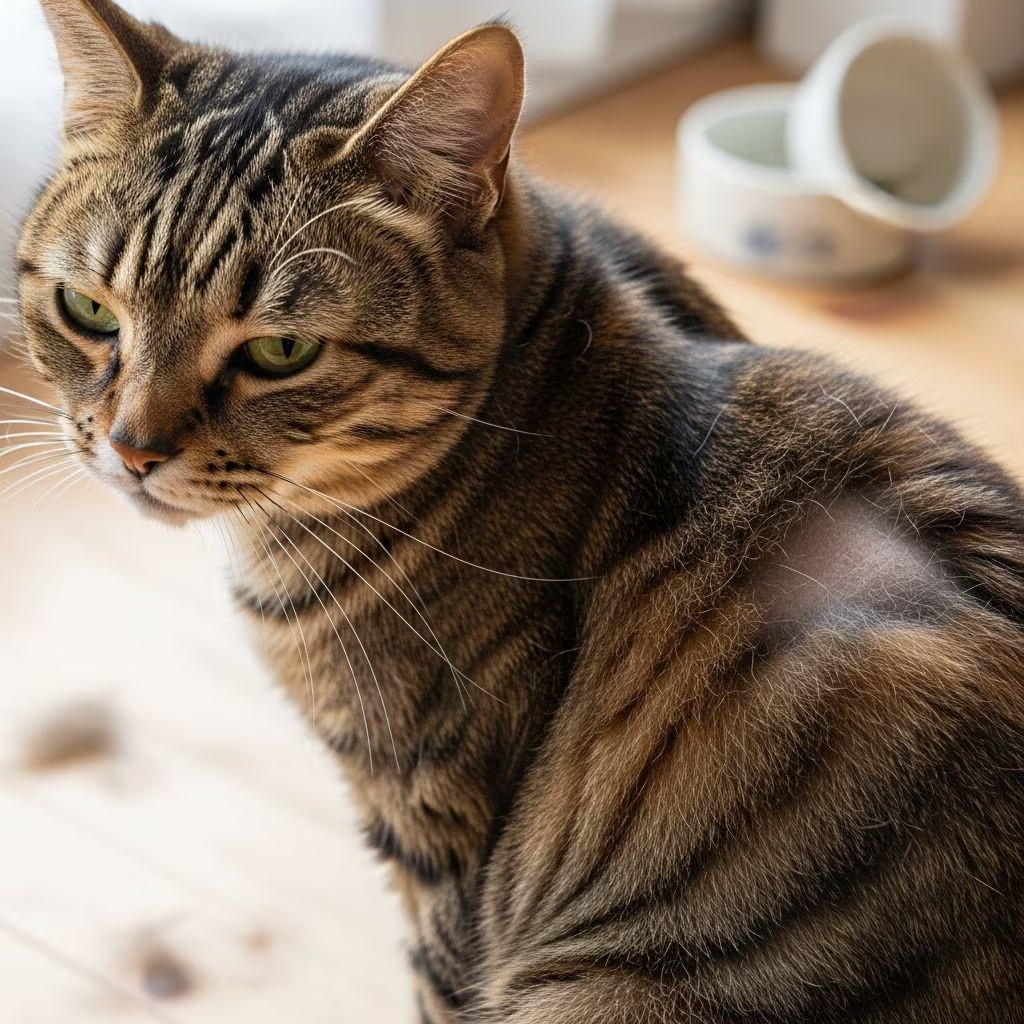
Excessive hair loss in cats, known as alopecia, reveals bald patches or thinning fur, often signaling underlying health problems. This condition affects cats of all ages and breeds, stemming from parasites, allergies, infections, hormonal issues, or behavioral factors like stress.
Recognizing the Signs of Feline Hair Loss
Cat owners might first notice patchy bald spots on the belly, legs, back, or tail base. Unlike normal shedding, alopecia leaves symmetrical or localized areas of exposed skin, sometimes with redness, scaling, or scabs. Other indicators include overgrooming, where cats lick excessively, or visible scratching that worsens the loss.
- Sudden bald patches: Often round or irregular, especially from infections or parasites.
- Diffuse thinning: Gradual across the body, linked to nutrition or hormones.
- Accompanied itching: Red, inflamed skin from allergies or fleas.
- No itch but bald: Possible genetic or endocrine causes.
Monitor for secondary signs like weight changes, lethargy, or appetite shifts, which point to systemic issues. Early detection prevents complications like infections.
Primary Culprits Behind Your Cat’s Balding
Hair loss rarely occurs in isolation; it’s typically a symptom of irritation or imbalance. Veterinary sources consistently highlight parasites, allergies, and infections as top triggers.
Parasitic Infestations
Fleas, mites, and lice provoke intense itching, prompting cats to scratch and groom until fur vanishes. Flea allergy dermatitis, where even one bite triggers a reaction, commonly affects the rump and thighs. Mites cause mange-like patches, while lice lead to scruffy coats.
| Parasite Type | Common Locations | Key Signs |
|---|---|---|
| Fleas | Base of tail, back | Black specks (flea dirt), jumping insects |
| Mites | Ears, face, body | Crusty ears, intense itch |
| Lice | Neck, back | Dull fur, visible nits |
Prevent with monthly topicals or collars; check bedding regularly.
Allergic Reactions
Allergies rank high, with food sensitivities, environmental pollen, or flea saliva causing dermatitis. Affected cats develop itchy skin, leading to self-induced baldness on flanks or abdomen. Contact allergies from cleaners or fabrics create localized spots. Diagnosis often involves elimination diets or testing.
Fungal and Bacterial Infections
Ringworm, a contagious fungus, produces classic circular bald areas with scaly edges, thriving in multi-pet homes or shelters. Bacterial overgrowth from scratches adds pus or odor. Both spread via spores or contact, requiring medicated shampoos and isolation.
Hormonal and Systemic Disorders
Hyperthyroidism in seniors accelerates metabolism, thinning fur alongside weight loss and hyperactivity. Cushing’s disease elevates cortisol, weakening skin. Feline leukemia impairs immunity, fostering secondary alopecia. Blood tests confirm these.
Psychogenic Overgrooming
Stress from moves, new pets, or boredom drives excessive licking, creating bald belly or legs. This behavioral alopecia mimics medical causes but lacks inflammation.
When Age Plays a Role
Senior cats naturally shed more due to slower hair cycles, but sudden loss warrants checks for thyroid issues or kidney disease. Kittens lose fur from malnutrition or ringworm.
Diagnosis: Steps to Uncover the Root Cause
Vets start with a physical exam, skin scrapes for parasites, and fungal cultures. Biopsies rule out autoimmune issues, while bloodwork screens hormones. Allergy trials exclude food triggers. Track patterns: symmetric loss suggests psychogenic; patchy, infectious.
- Skin cytology for bacteria/fungi.
- Flea comb exam.
- Wood’s lamp for ringworm glow.
- Endocrine panels for older cats.
Treatment Strategies for Restoration
Tailor treatments to causes: parasiticide dips for fleas, antifungals for ringworm (4-6 weeks), antihistamines or steroids for allergies. Hyperthyroidism needs medication or surgery.
Home Care Essentials
- Groom gently with soft brushes to remove loose fur.
- Bathe sparingly with hypoallergenic shampoos.
- Omega-3 supplements support coat health.
- Stress relief via pheromone diffusers or playtime.
Avoid OTC remedies without vet approval, as they may irritate.
Preventing Future Episodes
Yearly vet visits catch issues early. Maintain flea prevention, hypoallergenic diets, and clean environments. Enrich with scratching posts and hiding spots to curb stress.
FAQs on Cat Hair Loss
Is hair loss always serious?
Not always, but persistent cases need vet evaluation to exclude diseases.
Can diet fix my cat’s bald spots?
Nutrient-rich food helps, but won’t resolve parasites or allergies alone.
How long until fur regrows?
2-6 months post-treatment, depending on cause.
Is ringworm dangerous to humans?
Yes, especially kids; wash hands and vacuum thoroughly.
Does shaving help?
No, it stresses cats and risks ingrown hairs.
References
- Alopecia in Cats: What It Is and Why Your Cat Is Losing Hair — PetMD. 2023-05-15. https://www.petmd.com/cat/conditions/skin/alopecia-cats-what-it-and-why-your-cat-losing-hair
- Why Is My Cat Losing Hair? — Dyer Animal Clinic. 2024-02-10. https://dyeranimalclinic.com/blog/cat-losing-hair/
- Why Is My Cat Losing Hair? – Crown Point — Coyne Veterinary Center. 2023-11-20. https://coynevetcare.com/blog/cat-losing-hair-crown-point-in/
- Cat Losing Hair? Causes and When to Worry — Fulton County Vet Clinic. 2024-01-05. https://fultoncountyvetclinic.com/blog/cat-losing-hair/
- Cat Hair Loss: Causes and Treatment — Best Friends Animal Society. 2023-08-12. https://bestfriends.org/pet-care-resources/cat-hair-loss-causes-and-treatment
- Reasons Your Cat’s Hair is Falling Out — The Ridge Veterinary Clinic. 2024-03-18. https://theridgevet.com/articles/cats-hair-is-falling-out



