

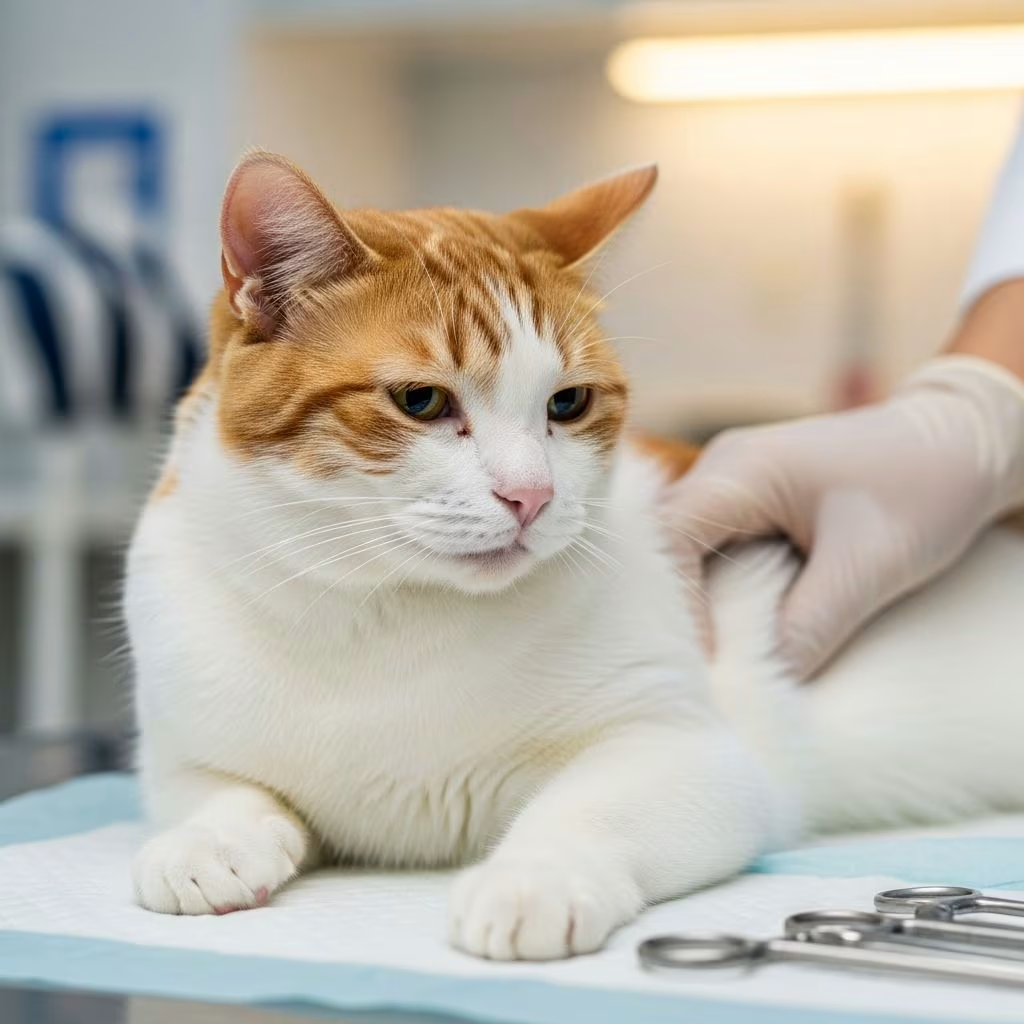
Cats are masters of hiding discomfort, but digestive troubles often betray them through obvious signs like vomiting or loose stools. Understanding these issues empowers owners to act swiftly, preventing escalation into serious health concerns. This guide dives deep into prevalent feline gastrointestinal challenges, drawing from veterinary expertise to outline symptoms, triggers, diagnostic approaches, and tailored solutions.
Why Cats Face Digestive Distress
The feline digestive system is a finely tuned machine, processing meals with precision. Yet, vulnerabilities abound: sensitive stomachs react to dietary shifts, parasites infiltrate unnoticed, and hair ingestion leads to blockages. Stress, infections, or allergies compound risks, especially in multi-pet homes or with outdoor access. Early vigilance—watching for changes in appetite, litter habits, or energy—can avert complications like dehydration or malnutrition.
Key factors include abrupt food switches without gradual transitions, which disrupt gut flora; exposure to pathogens via hunting or shared bowls; and age-related declines in older cats. Proactive care, such as routine deworming and hydration encouragement, forms the first defense line.
1. Acute Gastroenteritis: Sudden Tummy Upsets
Sudden bouts of vomiting and diarrhea signal acute gastroenteritis, an inflammation of the stomach and intestines often sparked by dietary indiscretions, bacterial invasions, viral assaults, or parasitic loads. Cats may produce voluminous, soft-serve-like stools multiple times daily, accompanied by foamy bile vomits, dry heaves post-meals, and abdominal tenderness shown through hunched postures or abdomen avoidance.
Dehydration strikes fast in these cases, manifesting as sunken eyes, tacky gums, or skin tenting. While many episodes resolve with supportive care, persistent symptoms beyond 24-48 hours demand veterinary intervention to rule out obstructions or toxins.
Treatment Blueprint for Gastroenteritis
- Rehydration Priority: Oral, subcutaneous, or IV fluids restore electrolytes like sodium and potassium, combating shock risks.
- Medications: Anti-emetics (e.g., maropitant/Cerenia) curb vomiting; antibiotics like metronidazole target bacterial culprits; protectants such as famotidine shield the stomach lining.
- Dietary Reset: Withhold food 8-12 hours, then introduce small, frequent servings of highly digestible, bland fare—boiled chicken and rice or vet-prescribed formulas with prebiotics.
Prognosis shines bright with prompt care; most cats rebound swiftly. Monitor for relapse, as underlying issues like pancreatitis may lurk.
2. Persistent Diarrhea and Colitis Challenges
Chronic loose stools, sometimes tinged with blood or mucus, point to colitis or broader inflammatory conditions. Triggers span infections, food intolerances, stress, or immune dysregulation. Affected cats strain in the box, producing small volumes frequently, often with urgency.
Long-term cases erode quality of life, causing weight dips and lethargy. Unlike acute flares, these demand detective work: fecal tests for parasites, allergy trials, or endoscopy for inflammation confirmation.
| Symptom | Possible Cause | Initial Home Step |
|---|---|---|
| Bloody diarrhea | Colitis/parasites | Increase fiber, hydrate |
| Mucoid stools | IBD onset | Bl bland diet trial |
| Frequent small amounts | Large bowel irritation | Probiotics consult |
Overcoming Chronic Diarrhea
Treatment hinges on root causes: antiparasitics for worms, fiber-rich diets for motility issues, or immunosuppressants for inflammation. Soluble fibers bulk stools, while antibiotics or anti-inflammatories like glucocorticoids calm flares. Recurrence is common in idiopathic colitis, necessitating lifelong management.
3. Vomiting and Regurgitation: Not Always Hairballs
Frequent vomiting—undigested food, bile, or foam—stems from gastritis, motility disorders, or toxin exposures. Hairballs masquerade as vomits but involve cylindrical masses from grooming. True vomiting involves retching; regurgitation is passive.
Chronic cases link to IBD or hyperthyroidism. Track frequency: occasional hairballs are normal; daily episodes signal distress.
- Hairball Prevention: Malt pastes lubricate passages; high-fiber foods or pumpkin puree aid expulsion. Brush regularly to minimize ingestion.
- Medical Aids: Appetite stimulants if anorexia sets in; anti-nausea drugs for control.
4. Intestinal Parasites: Silent Saboteurs
Worms like roundworms, hookworms, or giardia wreak havoc undetected, causing pot-bellied swells, poor coats, diarrhea, and stunted growth in kittens. Adults shed eggs intermittently, evading casual checks.
Fecal flotation or antigen tests confirm infestations. Dewormers—praziquantel for tapeworms, fenbendazole for others—clear loads effectively. Monthly preventives shield against reinfection, vital for hunters or flea-exposed cats.
5. Constipation and Megacolon: The Blocked Pipeline
Infrequent, hard stools or box avoidance define constipation, escalating to obstipation (no feces despite efforts) or megacolon (dilated, dysfunctional colon). Culprits: dehydration, low-fiber diets, matted hair, or pelvic injuries.
Signs include straining, plant-eating for fiber, or tenesmus. Severe cases risk toxemia.
Relief Strategies
- Hydration Boost: Wet foods, fountains, or canned additions increase moisture.
- Fiber Therapy: Psyllium or canned pumpkin softens masses.
- Advanced Care: Enemas under vet supervision; surgery for megacolon.
6. Inflammatory Bowel Disease: The Chronic Enigma
IBD fuses immune overreactions with gut walls, yielding intermittent vomiting, diarrhea, weight loss, and appetite loss. Biopsies confirm lymphocytic or eosinophilic infiltrates; causes elude—genetics, diet, microbes suspected.
Trials exclude parasites first. Hypoallergenic proteins (novel like duck/venison) test allergies; high-fiber, low-fat diets soothe.
Medications layer on: metronidazole initially, then steroids tapered slowly. Immunosuppressants like chlorambucil handle refractory cases, with blood monitoring for marrow suppression.
Diagnostic Pathways: Unraveling the Mystery
Vets deploy fecal analyses, bloodwork, imaging (ultrasound/X-rays), and endoscopy. History—diet history, travel, meds—guides. Early diagnostics prevent cascades like hepatic lipidosis from anorexia.
Prevention: Building a Resilient Gut
- Gradual diet transitions over 1-2 weeks.
- Routine parasite controls and vaccines.
- Probiotics/prebiotics for flora balance.
- Stress reduction via enrichment, stable routines.
- Weight management to ease abdominal strain.
When to Rush to the Vet
Red flags: >24-hour vomiting/diarrhea, blood in stools, extreme lethargy, refusal of water, or collapse. Kittens, seniors, or chronic patients merit immediate care.
FAQs on Feline Digestive Health
What home remedies soothe mild cat diarrhea?
Bland diets, probiotics, and hydration help short-term, but vet approval is essential to avoid masking issues.
Can stress cause cat constipation?
Yes, it slows motility; pheromone diffusers or play mitigate.
How long before IBD symptoms improve on new food?
Weeks to months; strict adherence, no treats.
Are hairballs dangerous?
Often not, but recurrent ones signal dehydration or IBD.
What’s the best diet for sensitive cat stomachs?
Highly digestible with prebiotics; vet-recommended brands excel.
References
- Disorders of the Stomach and Intestines in Cats — Merck Veterinary Manual. 2023. https://www.merckvetmanual.com/cat-owners/digestive-disorders-of-cats/disorders-of-the-stomach-and-intestines-in-cats
- Gastroenteritis in Cats — VCA Animal Hospitals. 2024. https://vcahospitals.com/know-your-pet/gastroenteritis-in-cats
- Cat Digestive Problems: Symptoms, Diagnosis, and Treatment — GSAH Vet. 2022-04-25. https://www.gsahvet.com/site/blog/2022/04/25/cat-digestive-problems
- 7 Common GI Problems in Cats — PetMD. 2024. https://www.petmd.com/cat/common-gi-problems-cats
- Upset Stomach in Cats — Chewy Education. 2023. https://www.chewy.com/education/cat/health-and-wellness/upset-stomach-in-cats
- Inflammatory Bowel Disease — Cornell University College of Veterinary Medicine. 2024. https://www.vet.cornell.edu/departments-centers-and-institutes/cornell-feline-health-center/health-information/feline-health-topics/inflammatory-bowel-disease
- Recognizing Digestive Issues in Cats and Dogs — Hillsboro Vet Care. 2024. https://www.hillsborovetcare.com/blog/recognizing-digestive-issues-in-cats-and-dogs



