
Cat Gut Parasites Guide
Discover common intestinal parasites in cats, their symptoms, diagnosis, treatment options, and prevention strategies for healthier feline companions.
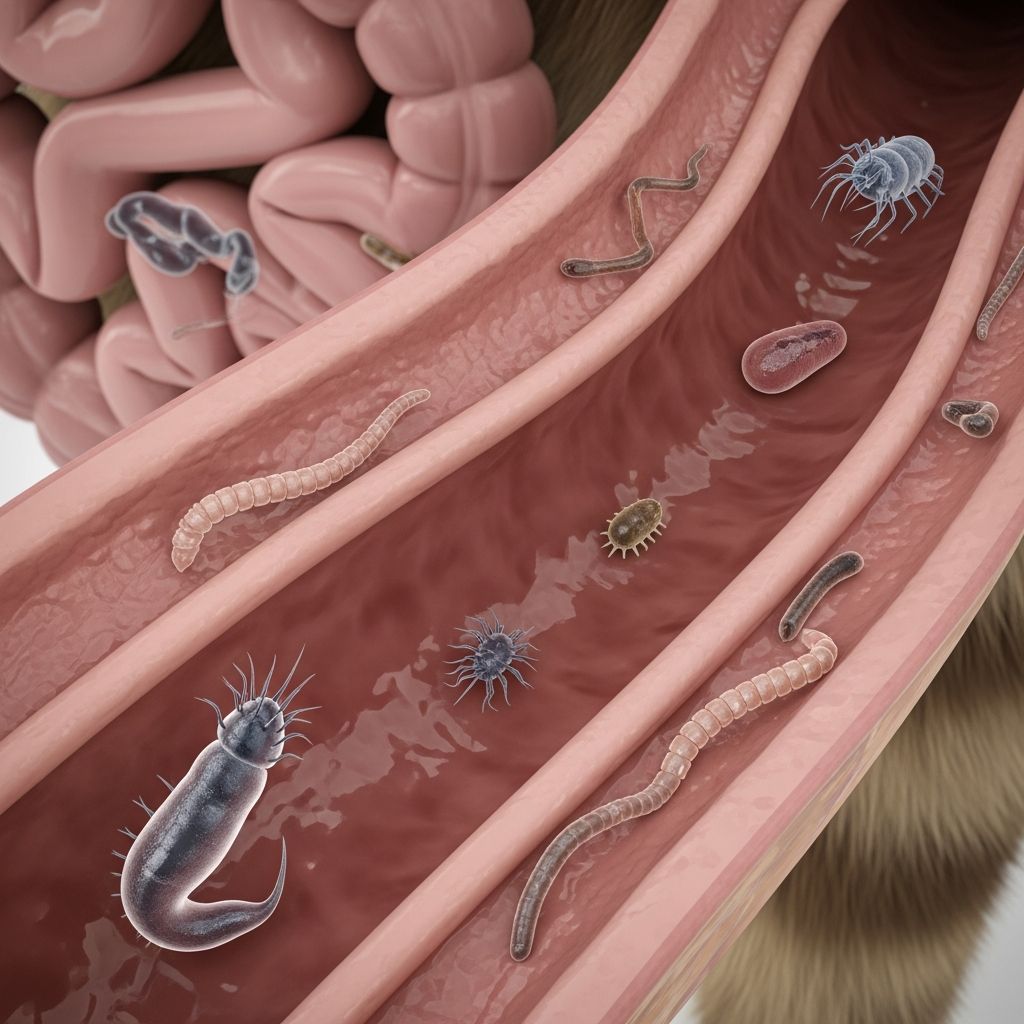
Intestinal parasites pose a significant threat to cats, particularly kittens and those with compromised immunity. These organisms, including worms and single-celled protozoans, inhabit the digestive tract, leading to malnutrition, anemia, and other severe complications if untreated. Prevalence can reach up to 45% in some cat populations, making awareness essential for pet owners.
Why Intestinal Parasites Matter for Cats
Cats acquire these parasites through various routes, such as ingesting contaminated soil, prey, or fleas. Kittens are especially at risk due to immature immune systems and potential transmission from nursing mothers. Adult cats may show subtle signs, but heavy infestations can cause life-threatening issues like intestinal blockages or organ damage. Early detection through routine veterinary check-ups is crucial.
Main Types of Feline Intestinal Parasites
Cats face a range of gut invaders, divided into worm-like nematodes and cestodes, plus microscopic protozoans. Understanding each helps in targeted management.
Nematodes: Roundworms and Hookworms
Roundworms, primarily Toxocara cati and Toxascaris leonina, are the most frequent, affecting 25-75% of cats, especially young ones. These cream-colored worms, 3-5 inches long, float freely in the intestines, feeding on host nutrients. Eggs pass in feces, maturing in the environment before reinfecting via ingestion or milk transmission to kittens.
Hookworms attach to intestinal walls, sucking blood and causing anemia. They spread through skin penetration from contaminated environments or oral ingestion.
Cestodes: Tapeworms
Tapeworms like Dipylidium caninum and Taenia taeniaeformis require intermediate hosts such as fleas or rodents. Cats ingest infected fleas during grooming, allowing segments to mature in the gut. Rice-like proglottids may appear near the anus.
Protozoan Parasites: Coccidia and Giardia
Coccidia cause coccidiosis, thriving in stressed or young cats. Giardia, another protozoan, contaminates water sources, leading to malabsorption. Unlike worms, these do not respond to standard dewormers.
Recognizing Symptoms of Infestation
Signs vary by parasite and load but often overlap. Many cats remain asymptomatic, complicating detection without testing.
- General indicators: Lethargy, dull coat, pot-bellied appearance, poor appetite.
- Digestive issues: Diarrhea (sometimes bloody or mucousy), vomiting, excessive gas, weight loss despite normal eating.
- Severe cases: Anemia (pale gums), coughing, stunted growth in kittens, visible worms in stool or vomit.
Kittens with roundworms may develop bloated abdomens from worm masses, risking blockages. Tapeworm effects include unthriftiness and variable appetite.
How Cats Contract These Parasites
Transmission pathways are diverse:
- Fecal-oral route: Ingesting eggs from contaminated soil, litter, or prey.
- Vertical transmission: From mother to kittens via placenta or milk (common for roundworms).
- Vector-borne: Fleas for tapeworms; skin penetration for hookworms.
- Environmental: Puddles or unclean water harboring Giardia.
Outdoor cats and those in multi-pet homes face higher risks.
Diagnosis: Veterinary Fecal Analysis
Suspected cases require stool examination via fecal flotation or microscopy to detect eggs, larvae, or cysts. Multiple samples may be needed due to intermittent shedding. Advanced tests like PCR confirm protozoans. Visible worms in feces or vomit aid preliminary identification, but professional confirmation ensures accurate treatment.
Treatment Strategies for Infected Cats
Veterinarians prescribe broad-spectrum dewormers based on findings. Treatment protocols differ by parasite type.
| Parasite | Common Treatments | Duration |
|---|---|---|
| Roundworms/Hookworms | PyRANTel, Fenbendazole, Milbemycin | 2-3 doses, 2 weeks apart |
| Tapeworms | Praziquantel, Epsiprantel | Single or repeat dose |
| Coccidia | Sulfadimethoxine, Toltrazuril | Up to 3 weeks |
| Giardia | Metronidazole, Fenbendazole | 5-7 days |
Kittens or severely affected cats may need supportive care like fluids, probiotics, or hospitalization. Repeat testing post-treatment verifies clearance.
Prevention: Keeping Parasites at Bay
Proactive measures reduce reinfection risks:
- Monthly preventives: Heartworm products covering intestinal worms (e.g., topical/oral combos).
- Flea control: Essential for tapeworm prevention.
- Hygiene: Daily litter scooping, prompt feces disposal, discourage hunting.
- Routine deworming: Kittens from 3-4 weeks, repeated until 6 months; adults per vet schedule.
- Environment: Clean with parasite-killing disinfectants; avoid raw meat diets.
Indoor living minimizes exposure.
Special Considerations for Kittens and Seniors
Kittens under 6 months need aggressive protocols due to growth impacts and higher mortality. Pregnant queens should be dewormed pre-breeding. Seniors or immunocompromised cats benefit from quarterly fecal checks.
Zoonotic Risks: Protecting Your Family
Some parasites like Toxocara cati can infect humans, especially children via contaminated soil. Hookworms penetrate skin. Practice handwashing after handling litter and discourage geophagia. Cats pose low risk with proper care, unlike dogs for some strains.
Frequently Asked Questions (FAQs)
Can indoor cats get intestinal parasites?
Yes, via fleas, contaminated food, or vertical transmission, though outdoor cats are at higher risk.
How often should I deworm my cat?
Kittens: Every 2 weeks until 3 months, then monthly to 6 months. Adults: Per vet recommendation, often quarterly.
Are over-the-counter dewormers safe?
Not always; consult a vet for proper dosing to avoid resistance or toxicity.
What if my cat shows no symptoms?
Asymptomatic carriers spread parasites; routine fecal exams are vital.
Do natural remedies work for cat worms?
Limited evidence; veterinary medications are proven effective.
Long-Term Management and Monitoring
After treatment, monitor for recurrence through weight tracking, stool consistency, and energy levels. Annual wellness exams with fecal tests catch issues early. Multi-pet households require simultaneous treatment to prevent ping-ponging infections.
References
- Gastrointestinal Parasites of Cats — Cornell University College of Veterinary Medicine. 2023. https://www.vet.cornell.edu/departments-centers-and-institutes/cornell-feline-health-center/health-information/feline-health-topics/gastrointestinal-parasites-cats
- Intestinal Parasites in Cats — Northeast Animal Hospital. 2024. https://northeastanimalhospital.com/cat-intestinal-parasites
- Gastrointestinal Parasites of Cats — Merck Veterinary Manual. 2025. https://www.merckvetmanual.com/cat-owners/digestive-disorders-of-cats/gastrointestinal-parasites-of-cats
- Internal Parasites in Cats — VCA Animal Hospitals. 2024. https://vcahospitals.com/know-your-pet/internal-parasites-in-cats
- Intestinal parasites in cats and dogs — American Veterinary Medical Association (AVMA). 2023. https://www.avma.org/resources-tools/pet-owners/petcare/intestinal-parasites-cats-and-dogs
Similar Articles








Read full bio of Sneha Tete




