

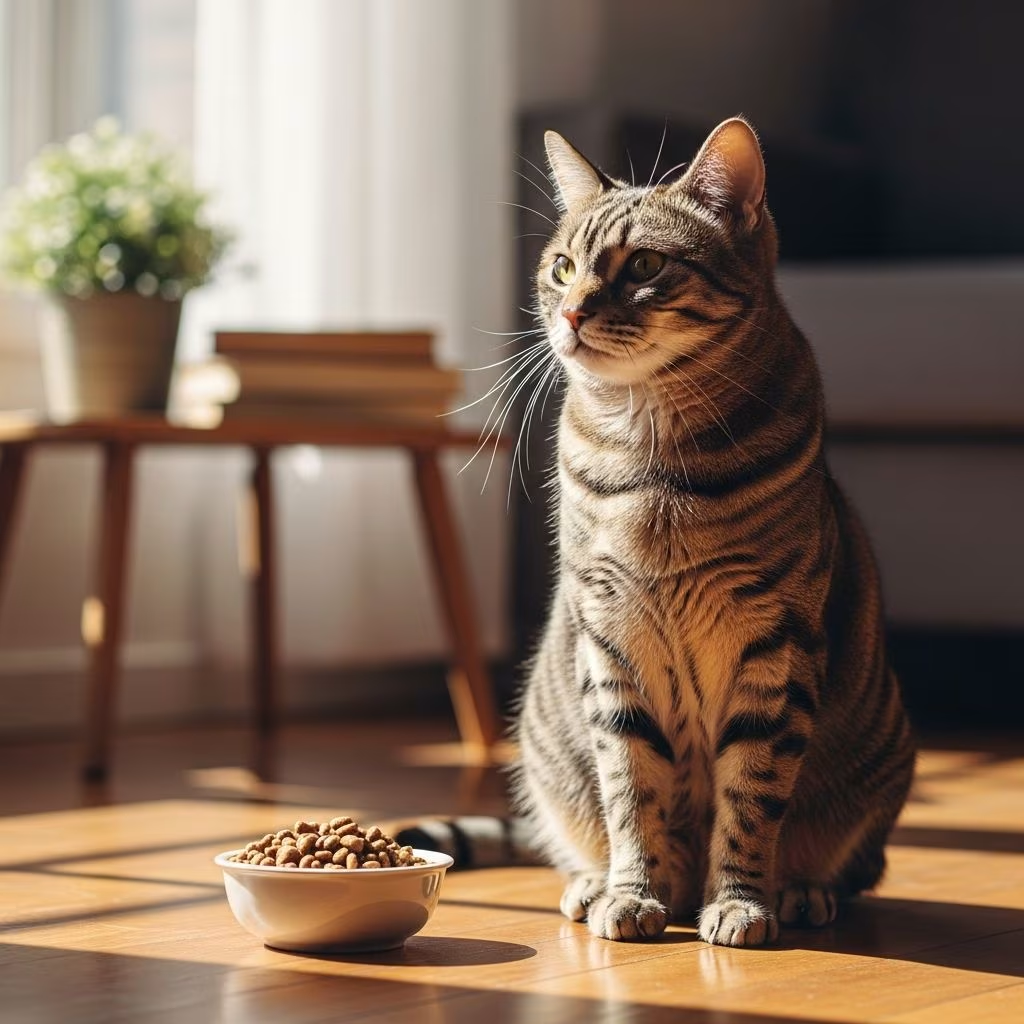
The gastrointestinal system plays a vital role in a cat’s overall well-being, handling digestion, nutrient absorption, and waste elimination. When disruptions occur, they can lead to discomfort, nutritional deficiencies, and serious health complications. Understanding these issues empowers cat owners to act swiftly, improving their pet’s quality of life.
Key Indicators of Feline Digestive Distress
Observing changes in your cat’s behavior and bodily functions is crucial for early detection. Common signals include persistent vomiting, which may stem from stomach or upper intestinal irritation, often presenting as undigested food or bile. Diarrhea varies from loose stools to watery discharge, sometimes containing blood if the lower gut is affected. Weight loss despite normal or increased eating suggests malabsorption, where nutrients fail to be properly taken up.
Other signs encompass lethargy, reduced appetite, abdominal tenderness shown through hunching or sensitivity to touch, and dehydration evidenced by dry gums or sunken eyes. Constipation manifests as straining with minimal fecal output, producing hard, dry pellets. Excessive drooling or lip-licking can indicate nausea, while bloating or gas points to fermentation issues in the intestines.
- Vomiting: Frequent or projectile, possibly with blood.
- Diarrhea: Loose, frequent, or bloody stools.
- Constipation: Infrequent, hard stools with straining.
- Appetite changes: Sudden refusal of food or polyphagia.
- Weight fluctuations: Unexplained loss or gain.
- Behavioral shifts: Restlessness, hiding, or vocalizing pain.
Prevalent Gastrointestinal Conditions in Cats
Cats face a spectrum of digestive ailments, ranging from acute to chronic. Acute gastroenteritis involves sudden tract inflammation, triggered by spoiled food, toxins, parasites, or stress, leading to short-term vomiting and diarrhea.
Chronic issues like inflammatory bowel disease (IBD) feature ongoing inflammation from immune cell infiltration, thickening gut walls and impairing function. It predominantly affects middle-aged to senior cats, causing variable symptoms based on affected regions—vomiting for upper GI, diarrhea for colonic involvement.
| Condition | Primary Symptoms | Common Triggers |
|---|---|---|
| Acute Gastroenteritis | Vomiting, diarrhea | Food spoilage, parasites, stress |
| Inflammatory Bowel Disease | Weight loss, chronic vomiting/diarrhea | Immune issues, allergies |
| Constipation | Straining, hard stools | Dehydration, hair ingestion |
| Diarrhea | Loose stools, urgency | Infections, diet changes |
| Pancreatitis | Vomiting, pain, lethargy | Unknown, infections |
Parasitic infestations, such as roundworms or giardia, disrupt gut flora and cause diarrhea, vomiting, and poor growth, especially in kittens or outdoor cats. Hairballs result from grooming, forming blockages if frequent. Foreign bodies, like swallowed toys, lead to obstructions requiring urgent intervention.
Irritable bowel syndrome links to stress and food sensitivities, producing intermittent discomfort without structural damage. Colitis inflames the large intestine, yielding mucus-laden, bloody stools. Malabsorption syndromes present with nutrient loss, evident in voluminous, greasy feces and failure to thrive.
Root Causes Behind Feline GI Disruptions
Diversified factors contribute to these disorders. Infectious agents—bacteria, viruses like feline enteric coronavirus, and parasites—initiate many acute cases. Dietary indiscretions, including abrupt food switches, table scraps, or garbage scavenging, provoke rapid upset.
Allergies and intolerances to proteins or carbohydrates underlie chronic inflammation, as in IBD. Environmental stressors exacerbate symptoms, altering gut motility and permeability. Age-related changes reduce resilience, while breeds like Siamese may show predispositions.
Systemic diseases, including hyperthyroidism, kidney failure, or neoplasia, manifest initially as GI signs. Pancreatitis, often idiopathic, involves pancreatic enzyme leakage, compounding digestive woes. Dehydration from any source hardens stools, promoting constipation.
Diagnostic Approaches for Accurate Assessment
Veterinarians employ a stepwise process. History-taking reveals onset, diet, and environment. Physical exams check hydration, abdominal palpation for masses or pain, and temperature.
Fecal analysis detects parasites or blood. Bloodwork evaluates organ function, inflammation markers, and nutritional status. Imaging—radiographs or ultrasound—identifies obstructions, thickenings, or fluid. Endoscopy or biopsy confirms IBD or cancer, sampling affected tissues.
Trials like hypoallergenic diets or deworming guide presumptive diagnoses. Advanced tests, such as pancreatic enzyme assays, target specific suspicions.
Treatment Strategies Tailored to the Issue
Management hinges on cause and severity. Parasite clearance uses targeted anthelmintics, administered per fecal results. Fluid therapy combats dehydration via injections or orals.
Anti-emetics control vomiting; antidiarrheals firm stools cautiously. For IBD, immunosuppressants like steroids reduce inflammation, alongside novel protein diets. Probiotics restore microbiota balance.
Constipation resolves with laxatives, enemas, or cisapride for motility. Surgical removal addresses obstructions or tumors. Nutritional support—bland, high-fiber, or hydrolyzed formulas—eases recovery. Chronic cases demand lifelong monitoring and diet adjustments.
Preventive Measures for Sustained Gut Health
Proactive steps minimize risks. Feed consistent, quality diets matching life stage, avoiding human foods. Gradual transitions prevent shocks. Regular deworming and flea control curb parasites.
Provide ample fresh water, fountains encouraging intake. Grooming reduces hairballs; brush routinely. Stress mitigation via enrichment, stable routines aids. Annual vet checkups catch subclinical issues early.
Monitor weight and litter habits weekly. Vaccinations protect against viral gastroenteritis.
FAQs on Feline Digestive Wellness
What triggers sudden diarrhea in cats?
Diet changes, infections, or stress commonly cause acute diarrhea; persistent cases warrant vet evaluation for parasites or IBD.
Can hairballs lead to serious problems?
Yes, chronic hairballs cause constipation or blockages; hairball formulas and brushing help prevent escalation.
How is IBD diagnosed definitively?
Biopsy via endoscopy provides the gold standard, after ruling out other causes with bloodwork and imaging.
Is wet food better for digestion?
It boosts hydration, aiding motility, but quality dry foods with fibers also support gut health; consult vets for specifics.
When should I rush my cat to the vet?
Immediate action for repeated vomiting, bloody stools, extreme lethargy, or pain signs.
Long-Term Management for Chronic Conditions
Cats with enduring issues like IBD benefit from tailored plans. Hydrolyzed or limited-ingredient diets minimize allergens. Supplements—omega-3s, prebiotics—bolster mucosa. Stress reduction via pheromones or play therapy proves effective.
Regular monitoring tracks response; adjust therapies as needed. Owner education on symptom diaries ensures compliance. Multidisciplinary approaches, including nutritionists, optimize outcomes.
References
- Inflammatory Bowel Disease — Cornell University College of Veterinary Medicine. Accessed 2026. https://www.vet.cornell.edu/departments-centers-and-institutes/cornell-feline-health-center/health-information/feline-health-topics/inflammatory-bowel-disease
- Disorders of the Stomach and Intestines in Cats — Merck Veterinary Manual. Accessed 2026. https://www.merckvetmanual.com/cat-owners/digestive-disorders-of-cats/disorders-of-the-stomach-and-intestines-in-cats
- Cat Digestive & Gastro Disorders — Hill’s Pet. Accessed 2026. https://www.hillspet.com/cat-care/healthcare/feline-digestive-disorders
- 7 Common GI Problems in Cats — PetMD. Accessed 2026. https://www.petmd.com/cat/common-gi-problems-cats
- Introduction to Digestive Disorders of Cats — Merck Veterinary Manual. Accessed 2026. https://www.merckvetmanual.com/cat-owners/digestive-disorders-of-cats/introduction-to-digestive-disorders-of-cats



