

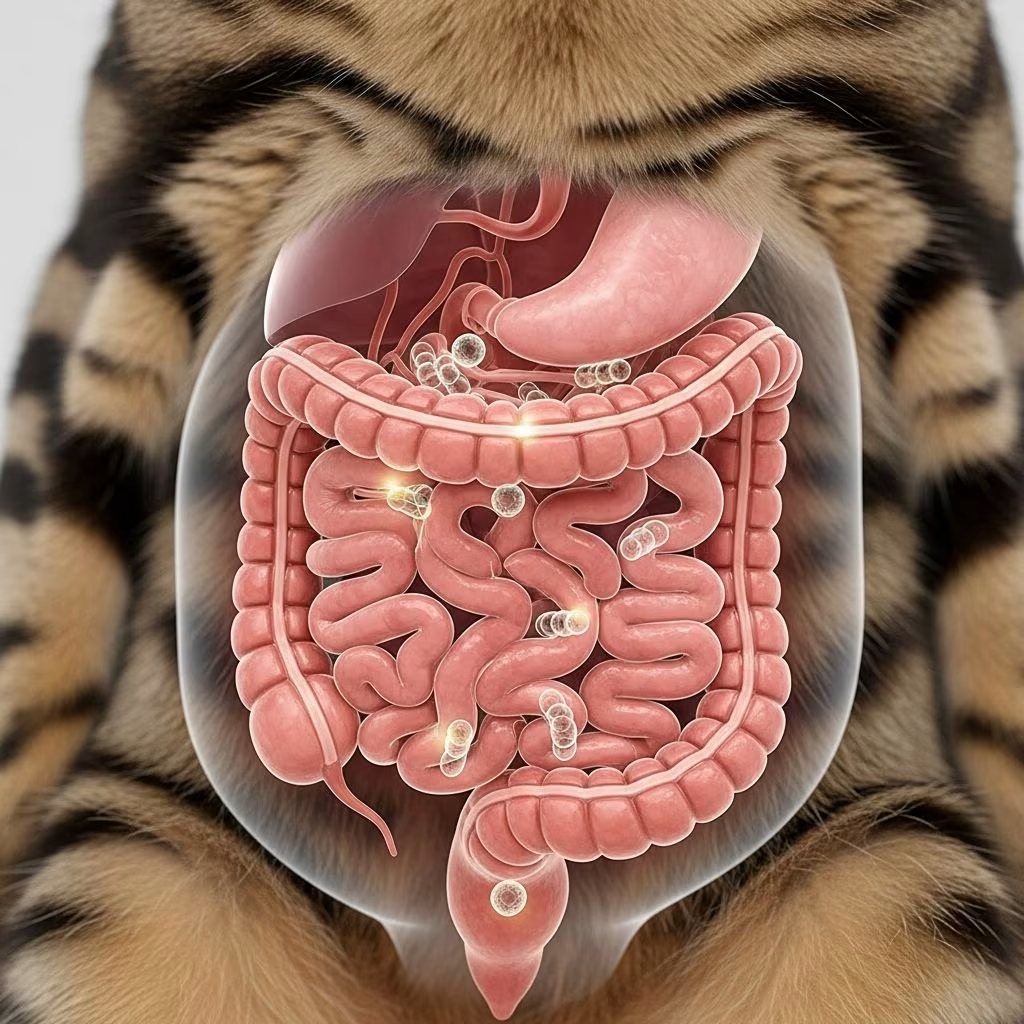
Keeping your cat’s digestive system in top shape is crucial for their overall well-being. Feline guts handle everything from nutrient absorption to waste elimination, and disruptions can lead to discomfort, dehydration, and serious health declines. This guide dives deep into common digestive problems in cats, helping owners identify issues early and take action.
Why Digestive Health Matters for Cats
Cats are obligate carnivores with short, efficient digestive tracts designed for high-protein diets. When things go wrong, it affects energy levels, coat quality, and immunity. Problems range from mild upsets to chronic conditions like inflammatory bowel disease (IBD), often linked to diet, parasites, or stress. Early detection prevents complications like malnutrition or organ strain.
Spotting the Warning Signs
Recognizing symptoms promptly can save your cat from prolonged suffering. Cats hide illness well, so vigilance is key. Common indicators include:
- Vomiting or regurgitation: Frequent episodes, especially with bile or blood, signal irritation or blockages.
- Diarrhea: Loose, frequent stools, possibly with mucus or blood, point to infections or allergies.
- Constipation: Straining with hard, dry feces or no bowel movements for days.
- Appetite changes: Sudden refusal of food or excessive hunger despite weight loss.
- Weight loss and lethargy: Unexplained slimming and reduced activity suggest malabsorption.
- Abdominal discomfort: Hunching, whining, or sensitivity when touched.
- Excessive drooling or bad breath: Often tied to nausea or oral involvement.
Other red flags: dehydration (pinched skin stays tented), fever, or bloody stools. If two or more appear, consult a vet immediately.
Common Culprits Behind Feline Tummy Troubles
Divers causes underlie these symptoms. Understanding them aids prevention.
Acute Gastroenteritis
This sudden inflammation hits the stomach and intestines, causing vomiting and diarrhea. Triggers include spoiled food, toxins, parasites, or stress. It’s usually short-lived but can dehydrate quickly if untreated.
Parasitic Infestations
Worms like roundworms, hookworms, and tapeworms thrive in cats, even indoors. They steal nutrients, irritate linings, and cause diarrhea or weight loss. Kittens and hunters are at higher risk; regular deworming is essential.
Constipation and Obstipation
Hard, infrequent stools result from dehydration, low fiber, hairballs, or megacolon—a dilated colon from chronic backup. Obstructions from foreign objects or tumors worsen it. Senior cats face higher odds due to mobility issues.
Pancreatitis
Inflammation of the pancreas disrupts digestion. Causes: unknown often, but trauma, infections, or poor blood flow play roles. Symptoms mimic other GI woes: vomiting, pain, lethargy.
Food Sensitivities and Sudden Diet Shifts
Allergies or intolerances to proteins trigger chronic issues. Abrupt food changes upset the gut microbiome. Transition slowly over 1-2 weeks.
Hairballs and Obstructions
Grooming leads to ingested fur forming trichobezoars. Most pass, but large ones block intestines, causing vomiting and distension.
Chronic Conditions: IBD and Triaditis
Inflammatory bowel disease involves immune attacks on the gut, causing intermittent diarrhea, vomiting, and weight loss. Often pairs with pancreatitis and liver issues in ‘triaditis.’ Affects middle-aged cats; breeds like Siamese may be prone.
Diagnostic Approaches for Accurate Care
Vets use history, exams, and tests to pinpoint issues:
- Physical check for dehydration, pain, masses.
- Fecal analysis for parasites, blood.
- Bloodwork for organ function, inflammation.
- Imaging: X-rays for blockages, ultrasound for thickening.
- Endoscopy or biopsy for IBD confirmation.
Table of Common Diagnostics:
| Condition | Key Tests |
|---|---|
| Parasites | Fecal float, ELISA |
| Constipation | X-ray, palpation |
| IBD | Biopsy, ultrasound |
| Obstruction | X-ray, contrast study |
| Pancreatitis | SPECKLE test, ultrasound |
These ensure targeted treatment.
Treatment Strategies Tailored to the Problem
Therapy varies by cause:
- Fluids and electrolytes: IV or subQ for dehydration.
- Anti-emetics and protectants: Control vomiting, coat the stomach.
- Dewormers: Specific meds like fenbendazole or praziquantel.
- Dietary management: Bland, hypoallergenic, or high-fiber foods.
- Laxatives/enemas: For constipation; surgery for megacolon.
- Immunosuppressants: Steroids for IBD.
- Surgery: Rare, for tumors or blockages.
Monitor response; chronic cases need lifelong plans.
Prevention: Proactive Steps for Gut Wellness
Forewarned is forearmed:
- Consistent, quality diet; gradual changes.
- Daily brushing reduces hairballs.
- Fresh water; fountains encourage drinking.
- Regular vet checkups, fecal tests.
- Clean litter boxes to avoid aversion.
- Parasite preventives year-round.
- Stress reduction: stable routines, enrichment.
Probiotics support microbiome balance post-illness.
When to Rush to the Vet
Emergencies: persistent vomiting (24+ hrs), bloody stools, severe lethargy, abdominal bloating, collapse. Don’t wait—dehydration escalates fast in cats.
FAQs on Feline Digestive Disorders
Q: How often do healthy cats poop?
A: 1-2 times daily; variations occur, but track changes.
Q: Can stress cause diarrhea in cats?
A: Yes, it alters gut motility and flora.
Q: Is wet food better for digestion?
A: Often, due to hydration and digestibility.
Q: What’s megacolon?
A: Chronic dilation from constipation; needs medical intervention.
Q: Can home remedies fix IBD?
A: No, professional diagnosis and treatment required.
Q: Why do kittens get worms easily?
A: From mother, environment; deworm routinely.
Long-Term Management for Chronic Cases
Cats with IBD or triaditis benefit from novel protein diets, B12 injections, and meds. Track weight, stools via apps. Nutritional consults optimize outcomes. Research advances like fecal transplants show promise, but consult specialists.
References
- Cat Digestive & Gastro Disorders — Hill’s Pet. 2023. https://www.hillspet.com/cat-care/healthcare/feline-digestive-disorders
- Cat Digestive Problems — Cinder Rock Vet Clinic. 2022-07-24. https://www.cinderrockvetclinic.com/site/blog/2022/07/24/cat-digestive-problems
- Disorders of the Stomach and Intestines in Cats — Merck Veterinary Manual. 2023. https://www.merckvetmanual.com/cat-owners/digestive-disorders-of-cats/disorders-of-the-stomach-and-intestines-in-cats
- Introduction to Digestive Disorders of Cats — MSD Veterinary Manual. 2023. https://www.msdvetmanual.com/cat-owners/digestive-disorders-of-cats/introduction-to-digestive-disorders-of-cats
- Feline Friendly Digestion: Top Tips — Vets Love Pets. 2023. https://vetslovepets.com.au/blogs/cat/cat-digestive-health-tips
- Understanding Gastrointestinal Issues in Cats — IAMS. 2023. https://www.iams.com/articles/understanding-gastrointestinal-issues-cats
- Inflammatory Bowel Disease — Cornell University College of Veterinary Medicine. 2023. https://www.vet.cornell.edu/departments-centers-and-institutes/cornell-feline-health-center/health-information/feline-health-topics/inflammatory-bowel-disease



