

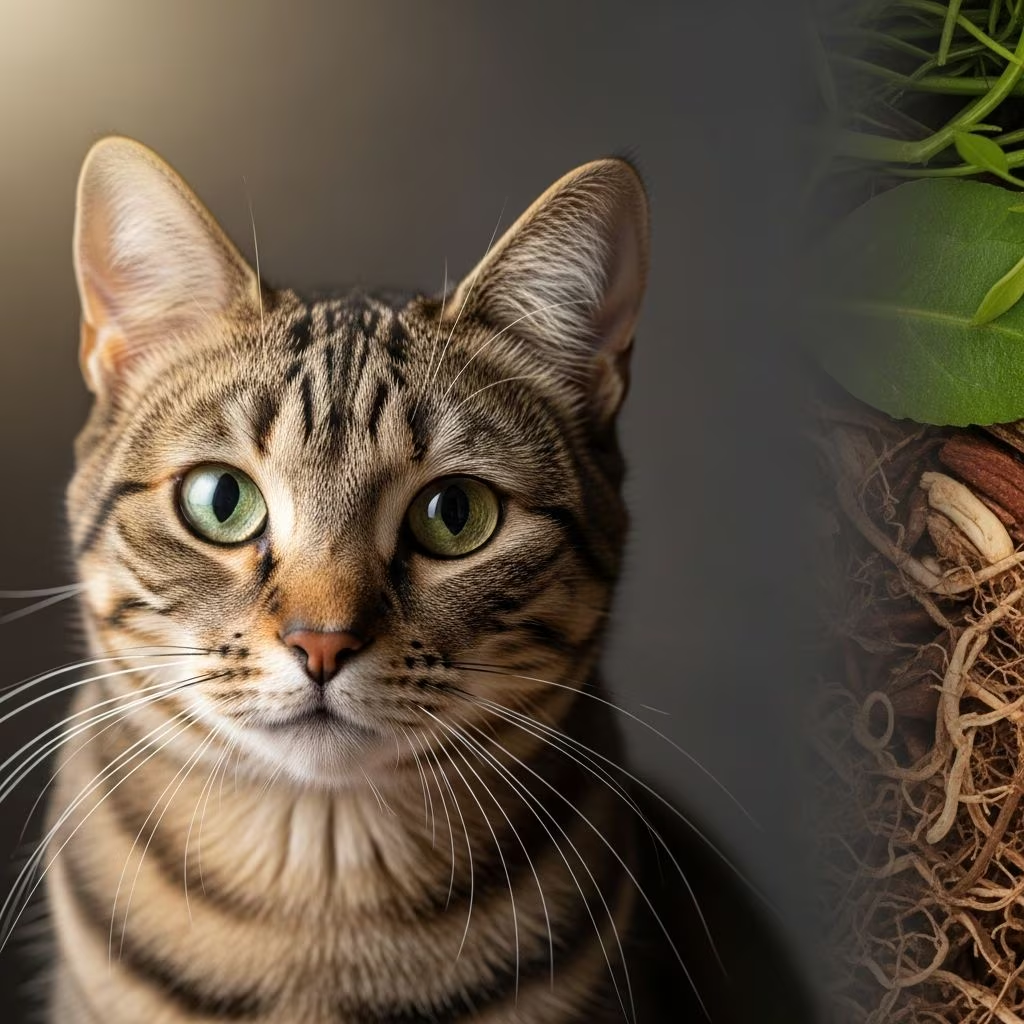
Your cat’s gut health is foundational to their overall well-being, influencing everything from energy levels to immune function. A balanced digestive system ensures proper nutrient absorption, waste elimination, and protection against illnesses. This guide delves into the intricacies of feline digestion, highlights potential problems, and offers practical solutions for lifelong vitality.
Understanding the Feline Digestive Anatomy
The digestive journey in cats starts at the mouth and concludes at the anus, involving a series of specialized organs that work in harmony. Unlike humans, cats have evolved as obligate carnivores, with a system optimized for high-protein, low-carbohydrate diets.
In the mouth, sharp teeth grasp and minimally chew prey-like foods, while the tongue manipulates chunks and saliva initiates minor enzymatic breakdown via amylase. Food then travels through the esophagus, a muscular tube about 12-15 inches long that uses peristaltic waves to propel contents to the stomach without digestion occurring here.
The stomach expands to store meals, secreting hydrochloric acid and enzymes like pepsin to liquefy proteins. Its regions—the fundus for storage and body for mixing—prevent self-digestion via protective mucus. Partially digested chyme passes through the pyloric sphincter into the small intestine, divided into duodenum (enzyme entry point), jejunum (main absorption site), and ileum. Here, pancreatic enzymes break down carbs, proteins, and fats, while liver bile emulsifies lipids for uptake.
The large intestine, including ascending, transverse, and descending colon, reabsorbs water and electrolytes, ferments remnants via bacteria, and forms feces. Accessory organs like the liver (2% of body weight), pancreas, and gallbladder supply critical juices. The rectum stores waste until expulsion via the anus.
| Organ | Primary Function | Key Features in Cats |
|---|---|---|
| Mouth & Esophagus | Ingestion & Transport | Minimal chewing; peristalsis moves food |
| Stomach | Protein Digestion & Storage | Acids liquefy food; mucus protection |
| Small Intestine | Nutrient Absorption | Pancreas/liver aid; duodenum receives juices |
| Large Intestine | Water Reabsorption & Feces Formation | Bacterial fermentation |
Key Functions of the Cat’s Gut System
The gastrointestinal tract performs digestion (breaking down food), absorption (nutrient uptake), motility (movement), and waste expulsion. Mechanical actions like chewing and churning complement chemical processes from enzymes and acids.
Peristalsis ensures efficient transit, while sphincters like the lower esophageal prevent reflux. The gut microbiome—trillions of bacteria—ferments fibers, synthesizes vitamins, and bolsters immunity, making microbiome balance crucial. Cats’ short intestines reflect their carnivorous needs, processing meat efficiently but struggling with excess carbs or dehydration.
Signs Your Cat’s Gut Health Needs Attention
Monitor for digestive distress indicators to intervene early. Common symptoms include:
- Vomiting or Regurgitation: Frequent episodes signal stomach or esophageal issues.
- Diarrhea: Loose stools from small intestine malabsorption, infections, or diet shifts.
- Constipation: Hard feces due to low water/fiber intake.
- Flatulence & Bloating: Gas from bacterial imbalance or indigestible foods.
- Appetite Loss & Weight Decline: Chronic gut problems impair nutrition.
- Blood in Stool: Indicates inflammation or parasites.
Dehydration exacerbates issues, as cats drink little naturally; observe lethargy or dry gums alongside.
Factors Disrupting Feline Gut Balance
Several elements can upset gut harmony:
- Dietary Mismatches: High-carb kibble strains the protein-focused system.
- Sudden Food Changes: Without transition, cause microbial shock.
- Stress: Alters motility and microbiome via cortisol.
- Parasites & Infections: Worms or bacteria inflame the tract.
- Low Hydration: Hinders motility and absorption.
Aging reduces enzyme output, heightening vulnerability.
Nutritional Strategies for Optimal Gut Function
Diet is paramount. Prioritize:
- High-Quality Proteins: Primary energy source; 40-50% of calories.
- Prebiotics & Fibers: Nourish good bacteria (e.g., chicory root, psyllium).
- Moisture-Rich Foods: Wet food boosts hydration.
- Omega-3 Fatty Acids: Reduce inflammation.
Gradual diet shifts over 7-10 days prevent upset. High-fiber dry options suit preferences if wet isn’t accepted.
| Nutrient | Benefit for Gut | Food Sources |
|---|---|---|
| Protein | Easy digestion, muscle repair | Chicken, fish, organ meats |
| Fiber | Regulates motility, feeds microbiome | Pumpkin, beet pulp |
| Probiotics | Balances bacteria | Yogurt, fortified kibble |
Probiotics and Prebiotics: Gut Allies
Probiotics are live beneficial microbes (e.g., Lactobacillus, Bifidobacterium) that colonize the gut, crowding out pathogens and aiding digestion. Prebiotics are fibers feeding these bacteria.
Benefits include firmer stools, reduced diarrhea, and enhanced immunity. Administer via supplements or fortified foods, especially post-antibiotics. Consult vets for strains suited to cats.
Daily Habits to Foster Gut Wellness
Implement these routines:
- Ensure constant fresh water; fountains encourage drinking.
- Feed small, frequent meals mimicking natural hunting.
- Minimize stress with play, hiding spots.
- Regular vet check-ups for deworming, vaccines.
- Track stool quality weekly.
Exercise promotes motility; interactive toys help.
When to Consult a Veterinarian
Seek professional help for persistent symptoms: vomiting >24 hours, bloody stools, severe lethargy, or unexplained weight loss. Diagnostics may include fecal tests, ultrasounds, or endoscopies. Early action prevents escalation to IBD or obstructions.
FAQs on Cat Gut Health
Can stress cause digestive problems in cats?
Yes, stress disrupts gut motility and microbiome balance, leading to diarrhea or constipation.
Is wet food better for cat digestion?
Absolutely; higher moisture aids hydration and nutrient uptake, reducing constipation risk.
How long does food take to digest in cats?
Typically 12-48 hours, varying by diet and health.
Are probiotics safe for all cats?
Generally yes, but vet approval ensures suitability, especially for kittens or seniors.
What home remedies soothe cat tummy upset?
Plain pumpkin (1 tsp) for fiber; boiled chicken/rice for bland diet—but vet first.
Long-Term Gut Health for Happy Cats
Consistent care yields resilient digestion. Tailor nutrition to life stage, monitor changes, and prioritize preventive health. A thriving gut translates to a vibrant, playful companion.
References
- Understanding Your Cat’s Digestive System: Anatomy, Common … — RAWZ Natural Pet Food. 2023. https://rawznaturalpetfood.com/cat-digestive-system/
- Structure and Function of the Gastrointestinal Tract in Cats — PetPlace. 2024. https://www.petplace.com/article/cats/pet-health/structure-and-function-of-the-gastrointestinal-tract-in-cats
- Cat Digestive System: Anatomy, Diseases, & Treatment — Cats.com. 2024. https://cats.com/cat-digestive-system
- Surgical Anatomy of the Gastrointestinal Tract in Cats — PMC – NIH. 2023-08-25. https://pmc.ncbi.nlm.nih.gov/articles/PMC10451872/
- Introduction to Digestive Disorders of Cats — Merck Veterinary Manual. 2025. https://www.merckvetmanual.com/cat-owners/digestive-disorders-of-cats/introduction-to-digestive-disorders-of-cats
- Introduction to Digestive Disorders of Cats — MSD Veterinary Manual. 2025. https://www.msdvetmanual.com/cat-owners/digestive-disorders-of-cats/introduction-to-digestive-disorders-of-cats



