

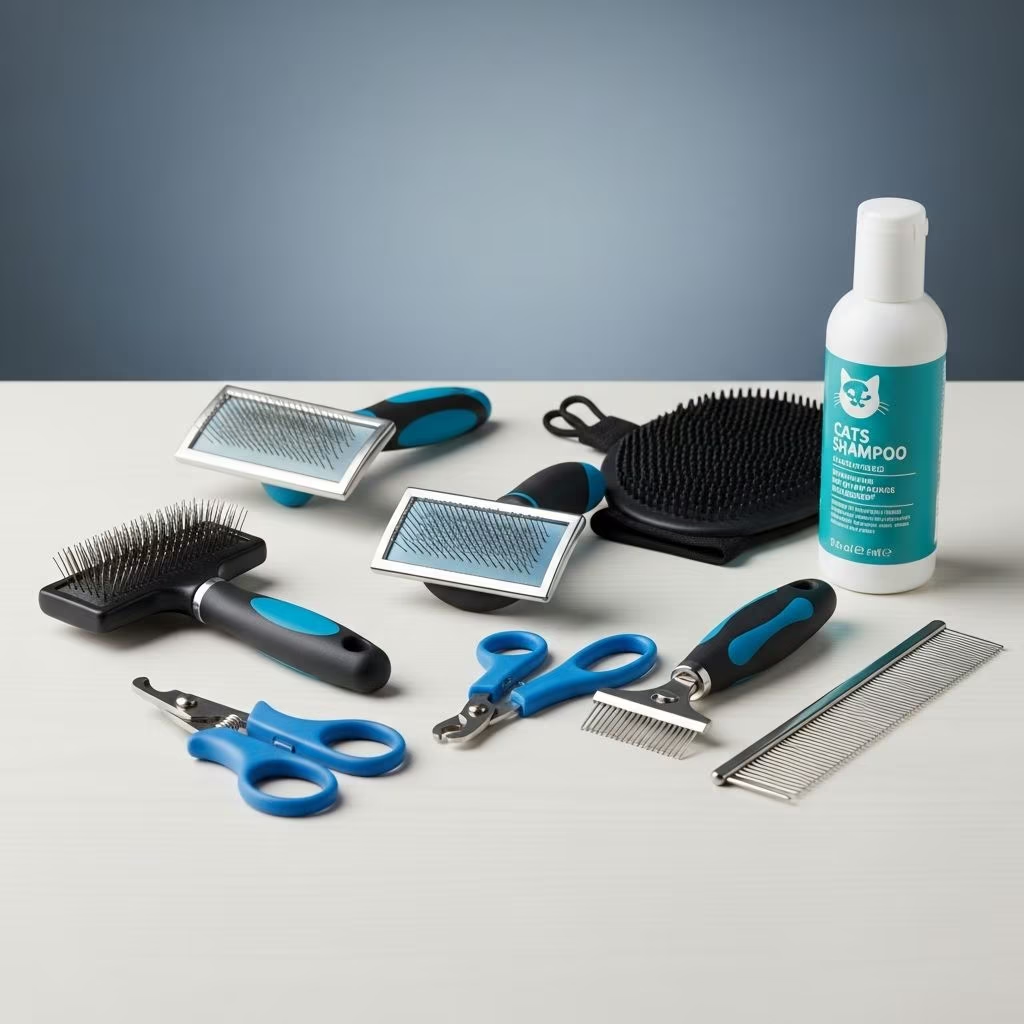
Regular grooming is vital for maintaining your cat’s health, reducing shedding, and preventing mats. The right **cat grooming tools** make the process efficient and stress-free for both you and your feline. This guide covers essential tools, how to choose based on coat type, grooming techniques, and safety tips to keep your cat’s coat shiny and skin healthy.
Why Groom Your Cat?
Grooming removes loose hair, distributes natural oils, checks for skin issues, and strengthens your bond with your cat. Cats are fastidious self-groomers, but tools help manage heavy shedding seasons and long coats prone to tangles. Benefits include reduced hairballs, healthier skin, and a glossy coat. Veterinarians recommend weekly grooming sessions to prevent health problems like overgrown nails or dental disease.
Essential Cat Grooming Tools
A basic grooming kit includes brushes, combs, nail clippers, dental tools, shampoos, wipes, and gloves. Each tool serves specific functions to promote coat health.
- Brushes and Combs: Remove loose hair, detangle, and distribute oils for shine.
- Nail Clippers: Trim claws to prevent pain, snags, and injury.
- Toothbrush and Toothpaste: Maintain oral hygiene to avoid periodontal disease.
- Cat Shampoo: Cleans without stripping natural oils; use sparingly.
- Grooming Wipes: Quick clean for face, paws, and sensitive areas.
- Grooming Gloves: Gently remove fur while mimicking petting.
Advanced tools like deshedding systems (e.g., Neakasa P0) offer clippers, brushes, and quiet operation for calm grooming.
Choosing Grooming Tools by Coat Type
Select tools based on your cat’s fur length and texture for best results. Short-haired cats need minimal tools, while long-haired breeds require more to prevent matting.
| Coat Type | Recommended Tools | Key Benefits |
|---|---|---|
| Short-Haired | Bristle brush, rubber grooming glove, shedding comb | Removes loose fur, distributes oils, gentle massage |
| Medium/Long-Haired | Slicker brush, wide-toothed comb, dematting tool | Detangles, prevents mats, deshedding |
| Curly/Wavy | Soft brush, wide-toothed comb | Gentle detangling, maintains curl shape |
Best Brushes for Cats
Slicker Brushes: Ideal for medium to long fur; fine wire bristles remove dirt, dander, and loose hair without pulling skin. Great for preventing mats in breeds like Persians.
Bristle Brushes: Perfect for short-haired cats; soft bristles polish the coat and spread oils for shine.
Pin Brushes: Gentle for sensitive skin and finishing touches.
Grooming Gloves: Rubber nubs collect fur during petting; ideal for cats averse to traditional brushes.
Combs and Dematting Tools
Wide-Toothed Combs: Start detangling from ends to roots on long fur.
Fine-Toothed Combs: Check for fleas and ease small knots.
Dematting Combs: Dual-sided blades cut through tough mats safely.
Grooming Techniques for Every Coat Type
Short-Haired Cats
Brush weekly with a slicker or bristle brush in the direction of hair growth. Use grooming gloves for daily shedding control. Focus on distributing oils for a sleek appearance.
Medium and Long-Haired Cats
Groom 2-3 times weekly. Begin with a wide-toothed comb, then slicker brush. Use deshedding tools like FURminator for undercoat removal, reducing shedding by up to 90%.
Curly or Wavy Coats
Gently detangle daily with soft brushes. Avoid pulling to preserve texture; use mat splitters for stubborn areas.
Other Essential Grooming Tools
Nail Clippers
Use cat-specific guillotine or scissor-style clippers. Trim tips only, avoiding the quick (pink vein). Frequency: Every 2-4 weeks.
Dental Care
Cat-safe toothbrush and enzymatic toothpaste. Brush 2-3 times weekly or use dental wipes.
Bathing and Shampoos
Bathe only when necessary (e.g., dirty coat) with pH-balanced cat shampoo. Waterless shampoos or wipes suffice for spot cleaning.
Ear and Eye Cleaners
Soft cloths or solutions for gentle wiping; never use cotton swabs deep in ears.
Safety Tips and Best Practices
- Introduce tools gradually with treats for positive association.
- Groom in short sessions (5-10 minutes) to avoid stress.
- Check for skin issues, lumps, or parasites during sessions.
- Clean tools after use; replace dull blades.
- For mats too tight, seek professional help to avoid injury.
Top Recommended Products
| Tool | Key Features |
|---|---|
| FURminator deShedding Tool | Reduces shedding 90%, ergonomic, gentle teeth |
| Hertzko Self-Cleaning Slicker Brush | Retractable bristles, easy cleanup |
| Safari Shedding Comb | Rounded teeth, affordable |
| Neakasa P0 Grooming System | Clippers, brushes, quiet mode |
Frequently Asked Questions (FAQs)
How often should I groom my cat?
Short-haired: Weekly. Long-haired: 2-3 times weekly. Daily for heavy shedders.
Can I use dog grooming tools on cats?
No. Cat tools are smaller, gentler, and designed for feline skin pH.
What if my cat hates grooming?
Use gloves, self-groomers, or short positive sessions with treats.
Do cats need baths?
Rarely; spot clean with wipes unless soiled.
How do I trim cat nails safely?
Press paw to extend claw, clip translucent tip only.
References
- Cat Grooming Tools: A Ultimate Guide for Feline Fanatics — Neakasa. 2024-01-15. https://neakasa.com/blogs/all/cat-grooming-tools-a-ultimate-guide-for-feline-fanatics
- How to Choose the Best Cat Grooming Tools for Your Pet — PawSwing. 2025-01-10. https://paw-swing.com/blogs/cat-training/best-cat-grooming-tools-2025-for-every-coat-type-and-comfort
- Mastering the Art of Cat Grooming: Tools, Techniques, and Safety Essentials — Zoomgroom. 2023-11-20. https://www.zoomzoomgroom.com/blog/mastering-the-art-of-cat-grooming-tools-techniques-and-safety-essentials
- Top Cat Grooming Tools Guide for a Healthy, Shiny Coat — Petdirect. 2024-05-12. https://petdirect.co.nz/blog/cat-grooming-tools-guide
- An Owners Guide to Grooming Your Cat — Everypaw. 2024-02-28. https://www.everypaw.com/all-things-pet/bad-fur-day-read-our-cat-grooming-101



