

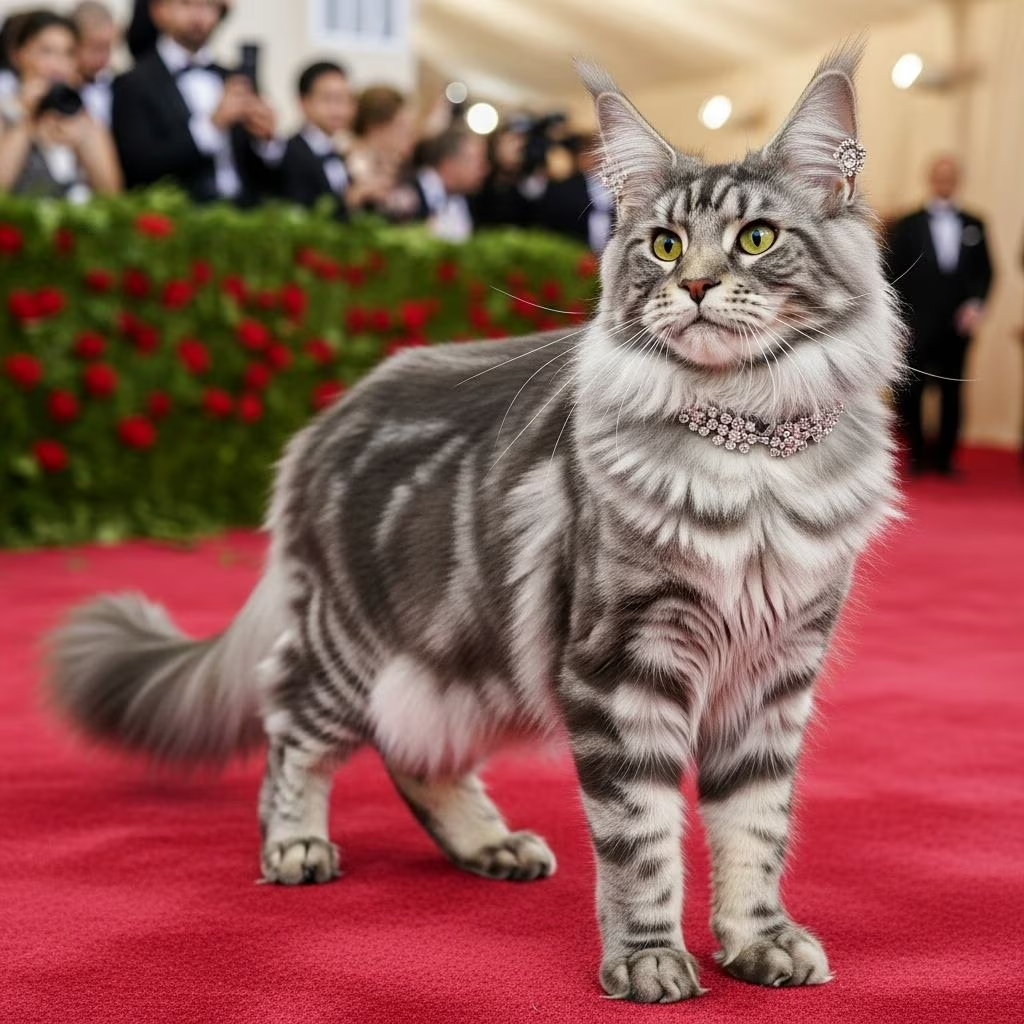
7 Grooming Tools to Help Your Cat Look Met Gala Ready
When it comes to their everyday hygiene, your cat is kind of like you — they’ve got it covered and don’t need any help, thanks. In fact, if you tried to give them a tongue bath, it would be as weird as them trying to help you wash your hair in the shower (awkward, unnecessary, and gross). Still, low-maintenance is not no-maintenance. And, as much as they may beg to differ, your cat could use a hand with their primping every now and then. We’ve rounded up six cat grooming products and one plush robe because this furry guy deserves the best. Our editors and their pets picked out these products, ensuring they’re always in stock at the time we publish, though there’s a chance they’ll sell out. If you do buy through our links, we may earn a commission.
Why Cat Grooming Matters
Cats spend nearly 50% of their waking hours grooming themselves, which demonstrates their natural commitment to personal hygiene. However, this self-grooming behavior isn’t always sufficient to maintain optimal health and appearance. Regular grooming sessions initiated by cat owners help remove loose hair, prevent matting, minimize hairballs, and reduce excessive shedding throughout the home. Beyond these practical benefits, grooming strengthens the bond between you and your feline companion, creating moments of affection and trust. Gentle brushing sessions and nail trimming can become enjoyable rituals that help your cat feel more comfortable and secure in your care.
Understanding Your Cat’s Grooming Needs
Not all cats require the same level of grooming assistance. Understanding your individual cat’s needs is crucial for establishing an effective grooming routine. Long-haired breeds like Persians and Maine Coons require regular brushing to prevent tangles and mats. Older cats or those carrying extra weight may struggle to groom themselves effectively and benefit significantly from owner assistance. Cats with skin conditions, excessive shedding, or those prone to ear infections also need extra grooming attention. Indoor cats, while not exposed to outdoor dirt and debris, still benefit from regular grooming to prevent hairballs and maintain coat health. Even short-haired cats can develop mats and benefit from periodic brushing.
Essential Cat Grooming Tools Explained
Choosing the right grooming tools makes the experience more enjoyable for both you and your cat. Each tool serves a specific purpose in maintaining your cat’s health and appearance. Understanding what each tool does and how to use it properly ensures effective grooming without causing discomfort or injury.
Slicker Brushes
The slicker brush is one of the most versatile and essential tools in any cat grooming kit. This brush features short, fine wires placed closely together on a flat or slightly curved surface, making it ideal for removing loose hair, preventing matting, and reducing shedding. The slicker brush works particularly well on medium to long-haired cats, gently gliding through the coat without pulling or snagging fur. When using a slicker brush, employ soft, gentle strokes in the direction of hair growth. Regular use of a slicker brush can significantly reduce the amount of loose hair your cat leaves around your home and minimize hairball formation. Make grooming sessions short and pleasant, using treats and praise to create a positive association with the brush.
Undercoat Rakes
For cats with thick, double coats, an undercoat rake is an invaluable tool. This specialized brush reaches into the undercoat to remove loose fur that the cat cannot reach during self-grooming. Undercoat rakes help prevent matting by removing tangled hair before it becomes a problem. They’re particularly useful during seasonal shedding when cats shed their winter coats. Use the undercoat rake gently, focusing on areas prone to tangling such as behind the ears, under the chin, and along the belly. This tool is essential for preventing the dense mats that can develop quickly in cats with thick or curly coats.
Wide-Toothed Combs
Wide-toothed combs are perfect for long-haired cats and for working through tangles and mats. The wider spacing between teeth makes these combs ideal for detangling without causing discomfort. Use a wide-toothed comb after brushing with a slicker brush to check for any remaining mats and to smooth the coat. A medium-width comb is also useful for removing debris and checking your cat’s skin for fleas, ticks, or other issues. Keeping a comb handy allows for quick touch-ups between full grooming sessions.
Nail Clippers
Regular nail trimming is an essential part of cat grooming that many owners overlook. Guillotine-style nail clippers are popular among cat groomers for their safety features and ease of use. These clippers have a small hole where the nail fits, and squeezing the handles brings a sharp blade down to trim the nail safely. Safety guards on quality clippers prevent you from trimming too close to the quick, which would cause pain and bleeding. When trimming your cat’s nails, hold the paw gently but firmly, and trim only the clear or light-colored portion of the nail, avoiding the darker inner section where blood vessels are located. If your cat has dark nails where the quick isn’t visible, trim conservatively or consult a veterinarian. A mini scissor-style clipper is another option that some find easier to control, though guillotine-style clippers are generally considered safer for cats.
Waterless Shampoos
Most cats despise water, making waterless shampoos a game-changer for cat owners. These dry shampoos come in foam, powder, or spray formulas and allow you to clean your cat’s coat without the stress of a bath. Waterless shampoos are designed specifically for cats and are safe when used as directed. They effectively remove dirt and odors while refreshing the coat. Simply apply the product according to package instructions, work it into the coat, and brush it out. Waterless shampoos are particularly useful for senior cats, cats with anxiety issues, or those recovering from surgery. They provide a stress-free alternative to traditional bathing while maintaining your cat’s cleanliness and coat health.
Cat-Safe Wipes
Cat-safe wipes are perfect for quick cleanups and spot treatments. Never use baby wipes or human baby wipes on cats, as they often contain ingredients that can be harmful to feline health. Cat-safe wipes are specifically formulated to be gentle on your cat’s skin and fur. They’re ideal for cleaning paws after litter box use, wiping away discharge from eyes, or cleaning soiled areas on the coat. Keep a container of cat-safe wipes readily available for easy access during grooming sessions. Wipes are also useful for cats that cannot tolerate more intensive grooming due to age or health conditions.
Ear Cleaners and Tear Stain Removers
Certain cat breeds are prone to ear infections and excessive eye discharge. Ear cleaners specifically formulated for cats help prevent infections and maintain ear health. Tear stain removers are designed for breeds with prominent eyes or those prone to excessive tearing. These products should always be cat-specific and gentle. Consult your veterinarian before using any ear cleaner if your cat shows signs of ear infection such as redness, odor, or discharge. Regular ear checks during grooming sessions allow you to catch potential problems early.
Choosing the Right Grooming Tools for Your Cat
Investing in quality grooming tools ensures a comfortable and stress-free experience. When selecting tools, consider your cat’s coat type, length, and individual temperament. Short-haired cats benefit from soft-bristle brushes that won’t irritate the skin. Long-haired cats need wide-toothed combs and undercoat rakes to prevent matting. Consider your cat’s comfort level with handling when choosing tools — some cats are more sensitive than others. Start with essential basics like a slicker brush and nail clippers, then add specialized tools as needed. Quality tools with safety features are worth the investment, as they reduce the risk of injury and discomfort during grooming sessions.
Step-by-Step Guide to Grooming Your Cat at Home
Creating a proper grooming routine ensures your cat remains healthy and comfortable. Follow these steps for an effective home grooming session:
- Start slow: Allow your cat to become familiar with grooming tools by letting them sniff and investigate before use. This familiarization process reduces anxiety and builds trust.
- Choose the right time: Groom your cat when they’re relaxed and calm, such as after playtime or a meal. Avoid grooming when your cat is agitated or in a playful mood.
- Create a comfortable environment: Use a quiet space with good lighting and minimal distractions. A calm environment helps your cat feel secure during grooming.
- Brush gently: Use soft, gentle strokes in the direction of hair growth. Avoid aggressive brushing that can cause discomfort or skin irritation.
- Check for mats: Carefully examine your cat’s coat for tangles and mats, particularly behind the ears, under the chin, and along the belly. Gently detangle using appropriate combs.
- Trim nails carefully: Hold the paw gently but firmly, and trim only the clear portion of the nail. Be cautious to avoid cutting too close to the quick.
- Clean ears and eyes: Use pet-safe wipes or products designed for ear and eye care. Check for any signs of infection or discharge.
- Use positive reinforcement: Offer treats and praise throughout the grooming session to create positive associations with the experience.
- Keep sessions short: Begin with brief grooming sessions and gradually increase duration as your cat becomes comfortable with the process.
Common Grooming Mistakes to Avoid
Understanding what not to do is just as important as knowing proper grooming techniques. Avoiding these common mistakes ensures your cat’s safety and comfort:
- Brushing too aggressively: Forceful brushing can cause skin irritation, discomfort, and make your cat resistant to future grooming sessions. Always use gentle, controlled strokes.
- Skipping regular nail trims: Long nails can become uncomfortable, cause pain while walking, and increase the risk of ingrown nails. Trim nails every two to four weeks depending on growth rate.
- Using human shampoos: Human shampoos contain ingredients that can irritate cat skin and be toxic if ingested during self-grooming. Always use products specifically formulated for cats.
- Ignoring mats and knots: Allowing mats to accumulate makes grooming increasingly difficult and uncomfortable. Address mats early before they become severe.
- Using baby wipes: Baby wipes often contain fragrances and chemicals harmful to cats. Always choose cat-safe wipes.
- Trimming nails too short: Cutting into the quick causes pain and bleeding. When in doubt, trim less rather than more.
- Forcing your cat: If your cat becomes stressed or resistant, stop the grooming session. Forcing compliance creates negative associations that make future grooming difficult.
Managing Cat Scratching During Grooming
Some cats naturally resist grooming efforts. If your cat scratches or becomes defensive during grooming sessions, try these strategies: Use treats and positive reinforcement throughout the session. Keep grooming sessions short initially, gradually increasing duration as your cat becomes comfortable. Use gentle strokes and avoid pressure on sensitive areas. Consider grooming your cat during naturally calm times of day. If your cat continues to resist despite these efforts, consult with a professional groomer or veterinarian for additional strategies and handling techniques.
Professional Grooming Considerations
While home grooming is often sufficient, some cat owners prefer professional grooming services. Professional groomers have extensive training in handling cats, understanding feline behavior, and safely using specialized equipment. They can perform tasks that some owners find challenging, such as full baths, nail trims on difficult cats, or extensive dematting. Professional groomers also have the ability to spot potential health issues during grooming sessions. Whether you choose home grooming or professional services depends on your cat’s temperament, your comfort level, and your cat’s specific grooming needs.
Grooming Indoor vs. Outdoor Cats
Both indoor and outdoor cats benefit from regular grooming. Indoor cats require grooming to prevent hairballs and maintain coat health. Outdoor cats need grooming to remove dirt, parasites, and debris, and to check for injuries or skin issues. The frequency of grooming may differ based on lifestyle, but all cats benefit from regular maintenance. Outdoor cats may require more frequent checks for fleas, ticks, and wounds.
Frequently Asked Questions (FAQs)
Q: How often should I groom my cat?
A: Short-haired cats benefit from grooming once or twice weekly, while long-haired breeds may need daily attention. Adjust frequency based on your cat’s coat type, shedding patterns, and individual needs.
Q: Can I use baby wipes to clean my cat?
A: No, baby wipes often contain ingredients that can be harmful to cats. Always use pet-safe wipes specifically designed for feline use.
Q: How do I stop my cat from scratching during grooming?
A: Try using treats and positive reinforcement, keeping grooming sessions short, using gentle strokes, and grooming during calm times of day. Consult a professional groomer if resistance continues.
Q: Do indoor cats need grooming?
A: Yes, even indoor cats benefit from regular grooming to prevent hairballs, reduce shedding, and maintain coat health. Regular grooming helps you monitor your cat’s skin for potential issues.
Q: What should I do if my cat has mats in their coat?
A: Use a wide-toothed comb or mat splitter to gently work through tangles. For severe mats, consult a professional groomer to avoid causing discomfort or skin damage.
Q: Is it safe to bathe my cat at home?
A: Most cats dislike water, making waterless shampoos a preferable option. If bathing is necessary, use warm (not hot) water, cat-specific shampoo, and proceed slowly and gently.
Q: How do I know if my cat has ear infections?
A: Signs of ear infection include redness, odor, discharge, or excessive scratching of the ears. If you notice these symptoms, consult your veterinarian before attempting to clean the ears.
References
- The Cat Grooming Guide: Must-have Tools And Accessories For Every Cat Parent — Unleavables Blog. 2025. https://blog.unleavables.com/the-cat-grooming-guide-must-have-tools-accessories-for-every-cat-parent/
- Necessary Cat Grooming Tools: Physical & Mental — Groomer to Groomer. 2025. https://www.groomertogroomer.com/necessary-cat-grooming-tools-physical-mental/
- Staff Picks – Pet Products to Save You Time and Money — PetHub. 2025. https://www.pethub.com/articles/3029398/staff-picks-pet-products-to-save-you-time-and-money



