

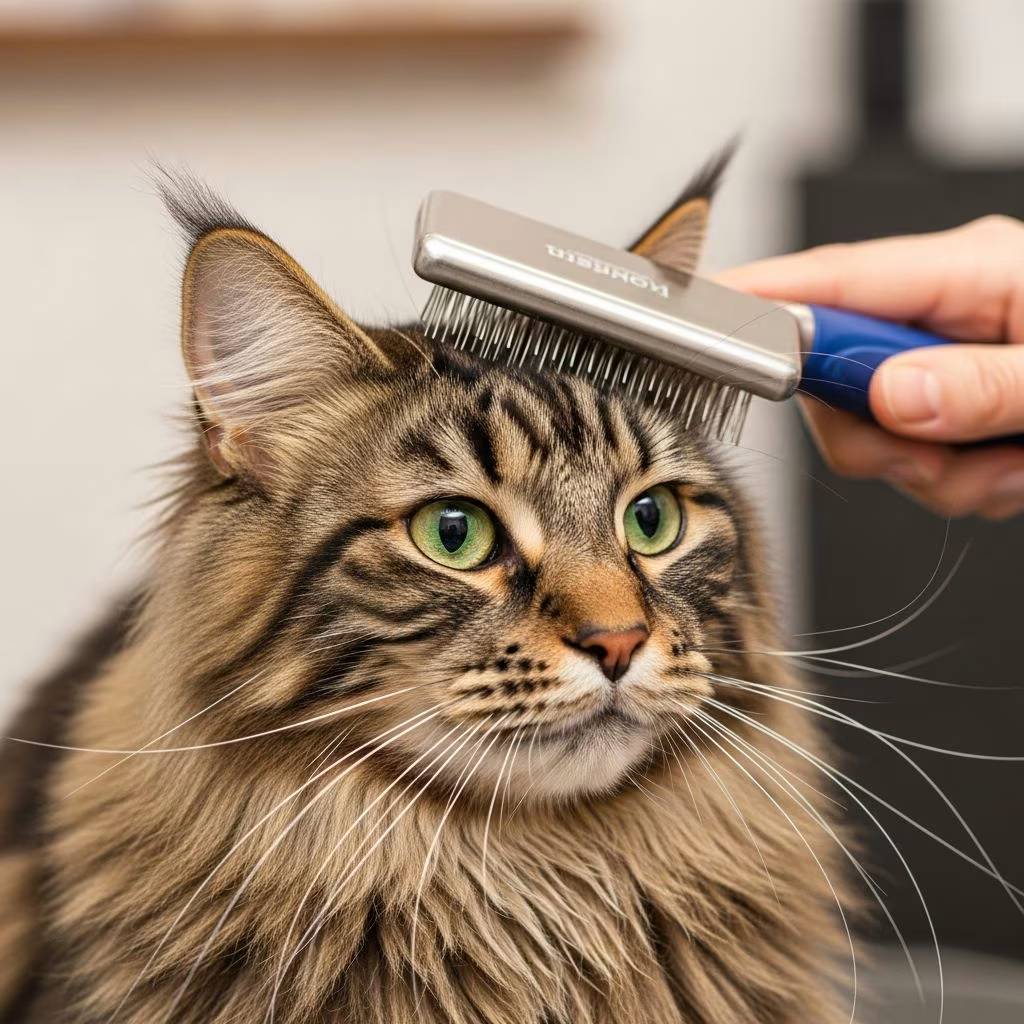
Cat Grooming Tips: A Complete Guide to Keeping Your Feline Friend Healthy
Grooming is an essential part of cat care that goes far beyond keeping your feline friend looking beautiful. Regular grooming sessions help maintain your cat’s coat and skin health, prevent painful mats and tangles, reduce shedding and hairballs, and allow you to monitor for signs of illness or parasites. Whether you have a fluffy long-haired Persian or a sleek short-haired tabby, understanding your cat’s specific grooming needs is crucial for their overall well-being. This comprehensive guide covers everything you need to know about grooming your cat at home.
Understanding Your Cat’s Grooming Needs by Coat Type
Different cats have different grooming requirements based on their coat length and type. Understanding your cat’s specific needs ensures you’re providing the right level of care.
Short-Haired Cats
Short-haired cats are generally considered low-maintenance when it comes to grooming, but they still require regular attention. These cats naturally shed less and are less prone to mats compared to their long-haired counterparts. However, routine maintenance is still necessary to remove loose fur, dirt, and debris from their coat. Aim to brush your short-haired cat at least once a week using a soft-bristled brush or grooming mitt to gently remove loose fur and distribute natural oils throughout the coat. This regular brushing helps reduce shedding and keeps their coat looking shiny and healthy. Additionally, monitor your cat’s skin and coat regularly for signs of parasites such as fleas or ticks, and address any issues promptly.
Long-Haired Cats
Long-haired cats require more frequent and intensive grooming to prevent mats and tangles and maintain coat health. These breeds are more prone to matting, especially in areas prone to friction. Brush your long-haired cat daily or every other day to prevent matting and tangling. Use a wide-toothed comb or slicker brush to carefully detangle knots and remove loose fur. Pay particular attention to areas prone to matting, such as behind the ears, under the armpits, and around the tail. Long-haired cats benefit from regular bathing every 4-6 weeks using a gentle, cat-specific shampoo. Additionally, consider trimming your cat’s fur, especially around the hindquarters and sanitary areas, to prevent fecal matting and reduce dirt buildup.
Hairless Cat Breeds
Hairless cat breeds like the Sphynx have unique grooming requirements despite lacking fur. While they don’t need brushing, they still require regular bathing, nail trimming, nail bed cleaning, skincare, and routine ear cleaning. Hairless cats are more sensitive to temperature changes and sun exposure, so their care needs special attention.
Essential Grooming Techniques
Daily Brushing and Combing
Regular brushing is the foundation of good cat grooming. For long-haired cats, daily brushing helps prevent mats and tangles while removing loose fur and dirt. For short-haired cats, weekly brushing is typically sufficient. When brushing, always brush in the direction your cat’s coat naturally grows, not against it. Use your comb to detangle and remove mats, paying special attention to the chin, chest, belly, and tail. If you encounter large or stubborn mats in friction areas like behind the ears, armpits, or near the tail, a de-matting comb can help break them up enough to comb them out. Avoid cutting out mats with scissors as you risk cutting your cat’s skin; instead, try using talcum powder to help loosen stubborn mats.
Nail Trimming
Trimming your cat’s nails every 2-4 weeks is essential to prevent overgrowth and reduce the risk of scratching. Overgrown nails can cause discomfort and lead to scratching damage to furniture and skin injuries. Hold your cat’s paw gently in one hand and use bladed nail trimmers with your other hand. Clip the nail in the same direction as its natural curve, removing only the sharp tip while avoiding the pink quick inside the nail. If your cat is sensitive to the sound of clippers, you can desensitize them by holding them while cutting dry spaghetti with the clippers. Alternatively, providing a good scratching post can help keep nails naturally maintained between trimming sessions.
Bathing Your Cat
While cats are naturally self-sufficient and regular baths aren’t entirely necessary for healthy adults, occasional bathing may be needed if your cat gets into something sticky, smelly, or develops skin conditions. Schedule baths when your cat is at their most mellow and relaxed. Before bathing, give your cat a thorough brushing to remove any loose hair, mats, and debris. Prepare a shallow bath with water meeting the bottom of your cat’s chest and fill rinsing cups with water beforehand. Place a non-slip mat in the tub to prevent slipping. Gently place cotton in your cat’s ears to keep water out and protect their hearing.
Once your cat is relaxed in the warm water, wet their entire body thoroughly, including the belly, chest, and under the tail. Use a cat-specific, gentle shampoo diluted in water and massage it into their entire body, legs, and tail. Avoid the face and ears, using a washcloth for these delicate areas. Rinse thoroughly to remove all shampoo, as any leftover product can cause skin irritation. For cats that are very dirty, you may need to repeat the process. Always use natural, hypoallergenic soaps and shampoos recommended specifically for use on cats.
Ear Cleaning
Regular ear cleaning is an important part of your cat’s grooming routine. Clean your cat’s ears regularly with a damp cotton ball or veterinarian-recommended ear cleaner to remove wax and debris. Wipe around the eyes and ears with a damp cloth to remove dirt and prevent infections. Monitor your cat’s ears for redness, discharge, or foul odor, which may indicate an ear infection requiring veterinary attention.
Dental Care
Dental hygiene is often overlooked but crucial for your cat’s health. Brush your cat’s teeth daily or several times a week using feline-approved toothpaste to prevent dental disease and maintain oral health. Regular dental care helps prevent plaque buildup, tooth decay, and gum disease. If regular brushing isn’t possible, discuss alternative dental care options with your veterinarian.
Fur Trimming Around Sensitive Areas
Regular trimming around the behind, paws, and belly helps reduce dirt buildup, matting, and hairballs. These areas are prone to soiling and matting, so keeping them trimmed short improves hygiene and comfort.
Making Grooming a Positive Experience
Making grooming enjoyable is crucial for success and ensures your cat cooperates during sessions. Here are proven techniques to make grooming pleasant for your feline friend:
Start Early and Build Positive Associations
Introduce grooming tools and handling as early as possible when your cat is a kitten. This early exposure helps them acclimate to the grooming process and reduces fear or anxiety as adults. Let your cat explore grooming tools first, offering treats as they sniff out each object. Use treats and praise to reward calm behavior during handling, creating positive associations with grooming time.
Keep Sessions Short and Manageable
Gradually increase grooming time to avoid overwhelming your cat. Starting with short sessions and slowly extending their duration helps your cat become comfortable with the process. If your cat becomes uncomfortable during brushing or bathing, try separating these tasks with a break and lots of petting and verbal praise.
Create a Calm Environment
Use quiet spaces and soft voices during grooming sessions. A calm, relaxing environment helps your cat feel safe and secure. Close the bathroom door when bathing to prevent escape attempts and minimize distractions. Always use a gentle voice and give your cat treats periodically throughout each grooming session to bring them comfort and put them at ease.
Handle Your Cat Gently
Always be gentle, especially around sensitive areas like paws and ears. Avoid sharp metal pronged brushes which can scratch your cat’s skin; instead, choose brushes and combs that feel comfortable against their skin. Handle their paws carefully during nail trimming, as this area is particularly sensitive.
Use Distraction Techniques
Offer treats, toys, or calming sprays if your cat gets anxious during grooming. Some cats respond well to calming pheromone sprays or treats designed to reduce anxiety. Having a helper to provide treats and reassurance can also make the process smoother.
Grooming Tools and Equipment
Using the right tools makes grooming easier and more effective. Here’s a guide to essential grooming equipment:
| Tool | Best For | Notes |
|---|---|---|
| Slicker Brush | Long-haired cats, mats and tangles | Removes loose fur effectively |
| Wide-Tooth Comb | Long-haired cats, detangling | Gentle and effective for knots |
| Soft Bristle Brush | Short-haired cats | Removes loose hair and distributes oils |
| Grooming Glove | All cats, especially if resistant | Feels like petting, less intimidating |
| Nail Clippers | Nail trimming | Use bladed clippers for clean cuts |
| De-matting Comb | Stubborn mats | Use on friction areas like ears |
Health Benefits of Regular Grooming
Regular grooming provides numerous health benefits beyond aesthetics. Consistent brushing helps reduce shedding and hairballs, which can cause digestive issues. Regular nail trims prevent overgrowth and related injuries. Grooming sessions allow you to spot early signs of skin irritation, parasites, or other skin conditions that might require veterinary attention. Dental care prevents serious oral health issues. Additionally, a well-groomed cat is typically healthier overall and has a reduced chance of developing dental disease or skin problems.
Supporting Your Cat’s Coat Health from Within
Proper nutrition plays a vital role in coat and skin health, making grooming easier and more effective. Feed your cat a healthy, balanced diet without fillers or artificial ingredients. Ensure your cat has proper hydration, as this supports healthy skin and coat. A nutritious diet combined with regular grooming creates optimal conditions for a beautiful, healthy coat. Additionally, implement a flea-treatment program recommended by your veterinarian and regularly clean your home to maintain a healthy environment.
Monitoring for Health Issues During Grooming
Grooming sessions provide excellent opportunities to monitor your cat’s overall health. Check for skin issues regularly, as grooming allows you to spot irritation, parasites, or unusual conditions early. Monitor your cat’s eyes for discharge or irritation and seek veterinary attention if necessary. Watch for signs of flea or tick infestations during brushing. Early detection of health issues through regular grooming can prevent serious problems from developing.
When to Seek Professional Grooming Help
While home grooming is important, some situations call for professional grooming services. Severe mats should be handled by a professional groomer to avoid skin damage. If your cat has special health needs or behavioral issues that make home grooming difficult, professional groomers have the expertise and experience to handle them safely. Some cat owners prefer professional bathing services, especially for cats that are particularly resistant to water.
Frequently Asked Questions
Q: How often should I bathe my cat?
A: Most healthy adult cats don’t need regular baths. Long-haired cats benefit from bathing every 4-6 weeks, while short-haired cats usually only need baths if they get particularly dirty or have skin conditions. Always consult your veterinarian about your cat’s specific bathing needs.
Q: What should I do if my cat has severe mats?
A: Don’t try to cut severe mats out yourself as you risk injuring your cat’s skin. Instead, use talcum powder to loosen the mat or consult a professional groomer. For prevention, brush your long-haired cat daily to prevent mats from forming.
Q: How often should I trim my cat’s nails?
A: Trim your cat’s nails every 2-4 weeks to prevent overgrowth and reduce scratching. Some indoor cats may need more frequent trims, while outdoor cats may naturally wear their nails down more.
Q: Can I use human shampoo on my cat?
A: No, always use cat-specific shampoo. Human shampoo can irritate your cat’s skin and is not pH-balanced for feline skin. Choose natural, hypoallergenic shampoos recommended specifically for cats.
Q: My cat hates grooming. How can I make it easier?
A: Start early with kittens, keep sessions short, use treats and praise, create a calm environment, and consider using calming sprays or getting professional help. The key is making grooming a positive experience through patience and positive reinforcement.
Q: How do I know if my cat has skin problems during grooming?
A: Look for redness, excessive scratching, flaking, bald spots, or unusual odors during grooming. If you notice any of these signs, contact your veterinarian for evaluation and treatment recommendations.
References
- The Ultimate Guide to Cat Grooming: Frequency and Tips for Pet Owners — The International Cat Association (TICA). Accessed November 2025. https://tica.org/blogs/the-ultimate-guide-to-cat-grooming-frequency-and-tips-for-pet-owners/
- Grooming a Cat: A Guide to Bathing, Brushing & Trimming Nails — Purina. Accessed November 2025. https://www.purina.com/articles/cat/health/routine-care/grooming-a-cat
- Cat Grooming Tips — ASPCA. Accessed November 2025. https://www.aspca.org/pet-care/cat-care/cat-grooming-tips
- Cat Grooming 101: Your Complete Grooming Guide — Pumpkin Care. Accessed November 2025. https://www.pumpkin.care/post/how-to-groom-a-cat
- Understanding Your Cat’s Grooming Needs: The Complete Guide — Jazz’s Wonderland. Accessed November 2025. https://www.jazzswonderland.com/blog/understanding-your-cats-grooming-needs-a-complete-guide



