

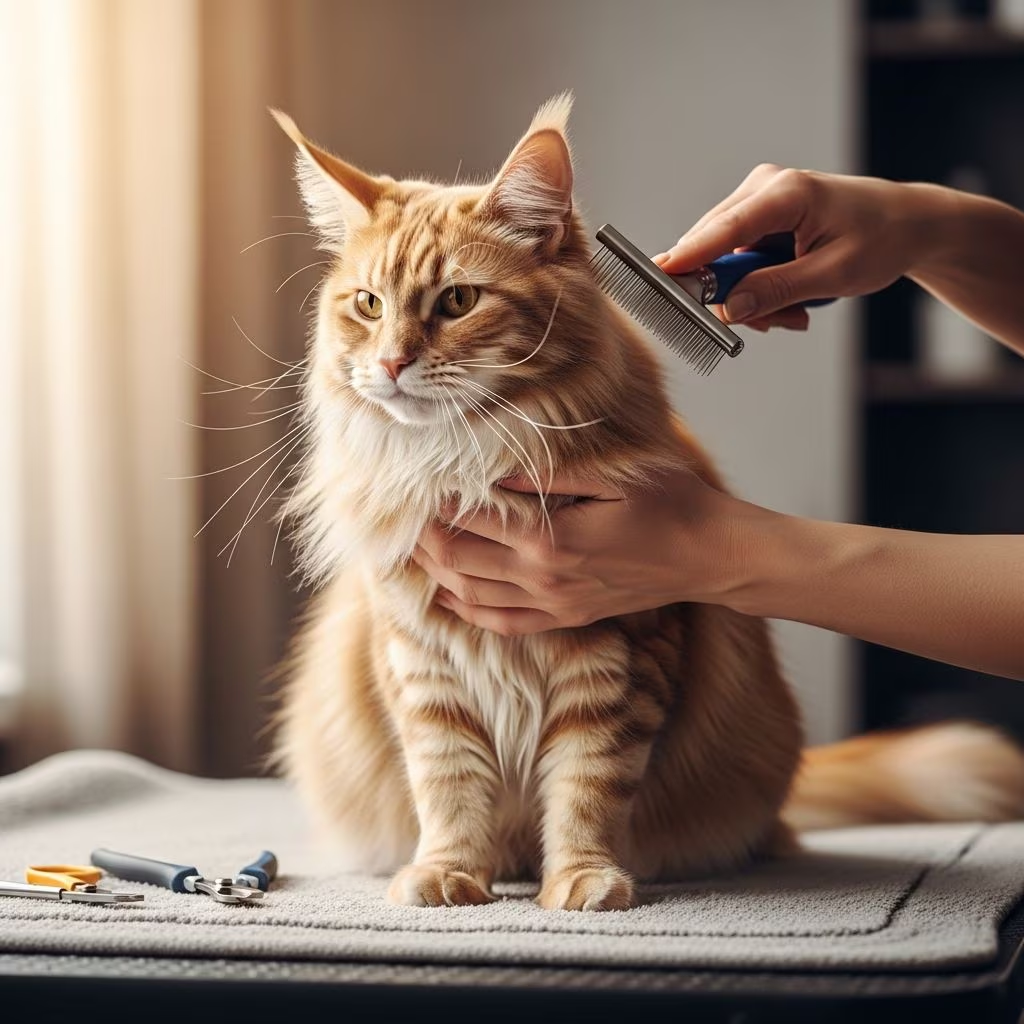
Cat Grooming Tips: A Complete Guide to Keeping Your Feline Clean and Healthy
A clean cat is a happy cat, and maintaining your feline companion’s grooming is essential for their overall health and well-being. While cats are naturally independent and spend considerable time grooming themselves, they cannot tackle all their grooming needs solo. Regular grooming sessions help reduce shedding, prevent hairballs, maintain a healthy coat and skin, and provide an opportunity to check for potential health issues such as skin problems, lumps, or parasites. Whether you’re a new cat owner or looking to improve your grooming routine, understanding the fundamentals of cat care will help you keep your kitty looking and feeling their best.
Understanding Your Cat’s Grooming Needs
Most cats stay relatively clean and rarely need a full bath, but regular brushing and combing are essential components of a comprehensive grooming routine. The frequency and type of grooming your cat requires depend on several factors, including coat length, age, and individual temperament. Long-haired cats require significantly more attention than their short-haired counterparts, typically needing grooming sessions every few days to prevent tangles and remove dead hair. Short-haired cats usually benefit from weekly brushing sessions. Beyond brushing, a complete grooming routine should include nail trimming, ear cleaning, eye inspection, and dental care. Starting grooming habits early with kittens helps them become comfortable with the process and creates positive associations with grooming sessions.
Brushing and Combing Techniques
Regular brushing is one of the most important aspects of cat grooming. It helps keep your cat’s coat clean, reduces the amount of shedding, and cuts down on the incidence of hairballs. Brushing also allows you to inspect your cat’s skin for any abnormalities and strengthens the bond between you and your pet.
Short-Haired Cat Grooming
For cats with short hair, a metal comb is an excellent tool for regular maintenance. Work the brush through your cat’s fur from head to tail, moving in the direction the coat naturally grows. This directional brushing is crucial as it prevents discomfort and ensures you’re removing dirt and debris effectively. Brush all over your cat’s body, including the chest and abdomen, concentrating on one section at a time to remove dead hair and tangles. A rubber brush can be especially effective for short-haired cats, as it removes loose hair and leaves their coat smooth and shiny. For short-haired cats, a weekly grooming session is typically sufficient to maintain a healthy coat.
Long-Haired Cat Grooming
Long-haired cats present unique grooming challenges and require more frequent attention. Indoor long-haired cats shed throughout the year and need grooming sessions every few days to prevent matting and remove dead hair. Start by gently combing the abdomen and legs, working the comb upward toward the head. For the neck area, gently comb the fur toward the chin to prevent discomfort. When grooming the tail, part the fur down the middle and carefully brush each side. To tackle knots and tangles, sprinkle a small amount of talcum powder over the affected area and use your fingers to gently tease the knot apart. For stubborn tangles that resist finger-combing, a mat-splitter can help break them up safely without pulling on your cat’s sensitive skin. Avoid using plastic combs for long-haired cats, as they can generate an electric charge that may shock both you and your pet. Natural bristle brushes or pluck brushes are better alternatives.
Bathing Your Cat
While most cats rarely need a bath due to their self-grooming abilities, occasionally bathing your cat can be beneficial for their overall hygiene. The key to a successful bathing experience is patience, preparation, and creating a calm environment.
Preparing for Bath Time
Schedule baths when your cat is at their most mellow—typically after a meal or play session when they’re feeling relaxed and drowsy. Before introducing your cat to water, give them a thorough brushing to remove any loose hair and mats. This step is crucial because wet hair can cause tangles and matting that are difficult to remove. Gather all necessary supplies beforehand, including cat-specific shampoo, a non-slip bathmat, warm water, towels, and cotton balls. Ensure the bathing area is warm and free from drafts, and always use lukewarm water—never hot water, as it can burn your cat’s sensitive skin.
Bathing Process
Begin by placing cotton gently in your cat’s ears to keep water out and prevent discomfort. Use a cup or spray hose to wet your cat’s fur, working from head to tail. Always avoid spraying water directly on their ears, eyes, or nose, as this causes distress. Once your cat is wet, gently massage a diluted cat shampoo throughout their coat, working in the direction of hair growth. Never use human shampoo on your cat, as it can irritate their skin. Use natural, hypoallergenic soaps and shampoos specifically recommended for feline use. After shampooing, rinse completely with lukewarm water, ensuring all shampoo residue is removed to prevent skin irritation. For your cat’s face, use a damp washcloth with plain water or a highly diluted shampoo solution if needed.
Drying Your Cat
After bathing, wrap your cat in a large, absorbent towel and dry them in a warm, draft-free location. If your cat doesn’t mind the noise and you have a blow dryer, you can use it on the lowest heat setting to help dry their coat. For long-haired cats, you may need to carefully untangle their fur with a wide-toothed comb while drying. Always reward your cat with praise and their favorite treats after a successful bathing session to create positive associations with the experience.
Nail Trimming and Paw Care
Trimming your cat’s nails is an important part of their grooming routine and helps prevent overgrowth, splitting, and discomfort. However, many cat owners find nail trimming challenging. The key is to approach the process with calm patience and practice.
Preparing Your Cat for Nail Trimming
Start by creating a calm, quiet environment free from distractions. Place your cat in your lap or on a comfortable surface when they’re feeling relaxed, perhaps after a meal or nap. Gently massage your cat’s paws for a few seconds, then give the pad a light press so the nail extends. Reward your cat with treats for remaining calm. Over several days, introduce the nail clippers without actually trimming, allowing your cat to become accustomed to the tool while receiving treats and praise. This gradual approach reduces anxiety and helps your cat accept the trimming process.
Trimming Technique
When your cat is ready for their first trim, place them in your lap facing away from you. Take one toe in your hand, massage gently, and press until the nail extends. Trim only the sharp tip of the nail, being careful not to cut into the pink quick, which contains blood vessels and nerves. Immediately reward your cat with a treat after each nail. For best results, clip one or two nails per session and gradually increase the number as your cat becomes more comfortable. If your cat refuses trimming or shows signs of stress, consult your veterinarian or a professional groomer. Never rush, punish, or attempt nail clipping when your cat is agitated.
Paw Pad Care
Beyond nail trimming, pay attention to your cat’s sensitive paw pads. In hot and cold weather, moisturize paw pads with a veterinarian-recommended product. Try to avoid letting your cat’s feet touch freezing patios, hot sidewalks, or other uncomfortable surfaces. If you notice your cat obsessively cleaning their paws, limping, or favoring one leg, investigate the issue as it may indicate a need for veterinary attention. Some long-haired breeds may benefit from gentle trimming of fur around the paws and bottom area to prevent matting and maintain hygiene.
Eye Care
Regular eye inspection is an important part of your cat’s grooming routine and can help catch potential health issues early. Healthy cat eyes should be clear and bright with white surrounding the eyeball, and pupils should be equal in size.
To examine your cat’s eyes properly, place them in a well-lit area. Gently roll down their eyelid with your thumb and inspect the lining—it should be pink, not red or white. Use a damp cotton ball to carefully wipe away any crust or debris, wiping outward from the corner of the eye toward the outside of the face. Use a fresh cotton ball for each eye to prevent spreading any potential infection. If you notice redness, discharge, cloudiness, or any signs of discomfort, contact your veterinarian promptly.
Ear Care
Healthy cat ears require regular inspection and gentle cleaning. Check your cat’s ears during grooming sessions for signs of dirt, wax buildup, or parasites. You can gently clean the outer ear area with a soft, damp cloth, but avoid inserting anything into the ear canal. If you notice excessive scratching, foul odors, discharge, or dark waxy buildup, these may indicate an ear infection or mite infestation, and your cat should be examined by a veterinarian.
Dental Care
Dental health is often overlooked in cat grooming routines but is crucial for overall wellness. While brushing your cat’s teeth is ideal, it requires early training and patience. If you have a kitten, softly rub their gums during petting sessions to help them feel safe with you touching their teeth. This early exposure makes future dental care easier. For adult cats, consult your veterinarian about appropriate dental care options, which may include professional cleanings or dental treats designed to support oral health.
General Grooming Best Practices
- Brush your cat regularly to prevent matting of hair and reduce shedding
- Use natural, hypoallergenic soaps and shampoos recommended specifically for cats
- Feed your cat a healthy, balanced food without fillers or artificial ingredients to support coat health
- Implement a flea-treatment program recommended by your veterinarian
- Thoroughly clean and vacuum your home regularly, including disposing of vacuum bags properly
- Trim fur around the paws and bottom area for long-haired breeds when needed
- Groom your cat in a calm, quiet environment when possible
- Start grooming habits early with kittens to establish positive associations
When to Seek Professional Help
Some cats do not tolerate being groomed due to temperament, past experiences, or medical conditions. If your cat fights the grooming process and there is potential for injury to either your cat or yourself, make an appointment with a professional groomer or veterinarian. Professional groomers have experience handling anxious cats and possess specialized tools and techniques for managing difficult grooming situations safely. Additionally, if you notice any signs of skin issues, excessive hair loss, parasites, or other health concerns during grooming, contact your veterinarian for evaluation and treatment recommendations.
Frequently Asked Questions About Cat Grooming
Q: How often should I bathe my cat?
A: Most cats rarely need baths and stay relatively clean through self-grooming. Bathe your cat only when necessary, such as when they get into something dirty. Generally, once every 4-6 weeks is sufficient for most cats, though this varies by individual and coat type.
Q: Can I use human shampoo on my cat?
A: No, never use human shampoo on your cat. Human shampoo can irritate feline skin and disrupt the pH balance of their coat. Always use cat-specific or hypoallergenic shampoos formulated for feline use.
Q: What should I do if my cat refuses to be groomed?
A: If your cat refuses grooming and there’s potential for injury, consult a professional groomer or veterinarian. Try grooming when your cat is most relaxed, such as after meals or play sessions. Start with short sessions and reward your cat with treats and praise.
Q: How can I prevent tangles in my long-haired cat’s coat?
A: Groom long-haired cats every few days using a metal comb and wide-toothed comb. Brush the abdomen, legs, and tail areas regularly. For knots, use talcum powder to help loosen them before gently teasing them apart with your fingers.
Q: Is it normal for cats to shed a lot?
A: Yes, shedding is normal for most cats, especially during seasonal changes. Regular brushing significantly reduces shedding and also decreases the incidence of hairballs, a common problem in cats with longer coats.
Q: How do I know if my cat’s nails need trimming?
A: If your cat’s nails are visibly long, curling, or if they’re having difficulty retracting their claws, it’s time for a trim. Some cats wear down their nails naturally on scratching posts and may not need frequent trimming, while others require regular maintenance every 2-4 weeks.
Q: What tools do I need for basic cat grooming?
A: Essential grooming tools include a metal comb, rubber brush, nail clippers, cotton balls, towels, cat shampoo, and a mat-splitter for long-haired cats. Having quality tools makes the grooming process easier and more comfortable for your cat.
References
- How to Groom Your Cat — ASPCA Pet Health Insurance. 2025. https://www.aspcapetinsurance.com/resources/how-to-groom-your-cat/
- How to Safely Bathe Your Cat — ASPCA Pet Health Insurance. 2025. https://www.aspcapetinsurance.com/resources/how-to-give-your-cat-a-bath/
- Cat Grooming Tips — ASPCA. 2025. https://www.aspca.org/pet-care/cat-care/cat-grooming-tips
- General Cat Care — ASPCA. 2025. https://www.aspca.org/pet-care/cat-care/general-cat-care
- Cat Grooming: A Comprehensive Checklist — PrettyLitter. 2025. https://www.prettylitter.com/blog/cat-grooming-a-comprehensive-checklist



