

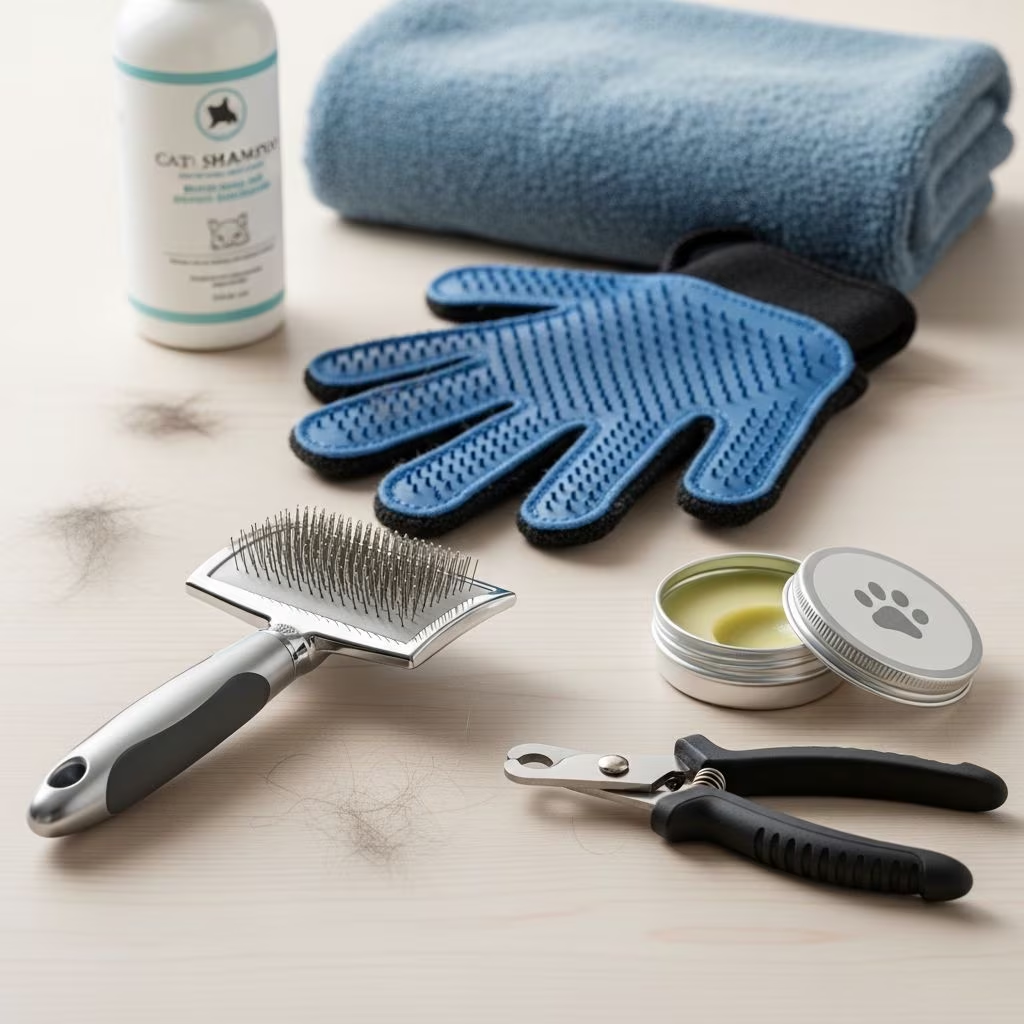
Regular grooming is vital for maintaining your cat’s health, reducing shedding, preventing mats, and detecting early signs of health issues. The right cat grooming supplies make at-home grooming safe, effective, and stress-free for both you and your feline friend. This guide covers essential tools for fur care, dental hygiene, claw trimming, ear cleaning, and bathing, tailored to different coat types from short-haired to long-haired breeds.
Why Groom Your Cat?
Cats are naturally fastidious groomers, spending up to 50% of their waking hours cleaning themselves. However, they often need human assistance to remove loose fur, tangles, and debris, especially long-haired breeds prone to matting. Grooming stimulates blood flow to the skin, distributes natural oils for a glossy coat, and minimizes hairballs by reducing ingested fur. It also strengthens the bond between owner and pet while allowing early detection of lumps, fleas, or skin irritations.
Professional grooming can be expensive and stressful for cats, so investing in quality home grooming supplies pays off. Start with a basic kit and expand based on your cat’s needs, such as deshedding tools for heavy shedders or dental kits for seniors.
Fur Care Supplies
Fur care is the cornerstone of cat grooming. Brushes and combs remove dead hair, prevent mats, and promote a healthy coat. Choose tools based on coat length: soft bristles for short-haired cats, pin brushes for medium to long-haired ones.
- Slicker Brushes: Ideal for all coat types, these feature fine, bent wires that penetrate the coat to grab loose fur, dirt, and tangles without irritating skin. Excellent for reducing shedding and preventing hairballs in breeds like Persians or Maine Coons. Use gently to avoid pulling hair.
- Pin Brushes: Best for long or medium-haired cats, with rounded pins that glide through fur, removing undercoat and distributing oils for shine. They detangle without snagging.
- Bristle Brushes: Perfect for short-haired cats like Siamese; soft bristles collect surface hair and polish the coat, leaving it glossy.
- Deshedding Tools (e.g., FURminator): Specialized blades reach deep into the undercoat to remove up to 90% more loose hair. Use sparingly (once a week) to avoid over-brushing.
- Grooming Gloves or Mitts: Rubber-nubbed gloves turn petting into grooming, ideal for cats averse to traditional brushes. They capture loose hair effortlessly and work on short or long fur.
- De-matting Combs: For severe mats, these bladed tools slice through knots safely, preventing the need for scissors that risk cutting skin.
Brush your cat 2-3 times weekly for short coats, daily for long ones. Always follow with a comb to check for missed tangles.
Dental Care Supplies
Dental disease affects 70% of cats by age three, leading to pain, infections, and heart issues. Home dental grooming prevents plaque buildup.
- Cat Toothbrushes: Dual-headed, angled brushes or finger brushes fit small mouths. Soft bristles target teeth and gums.
- Enzymatic Toothpaste: Poultry or fish-flavored formulas break down plaque without foaming. Never use human toothpaste, which contains toxic xylitol.
- Cotton Gauze or Pads: For gentle wiping if your cat resists brushing.
Brush teeth 2-3 times weekly, focusing on outer surfaces. Introduce gradually with treats for positive association.
Claw Care Supplies
Trimming nails every 10-14 days prevents overgrowth, snags, and furniture damage. Cats’ nails are curved and retractable, requiring cat-specific tools.
- Nail Clippers: Guillotine-style (scissor-like) or rotary grinders. Safety guards prevent cutting the quick (pink inner nail with blood vessels).
- Styptic Powder or Cornstarch: Stops bleeding if the quick is nicked. Apply firmly for 30 seconds.
Clip only the clear tip, avoiding the pink quick. Reward heavily and trim one paw at a time during calm moments.
Ear Care Supplies
Cats’ L-shaped ear canals trap wax and debris, leading to infections if uncleaned monthly.
- Ear Cleaning Solution: Vet-formulated liquids soften wax without alcohol sting.
- Cotton Balls or Gauze: Swab outer ear; never insert deep to avoid rupture.
Wipe visible dirt weekly; full cleans monthly. Redness or odor warrants a vet visit.
Bathing Supplies
Most cats need baths only if extremely dirty, flea-infested, or for medical reasons. Use sparingly to preserve natural oils.
- Cat Shampoo and Conditioner: pH-balanced, tear-free formulas. Dilute 1:10 with water. Avoid human products toxic to cats.
- Grooming Wipes: Waterless for spot cleans on face, paws, or rear. Alcohol-free and hypoallergenic.
- Washcloths and Towels: Soft microfiber for gentle wiping and drying.
- Cotton Balls: For eyes and ears during baths.
Bathe in a sink with 3-4 inches lukewarm water. Praise and treat throughout. Dry thoroughly to prevent chills.
Additional Grooming Accessories
Enhance your routine with these conveniences:
- Shedding Combs or Rakes: For undercoat removal in heavy shedders.
- Waterless Shampoos: Spray-on dry baths for quick refreshes.
- Tear Stain Removers: For breeds like Himalayans prone to eye discharge.
- Grooming Tables or Mats: Non-slip surfaces for stability.
| Coat Type | Recommended Brushes | Frequency |
|---|---|---|
| Short-Haired | Bristle, Rubber Curry, Gloves | 2-3x/week |
| Medium-Haired | Slicker, Pin Brush | 3-4x/week |
| Long-Haired | Pin, Slicker, De-matting | Daily |
Grooming Tips for Success
Start kittens young for tolerance. Use treats and play to make sessions positive. Trim nails post-meal when drowsy. For aggressive cats, consider professional help or calming aids. Clean tools after each use to prevent bacteria spread.
Frequently Asked Questions (FAQs)
How often should I groom my cat?
Short-haired cats need weekly brushing; long-haired daily. Nails every 10-14 days, dental 2-3 times weekly, ears monthly.
Can I use human shampoo on my cat?
No, it disrupts skin pH and can cause dryness or toxicity. Always use cat-specific products.
What if my cat hates grooming?
Desensitize gradually with short sessions, treats, and grooming gloves that mimic petting. Consult a vet for anxiety solutions.
Do indoor cats need grooming supplies?
Yes, to control shedding, prevent hairballs, and maintain health even without outdoor dirt.
How do I know if my cat needs a bath?
Only for severe soiling, fleas, or vet advice. Use wipes for routine maintenance.
References
- Cat Grooming 101: Your Complete Grooming Guide — Pumpkin Pet Insurance. 2023-05-15. https://www.pumpkin.care/post/how-to-groom-a-cat
- Cat Grooming Tools: A Ultimate Guide for Feline Fanatics — Neakasa. 2024-02-20. https://neakasa.com/blogs/all/cat-grooming-tools-a-ultimate-guide-for-feline-fanatics
- The Cat Grooming Guide: Must-have Tools And Accessories — Unleavables. 2023-11-10. https://blog.unleavables.com/the-cat-grooming-guide-must-have-tools-accessories-for-every-cat-parent/
- Top 8 Grooming Tools Every Cat Owner Should Have — Collar Cuts. 2024-01-05. https://collarcuts.com/top-8-grooming-tools-every-cat-owner-should-have/
- An Owners Guide to Grooming Your Cat — Everypaw. 2023-08-12. https://www.everypaw.com/all-things-pet/bad-fur-day-read-our-cat-grooming-101



