

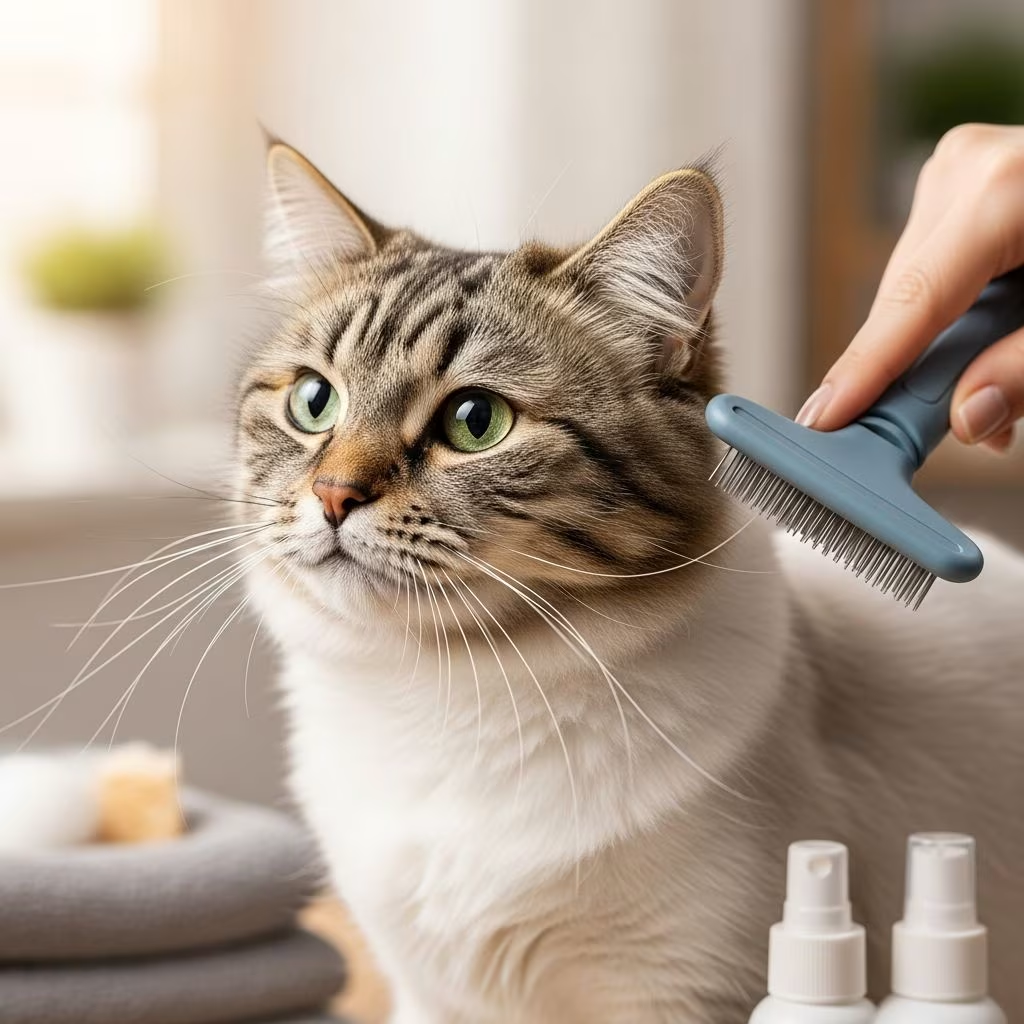
Cats devote 30 to 50 percent of their waking hours to grooming activities, including licking, nibbling, and scratching. This behavior, essential to their well-being, serves multiple functions beyond mere cleanliness.
The Evolutionary Roots of Feline Self-Care
Grooming in cats traces back to their earliest days. Kittens observe and mimic their mothers, who lick them to stimulate bodily functions, remove waste, and foster emotional connections. By around four weeks, young cats start self-grooming, a skill that matures as they wean.
This innate routine helps distribute natural oils from skin glands, maintaining a sleek coat and healthy skin. The raspy tongue acts like a comb, detangling fur and whisking away debris. Saliva’s evaporation provides a cooling effect, aiding temperature regulation in warm environments.
Health and Hygiene Benefits of Daily Licking
Regular grooming keeps parasites at bay, stimulates blood flow, and prevents matting. Cats ingest loose fur during sessions, which can lead to hairballs, but this process also eliminates allergens and pathogens.
- Parasite control: Licking removes fleas, ticks, and dirt from hard-to-reach spots.
- Skin health: Oils spread evenly, preventing dryness and promoting shine.
- Circulation boost: The mechanical action enhances blood flow to the skin.
- Temperature management: Saliva evaporation cools the body efficiently.
In multi-cat homes, mutual assistance ensures thorough cleaning, especially on the head and neck where self-access is limited.
Social Grooming: Building Bonds Through Licks
Allogrooming, or social licking, strengthens relationships among cats. It typically targets the head, neck, and facial areas rich in scent glands, blending individual smells into a collective aroma that signals group unity.
This behavior extends to humans, indicating trust and affection. A cat licking its owner mimics maternal care, reinforcing the human-pet bond.
| Grooming Type | Purpose | Common Targets |
|---|---|---|
| Self-Grooming | Hygiene, cooling | Body, flanks, paws |
| Allogrooming (Cat-to-Cat) | Bonding, scent sharing | Head, neck |
| Cat-to-Human | Affection, inclusion in group | Hands, face, hair |
Mothers groom kittens for hygiene and comfort, teaching vital skills. Adults continue this to affirm hierarchies or diffuse tensions.
Grooming as a Stress Reliever
When anxious, cats turn to grooming as displacement activity, akin to human nail-biting. It releases endorphins, calming the nervous system amid conflicts or changes like new pets or moves.
Behaviorists note this soothes neurologic impulses from touch. In stable environments, it’s brief; prolonged sessions may signal underlying issues.
Signs of Excessive Grooming and When to Worry
While 30-50% daily grooming is normal, overdoing it leads to bald patches, skin irritation, or wounds. Causes include medical conditions like allergies, infections, or pain, and psychological factors like anxiety.
- Physical triggers: Fleas, food sensitivities, hyperthyroidism.
- Behavioral cues: Recent stressors, boredom, compulsive disorders.
Veterinarians recommend ruling out health problems first via exams and tests. If cleared, enrich the environment with play, perches, and pheromone diffusers.
Understanding Hierarchy in Cat Grooming Dynamics
Grooming communicates status. Dominant cats may lick subordinates to assert control, while recipients show submission. Gentle sessions indicate harmony; rough ones suggest dominance disputes.
In clowders, this maintains peace, reducing fights by reinforcing roles. Observant owners can gauge household dynamics through these interactions.
How Kittens Learn and Refine Grooming Skills
From birth, maternal licking teaches hygiene and socialization. Littermates practice on each other, imitating techniques for effective cleaning.
As adults, they refine methods, focusing on efficiency. This lifelong habit underscores grooming’s role in feline identity.
Practical Tips for Supporting Your Cat’s Grooming
Complement natural efforts with brushing to reduce hairballs, especially for longhairs. Provide scratching posts for nail maintenance and dental toys for oral health.
- Brush weekly to remove loose fur.
- Monitor for fleas with vet-approved preventives.
- Offer high perches for stress-free observation.
- Engage in 10-15 minute daily play sessions.
A balanced diet supports skin and coat vitality, minimizing excessive licking.
FAQs on Cat Grooming Behaviors
Why does my cat lick me?
Your cat includes you in its social group, showing affection and marking you with its scent.
Is it normal for cats to groom each other?
Yes, allogrooming builds bonds and aids hygiene in unreachable areas.
What if my cat grooms too much?
Check for medical issues first; stress management follows if needed.
How much time do cats spend grooming?
Typically 30-50% of waking hours.
Can grooming indicate illness?
Overgrooming in specific spots may signal pain or allergies.
References
- Feline Grooming Behavior | Reasons Cats Groom Themselves — TVMF. 2023. https://www.tvmf.org/articles/grooming-behavior-of-cats/
- 9 Things You Didn’t Know About Your Cat’s Grooming Habits — Chewy. 2024. https://www.chewy.com/education/cat/grooming/health-grooming-9-things-you-didnt-know-about-your-cats-grooming-habits
- Why Do Cats Groom Each Other? — Whitney Veterinary Hospital. 2023. https://whitneyvet.com/why-do-cats-groom-each-other/
- Cats that Lick Too Much — Cornell University College of Veterinary Medicine. 2024-01-15. https://www.vet.cornell.edu/departments-centers-and-institutes/cornell-feline-health-center/health-information/feline-health-topics/cats-lick-too-much
- Understanding Your Cat’s Grooming Habits — Hill’s Pet Nutrition. 2025. https://www.hillspet.com/cat-care/behavior-appearance/why-cats-groom-and-lick-themselves



