

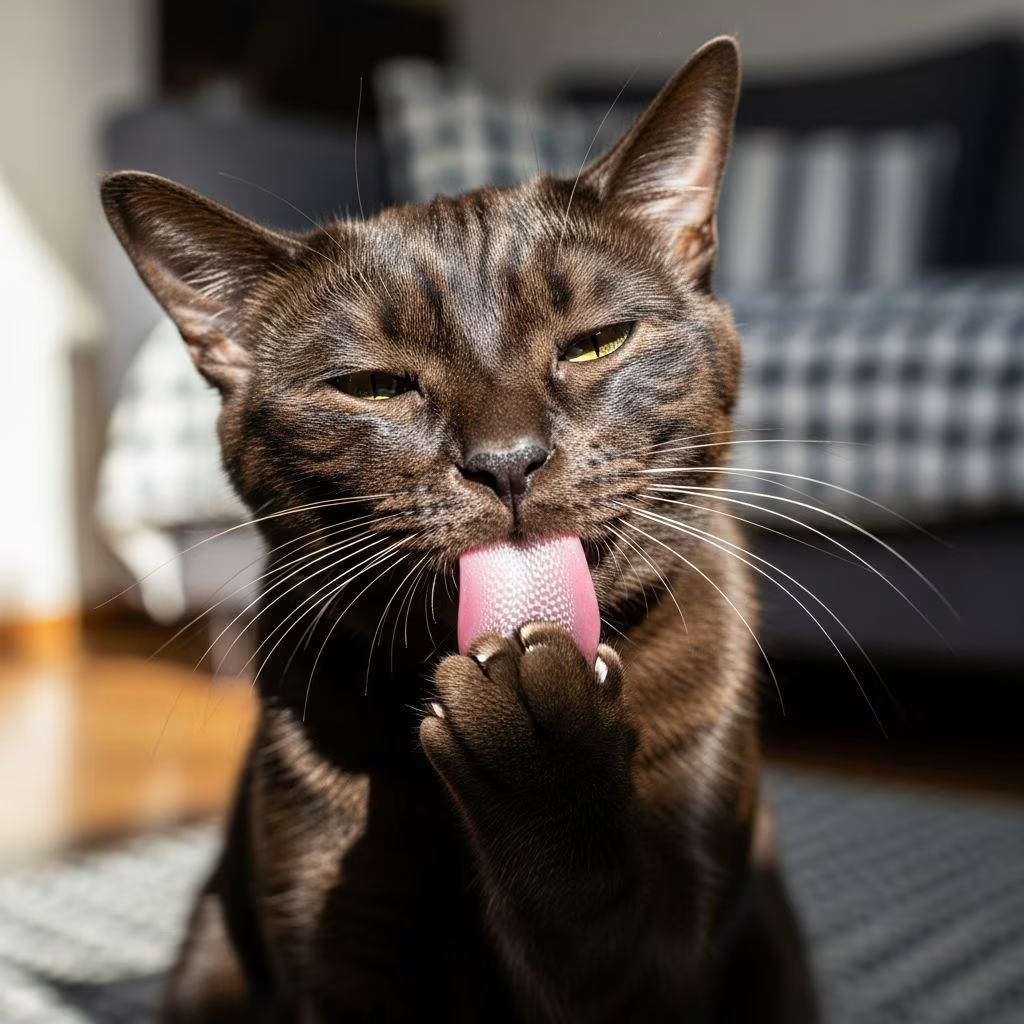
9 Things You Didn’t Know About Your Cat’s Grooming Habits
Most cat owners assume their feline companions are perfectly capable of grooming themselves, and while cats are indeed fastidious self-groomers, there’s far more to their grooming habits than meets the eye. Understanding the intricacies of your cat’s grooming behavior can help you recognize when additional care is needed and how to support your pet’s overall health and well-being. Let’s explore nine fascinating facts about cat grooming that might surprise you.
1. Cats Spend Up to 50% of Their Waking Hours Grooming
Your cat isn’t just occasionally licking their fur—grooming is one of their primary activities throughout the day. Cats dedicate approximately half of their waking hours to grooming themselves, which demonstrates just how important this behavior is to their species. This extensive self-grooming routine serves multiple purposes beyond simply keeping their coat clean. It helps cats regulate body temperature, distribute natural oils throughout their fur, and maintain their scent markers, which are crucial for their sense of security and territorial identity. Understanding that grooming is such an integral part of your cat’s daily life helps explain why they may become stressed when this routine is disrupted or when their coat becomes matted and difficult to groom.
2. Grooming Helps Regulate Body Temperature
One of the most important but often overlooked functions of cat grooming is thermoregulation. When cats groom themselves, they distribute saliva across their coat, which evaporates and cools them down—particularly important on hot days or when they’re feeling overheated. In addition, grooming helps cats maintain proper insulation by keeping their fur fluffed and properly aligned. This natural temperature control mechanism is especially critical for indoor cats who may not have as much ability to find cool spots or shade outdoors. During warmer months, you might notice your cat grooming more frequently, which is their body’s natural response to maintaining a comfortable temperature.
3. Natural Oils in Their Coat Serve Multiple Functions
When cats groom, they’re doing far more than cleaning their fur—they’re actively distributing sebaceous oils produced by their skin. These natural oils are essential for several reasons. They keep the coat water-resistant, helping cats stay dry and comfortable, while also maintaining the fur’s natural shine and luster. These oils provide protection against bacteria and parasites, acting as a natural barrier against environmental threats. Additionally, the oils carry scent markers that are vital to a cat’s sense of identity and communication with other felines. When your cat’s natural oil distribution is disrupted by poor grooming habits or skin conditions, their overall health and comfort can be significantly compromised.
4. Hairballs Are More Than Just an Inconvenience
While hairballs might seem like a simple nuisance, they can actually indicate underlying health concerns and create serious complications. When cats groom themselves, they inevitably ingest loose fur, which accumulates in their digestive system and forms hairballs. In most cases, cats naturally expel these hairballs through vomiting, but occasionally they can cause digestive blockages that require veterinary intervention. Regular professional grooming significantly reduces the amount of loose hair your cat ingests, thereby decreasing the frequency of hairballs and protecting their digestive health. For long-haired cats and older cats, this benefit becomes even more critical, as they’re more prone to excessive matting and increased hair ingestion.
5. Grooming Provides Early Detection of Health Problems
One of the most valuable yet overlooked benefits of regular grooming is its role in early detection of medical issues. Whether you’re brushing your cat at home or taking them to a professional groomer, the grooming process allows for careful examination of your cat’s entire body. During grooming sessions, it’s easier to spot unusual signs such as lumps or bumps, skin irritations, bald patches, ear infections, and parasites like ticks or fleas. This hands-on opportunity to inspect your cat can catch health concerns before they become serious. A professional groomer has experience recognizing subtle signs of health problems that might otherwise go unnoticed, making regular grooming sessions a valuable preventive health measure that complements veterinary care.
6. Senior and Overweight Cats Often Need Grooming Assistance
As cats age or gain weight, their ability to groom themselves effectively diminishes. Overweight or older cats often struggle to reach certain areas of their body, such as their lower back, underside, or hindquarters. These hard-to-reach spots can accumulate dirt, debris, and potentially harmful bacteria, increasing the risk of infections and skin problems. Professional grooming ensures these vulnerable areas receive proper attention and care. Additionally, arthritis and other age-related conditions can make the grooming process painful for senior cats, making professional assistance not just helpful but necessary for their comfort and health. Recognizing when your cat needs grooming help is an important part of providing appropriate senior care.
7. Matted Fur Can Cause Serious Skin Problems
Mats and tangles in a cat’s coat are far more problematic than they might appear. Mats pull on the skin, causing irritation and discomfort, and they can trap dirt, bacteria, and parasites beneath them. Long-haired cats are especially prone to matting, and without regular brushing and professional grooming, these mats can become painful and difficult to remove. Severe matting can lead to skin infections and other serious complications. Regular brushing helps prevent mats from forming in the first place, keeping your cat’s coat smooth and healthy while preventing the irritation and potential infections that come with severely matted fur. For long-haired cats, daily brushing is often necessary to maintain coat health and prevent painful matting.
8. Professional Grooming Reduces Stress and Anxiety
Many cat owners assume their feline companions prefer to be left alone, but regular grooming can actually reduce stress and anxiety in cats. A clean, mat-free coat feels more comfortable against the skin, and the physical sensation of being groomed can be soothing and relaxing. Additionally, when you groom your cat at home or have them professionally groomed regularly, it helps desensitize them to being handled, making future veterinary visits and necessary treatments less stressful. The bonding that occurs during grooming sessions also increases oxytocin levels, which can reduce anxiety-related behaviors such as excessive meowing or destructive scratching. Creating positive grooming associations early in a cat’s life can have long-lasting benefits for their emotional well-being.
9. Different Coat Types Require Different Grooming Approaches
Not all cats have the same grooming needs, and the approach to grooming should be tailored to your cat’s specific coat type and breed characteristics. Short-haired cats require less frequent grooming but still benefit from regular brushing to reduce shedding and maintain coat health. Medium and long-haired cats typically need grooming up to four times per year at minimum, with many requiring more frequent attention to prevent matting and tangles. Professional groomers are experts at caring for unique coats and breeds with specialized grooming needs, understanding how different coat types require different tools, techniques, and products. Your cat’s age, health status, and lifestyle should also influence your grooming routine, making personalized care essential for optimal results.
The Importance of Regular Grooming for Your Cat’s Health
Regular grooming—whether done at home or by a professional—offers comprehensive health benefits that extend far beyond appearance. Grooming removes dead hair, dirt, and debris from your cat’s coat, helping prevent mats and reduce hairballs that build up in their digestive system. It provides an opportunity to check your cat for fleas, ticks, lumps, bumps, and skin problems you might not otherwise notice. The brushing process stimulates blood circulation and distributes natural oils that keep the coat healthy and shiny. Additionally, routine grooming reduces shedding, minimizing the amount of cat hair on your furniture and clothes while keeping your home cleaner. For cats with allergies or sensitive skin, regular grooming helps reduce allergens and irritants that accumulate over time.
Building a Grooming Routine That Works for Your Cat
Establishing a consistent grooming routine tailored to your cat’s needs is crucial for maintaining their health and well-being. Start by determining your cat’s specific grooming requirements based on their coat length, age, and health status. Short-haired cats might need brushing once or twice a week, while long-haired cats typically require daily attention to prevent matting. Making grooming a positive experience by using gentle techniques, offering treats and praise, and keeping sessions brief can help your cat become more comfortable with the process. If your cat is resistant to home grooming, professional groomers can provide expert care while creating a stress-free experience designed specifically for feline needs.
When to Seek Professional Grooming Services
While regular at-home grooming is beneficial for all cats, certain situations call for professional intervention. Severely matted fur often requires professional attention, as improper removal can injure your cat’s skin. Senior cats, overweight cats, and cats with mobility issues benefit greatly from professional grooming that addresses hard-to-reach areas. Cats with skin conditions, allergies, or sensitivity to certain products need grooming with specialized, pet-safe formulations. Additionally, cats who are fearful or aggressive during grooming may do better with professionals trained in feline behavior and gentle handling techniques. Professional groomers can also provide nail trimming, which is an important but often neglected aspect of cat care.
FAQ: Common Questions About Cat Grooming
Q: How often should I groom my short-haired cat?
A: Short-haired cats benefit from brushing once or twice weekly to reduce shedding, prevent hairballs, and distribute natural oils. Even though their coats don’t mat as easily as long-haired breeds, regular grooming still supports skin health and allows you to check for potential health issues.
Q: Can professional grooming help with my cat’s anxiety?
A: Yes, professional grooming can reduce stress and anxiety in cats. When grooming is done gently and consistently, it helps desensitize cats to being handled, reduces the discomfort of mats and tangles, and creates positive associations with touch and care. Regular grooming can also help with anxiety-related behaviors like excessive meowing or destructive scratching.
Q: What should I do if my cat has severely matted fur?
A: Severely matted fur should be addressed by a professional groomer or veterinarian. Attempting to remove severe mats at home can injure your cat’s skin. Professional groomers have specialized tools and expertise to safely remove mats while minimizing discomfort and preventing skin damage.
Q: How can grooming help detect health problems in my cat?
A: During grooming, you can examine your cat’s entire body for lumps, bumps, skin irritations, bald patches, ear infections, and parasites. Regular grooming provides an opportunity to notice changes early, allowing for prompt veterinary intervention before minor concerns become serious health issues.
Q: Is bathing my cat necessary as part of grooming?
A: While most cats don’t need frequent baths due to their self-grooming habits, occasional bathing can help remove allergens, dander, and grease buildup, particularly beneficial for cats with sensitive skin or allergies. Professional groomers can make bathing a stress-free experience using pet-safe products.
References
- Health Benefits of Grooming Your Cat — Cat Behavior Associates. Accessed November 2025. https://catbehaviorassociates.com/health-benefits-of-grooming-your-cat/
- Feline Care 101: How Grooming Boosts Cat Health — Art Pet Grooming. Accessed November 2025. https://www.artpetgrooming.com/blog/feline-care-101-how-grooming-boosts-cat-health/
- Cat Grooming | Peace of Mind Veterinary Care — Peace of Mind Veterinary Care. Accessed November 2025. https://www.peaceofmindveterinarycare.com/services/cats/bathing-hygiene
- The Top Benefits of Regular Cat Grooming — Eze Paws. Accessed November 2025. https://www.ezepaws.com/the-top-benefits-of-regular-cat-grooming
- Why Grooming Is Essential for Your Cat’s Health — Alex the Cat Groomer. Accessed November 2025. https://alexthecatgroomer.com/why-grooming-is-essential-for-your-cats-health/
- Is Cat Grooming Really Necessary? — Belton Veterinary Clinic. Accessed November 2025. https://www.beltonvetclinic.com/services/cats/blog/cat-grooming-really-necessary
- Why Do Cats Clean Themselves So Much? — Britannica. Accessed November 2025. https://www.britannica.com/science/Why-Do-Cats-Clean-Themselves-So-Much
- Surprising Health Benefits of Regular Pet Grooming — Anclote Animal Hospital. Accessed November 2025. https://www.ancloteanimalhospital.com/health-benefits-of-regular-pet-grooming/



