

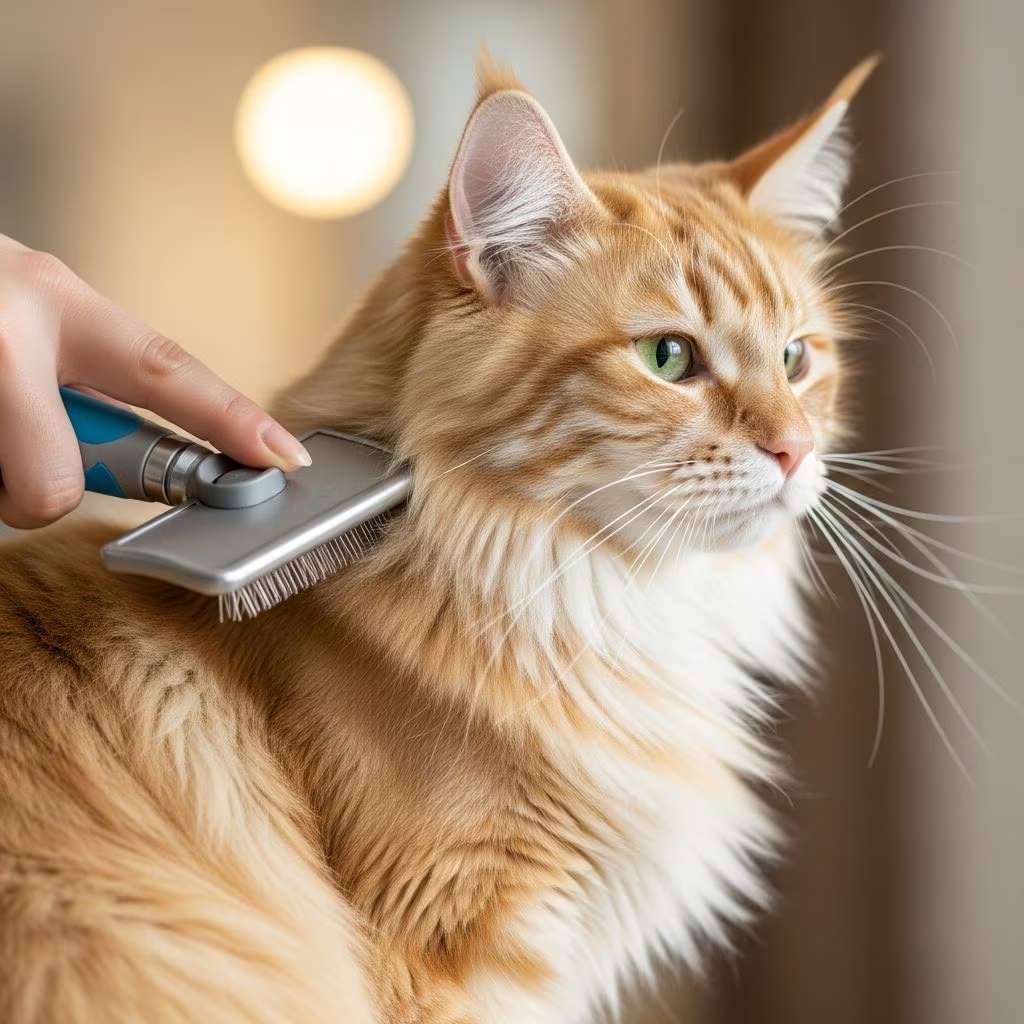
Cat Grooming: A Complete Guide to Keeping Your Feline Friend Healthy
Regular grooming is one of the most important aspects of cat care, yet many cat owners underestimate its significance. While cats are naturally excellent at self-grooming, taking an active role in your feline’s grooming routine offers numerous benefits beyond aesthetics. Whether you have a long-haired Persian or a sleek short-haired domestic shorthair, understanding proper grooming techniques can transform your cat’s health and strengthen your bond with your pet.
Why Grooming Your Cat Matters
Grooming isn’t just about keeping your cat looking beautiful—it’s a critical component of their overall health and wellbeing. Regular grooming sessions remove dust, dead skin, and loose hairs from your cat’s coat, preventing serious tangling and matting that can lead to skin irritation and discomfort. Additionally, grooming improves circulation and helps distribute your cat’s natural oils throughout their coat, promoting a healthier, shinier appearance.
Beyond physical benefits, grooming provides an excellent opportunity to monitor your cat’s health. By regularly examining your cat’s skin and coat during grooming sessions, you can spot potential issues early, such as sore patches, wounds, parasites, or changes in coat condition that might indicate underlying health problems. If you notice any concerning changes, consulting with your veterinarian is essential.
Perhaps most importantly, grooming strengthens the bond between you and your cat. These quiet, one-on-one moments create positive associations and help your cat feel cared for and valued, ultimately improving your relationship and your cat’s emotional wellbeing.
Understanding Your Cat’s Grooming Needs
Not all cats have the same grooming requirements. The frequency and intensity of grooming depend primarily on your cat’s coat type, which falls into two main categories: short-haired and long-haired. Understanding your cat’s specific needs ensures you’re providing appropriate care without overdoing it.
Short-Haired Cats: Short-haired cats generally do an excellent job of grooming themselves and typically require grooming once a week. These sessions help maintain coat condition and prevent loose hair from accumulating in your home.
Long-Haired Cats: Long-haired cats are much higher maintenance and require daily grooming to prevent knots and tangles from forming. This daily commitment is essential for maintaining the health and appearance of their coats.
Essential Grooming Tools and Equipment
Before beginning any grooming session, ensure you have the right tools. Different tools serve different purposes, and having the complete set makes grooming more effective and comfortable for your cat.
Recommended Grooming Tools
- Flea Comb: A fine-toothed comb specifically designed to detect and remove fleas and flea eggs from your cat’s coat
- Wide-Toothed Comb: Ideal for long-haired cats, this comb helps detangle fur without pulling and works well on sensitive areas
- Bristle Brush: Best for short-haired cats, bristle brushes gently remove loose hair and massage the skin
- Rubber Brush or Mitten: These tools collect loose hair brought to the surface by other brushes and are useful for all coat types
- Slicker Brush: Excellent for removing dead hair and breaking down mats in long-haired cats
- Dematting Comb: A specialized tool designed to gently tease out knots without damaging the skin, safer than scissors
- Grooming Mitts: Useful for removing dead hair from shorter-coated breeds, these mitts double as a gentle massage tool
How to Groom Your Short-Haired Cat
Grooming a short-haired cat is a straightforward process when you follow these methodical steps. Remember that short-haired cats need grooming approximately once weekly to maintain optimal coat health.
Step-by-Step Short-Haired Cat Grooming Process
Step One: Check for Fleas Begin by running a flea comb through your cat’s fur to ensure they’re free of any fleas or eggs. If you notice flea dirt (small black specks that look like pepper), consult your veterinarian about appropriate flea treatment options.
Step Two: Massage the Base Gently massage your cat’s fur at the base, working your fingers through the coat. This massage loosens any fur that couldn’t be reached or removed by a brush alone and helps stimulate blood circulation.
Step Three: Brush with Bristle Brush Using a bristle brush, run it through your cat’s fur from head to tail in the direction that the hair naturally grows. This step removes loose fur and helps distribute natural oils throughout the coat.
Step Four: Finish with Rubber Brush Finally, use the rubber brush or grooming mitten to collect the loose hair brought to the surface by the bristle brush. Run this down your cat’s body using the same head-to-tail motion, following the natural direction of hair growth.
How to Groom Your Long-Haired Cat
Long-haired cats require more intensive grooming due to their increased susceptibility to matting and tangling. These cats benefit from daily grooming sessions to prevent coat problems and maintain their beautiful appearance. The following steps provide a comprehensive grooming routine for long-haired felines.
Step-by-Step Long-Haired Cat Grooming Process
Step One: Check for Fleas Begin by lifting your cat’s fur and checking for fleas and flea eggs. Look for small black specks that indicate flea dirt. If present, speak with your veterinarian about appropriate treatment options.
Step Two: Gentle Massage Gently massage your cat’s fur at the base to loosen any fur that otherwise couldn’t be reached or removed by a brush. Pay special attention to areas prone to matting.
Step Three: Use Wide-Toothed Comb Using a wide-toothed metal comb, carefully work through your cat’s fur from head to tail, following the direction the hair grows naturally. Be especially careful in sensitive areas including the chest, abdomen, behind the ears, the backs of the legs, and the armpit area, where tangles commonly form.
Step Four: Collect Loose Hair Use the rubber brush or grooming mitten to collect loose hair brought to the surface during combing. Run this down your cat’s body in the same head-to-tail direction.
Dealing with Mats and Knots
Despite your best efforts, long-haired cats sometimes develop mats and knots in their fur. Handling these tangles properly is crucial to avoid discomfort and potential skin damage.
If you encounter knots in your cat’s fur, treat them gently and patiently. Slowly tease the knot apart using your fingers, working carefully from root to tip. Never pull forcefully or cut matted fur with scissors, as this risks damaging your cat’s skin. Specialized dematting combs are available and should be used instead of scissors for safely removing mats. For stubborn knots, you can use a damp cloth to help with the teasing process, making the hair more pliable.
Making Grooming a Positive Experience
The success of your grooming routine depends heavily on your cat’s comfort and willingness to participate. Cats don’t naturally enjoy grooming sessions, so creating positive associations is essential for long-term success.
Tips for Positive Grooming Sessions
- Introduce grooming slowly and positively to cats of all ages
- Only begin grooming sessions when your cat is happy and relaxed
- Keep sessions short and finish before your cat shows any signs of discomfort
- End each session on a positive note with praise and rewards
- Use treats to help your cat associate grooming with pleasant experiences
- Choose a quiet, comfortable grooming area with minimal distractions
- Groom during times when your cat is naturally calm and content
Recognizing When Your Cat Is Uncomfortable
Understanding your cat’s body language during grooming is critical. If your cat displays any signs of discomfort, it’s time to end the session immediately. Watch for these warning signals:
- Tail swishing or thrashing
- Twitching skin or muscles
- Growling or hissing
- Attempting to move away or escape
- Ears flattened against the head
- Dilated pupils or tense body posture
Ending the session when you notice these signs prevents grooming from becoming a negative experience and helps maintain a positive association with future grooming attempts.
Grooming Duration and Frequency
While frequency varies based on coat type, the duration of each grooming session should be tailored to your individual cat. Short, regular sessions are generally best, as they prevent your cat from becoming overstimulated or stressed.
For short-haired cats, weekly grooming sessions of 5-10 minutes are typically sufficient. Long-haired cats benefit from daily grooming sessions that may take 10-20 minutes depending on coat condition and any areas requiring extra attention. If your cat is new to grooming, keep initial sessions even shorter—just a few minutes—to help them acclimate to the process.
Grooming and Your Cat’s Health Monitoring
One of the overlooked benefits of regular grooming is the health monitoring opportunity it provides. During each grooming session, you’re examining your cat’s skin and coat closely, which allows you to spot potential health issues early.
Look for the following during grooming sessions:
- Sore patches, wounds, or scabs
- Unusual hair loss or bald spots
- Changes in coat texture or appearance
- Parasites or signs of infestation
- Skin irritation, flaking, or excessive dryness
- Lumps, bumps, or other abnormalities
If you notice any changes in your cat’s coat condition or skin health, schedule a veterinary check-up. Many health issues manifest through coat changes, making your grooming routine an valuable early warning system.
Grooming Supplies and Natural Care
Beyond basic brushes and combs, various grooming supplies can enhance your routine and your cat’s coat health. Soft bristle and pin brushes help distribute natural oils, which improve coat condition. When selecting grooming products, choose those specifically formulated for cats to avoid skin irritation from human products.
Frequently Asked Questions About Cat Grooming
Q: How often should I groom my cat?
A: Short-haired cats need grooming approximately once weekly, while long-haired cats require daily grooming to prevent matting and tangles.
Q: What should I do if my cat resists grooming?
A: Start with short sessions, use treats and praise to create positive associations, and only groom when your cat is calm. End sessions before your cat becomes stressed.
Q: Is it safe to use scissors to remove mats?
A: No, using scissors risks cutting your cat’s skin. Instead, use specialized dematting combs or gently tease mats apart with your fingers.
Q: Can grooming help reduce shedding?
A: Yes, regular grooming removes loose hair before it ends up on your furniture and clothing, significantly reducing shedding throughout your home.
Q: What tools do I absolutely need for grooming?
A: At minimum, you need a flea comb, an appropriate brush for your cat’s coat type (bristle for short-hair, wide-toothed for long-hair), and a rubber brush or mitten.
References
- How to groom your cat — Blue Cross. https://www.bluecross.org.uk/advice/cat/wellbeing-and-care/how-to-groom-your-cat
- Grooming your cat — RSPCA. https://www.rspca.org.uk/adviceandwelfare/pets/cats/health/grooming



