

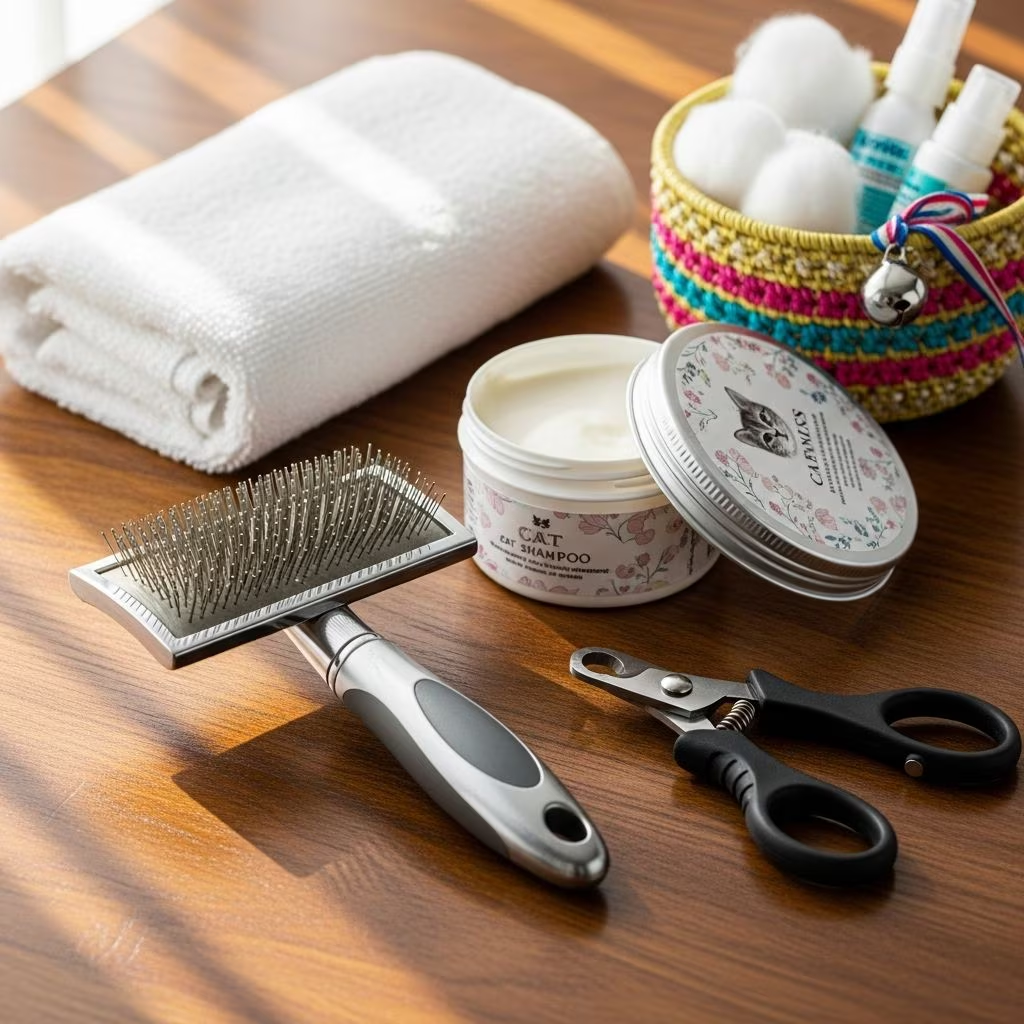
Regular grooming is a cornerstone of cat care that goes beyond aesthetics. It promotes skin health, reduces shedding, prevents hairballs, and allows early detection of potential health issues. Cats are fastidious self-groomers, but they benefit greatly from human assistance, especially in hard-to-reach areas or during shedding seasons.
The Vital Role of Grooming in Feline Wellness
Grooming maintains a cat’s coat by removing loose fur, dirt, and debris while distributing natural oils for shine and protection. Brushing stimulates blood circulation, exfoliates dead skin cells, and prevents mats that can lead to infections, particularly in long-haired breeds. It also cuts down on ingested hair, minimizing hairball risks that cause discomfort or vomiting.
Beyond physical perks, grooming sessions foster trust and reduce anxiety through gentle touch, boosting oxytocin levels for both cat and owner. Routine checks during grooming reveal lumps, parasites, or irritations early, enabling prompt veterinary care. For seniors, kittens, obese cats, or those with mobility issues, assistance is crucial as self-grooming becomes challenging.
- Healthier Skin: Removes allergens and parasites, preventing infections.
- Less Shedding: Captures loose fur before it spreads around the home.
- Bonding Time: Calms anxious cats and deepens your relationship.
- Early Alerts: Spots abnormalities like tumors or fleas quickly.
Understanding Your Cat’s Coat Type
Cats vary in fur length and texture, dictating grooming needs. Short-haired breeds like Siamese shed seasonally but require weekly brushing. Long-haired Persians or Maine Coons demand daily sessions to avoid painful mats.
| Coat Type | Grooming Frequency | Key Challenges | Recommended Tools |
|---|---|---|---|
| Short-Haired | 2-3 times/week | Seasonal shedding, hairballs | Slicker brush, rubber mitt |
| Medium-Haired | Daily or every other day | Moderate tangling, dirt buildup | Pin brush, wide-tooth comb |
| Long-Haired | Daily | Mats, undercoat buildup | Dematting tool, undercoat rake |
Assess your cat’s coat during playtime to tailor your approach effectively.
Essential Grooming Tools Every Cat Owner Needs
Invest in quality, cat-specific tools for safe, efficient sessions. Start with basics and expand based on coat type.
- Slicker Brushes: Fine wires remove loose hair without irritating skin; ideal for all coats.
- Pin Brushes: Rounded pins detangle gently, perfect for medium to long fur.
- Dematting Combs: Blunt blades safely cut through knots on long-haired cats.
- Rubber Curry Brushes: Massage gums and stimulate oils on short coats.
- Nail Clippers: Guillotine-style for precise trims; avoid human versions.
- Dental Kits: Finger brushes and enzymatic toothpaste for oral health.
- Wet Wipes: Alcohol-free for spot cleaning sensitive areas.
Choose stainless steel or durable plastic tools. Clean them weekly with mild soap to prevent bacteria buildup.
Mastering the Brushing Routine: Step-by-Step
Introduce grooming young for positive associations. Sessions should last 5-10 minutes, rewarding with treats or praise.
- Prepare the Space: Quiet area with good lighting; use a non-slip mat.
- Start Slow: Pet head and cheeks first—favorite spots—then progress to back and sides.
- Brush Direction: Follow fur growth; use short strokes on belly and legs.
- Focus Hotspots: Behind ears, armpits, and tail base for tangles.
- End Positively: Finish with play or cuddles to build trust.
For resistant cats, use pheromone sprays or distraction toys. Brush more during spring/fall shedding peaks.
Beyond Brushing: Comprehensive Cat Care
Grooming encompasses nails, teeth, ears, and paws for total hygiene.
Nail Trimming Essentials
Trim every 2-4 weeks to prevent overgrowth and scratches. Press paw pads to extend claws; clip only the clear tip, avoiding the pink quick. If unsure, seek a vet demo first.
Oral Health Practices
Dental disease affects 70% of cats over age 3. Brush teeth 2-3 times weekly with pet-safe paste, or use dental chews. Annual vet cleanings are ideal for plaque control.
Ear and Paw Maintenance
Wipe ears weekly with vet-approved solution to curb wax and mites. Trim paw fur between pads to avoid slips and debris trapping.
Signs It’s Time for Professional Grooming
Home efforts suffice for most, but pros excel with long-haired or anxious cats. Benefits include breed-specific cuts, safe mat removal, and health scans. Sessions offer spa-like calm with aromatherapy and expert handling.
- Mats larger than a fingertip.
- Heavy shedding despite daily brushing.
- Skin issues or parasite suspicions.
- Behavioral aversion to home grooming.
Professionals detect issues like lumps or infections early, using premium products unavailable retail.
Frequently Asked Questions (FAQs)
How often should I groom my cat?
Short-haired: 2-3 times weekly; long-haired: daily. Increase during shedding seasons.
Can grooming reduce hairballs?
Yes, by removing loose fur before ingestion, significantly lowering hairball frequency.
What if my cat hates being brushed?
Start short sessions in calm settings, use treats, and try different tools. Consult a pro for training.
Is bathing necessary for cats?
Rarely; use waterless shampoos or wipes unless vet-recommended for fleas or dirt.
Are grooming gloves effective?
Yes, for short coats—they mimic licking while collecting fur effortlessly.
Common Grooming Pitfalls to Avoid
Over-brushing irritates skin; under-brushing leads to mats. Never use human products—toxic risks abound. Force sessions breed fear; patience wins.
Track progress: less litter fur means success. Combine with balanced diet for optimal coat health.
References
- Cat Grooming Tips — ASPCA. 2023. https://www.aspca.org/pet-care/cat-care/cat-grooming-tips
- Why Grooming Your Cat is Essential for Their Health and Happiness — Ridgeline Vet Clinic. 2024-01-15. https://www.ridgelinevetclinic.com/blog/why-grooming-your-cat-is-essential-for-their-health-and-happiness
- Professional Cat Grooming: Is It Worth It? — Hill’s Pet Nutrition. 2025. https://www.hillspet.com/cat-care/routine-care/professional-cat-grooming
- 9 Cat Grooming Tips to Keep Your Feline Healthy and Happy — Chewy. 2024-05-20. https://www.chewy.com/education/cat/grooming/cat-grooming-tips
- The Cat Grooming Guide: Benefits & How to Do It — Purina UK. 2024. https://www.purina.co.uk/articles/cats/health/daily-care/grooming-your-cat



