

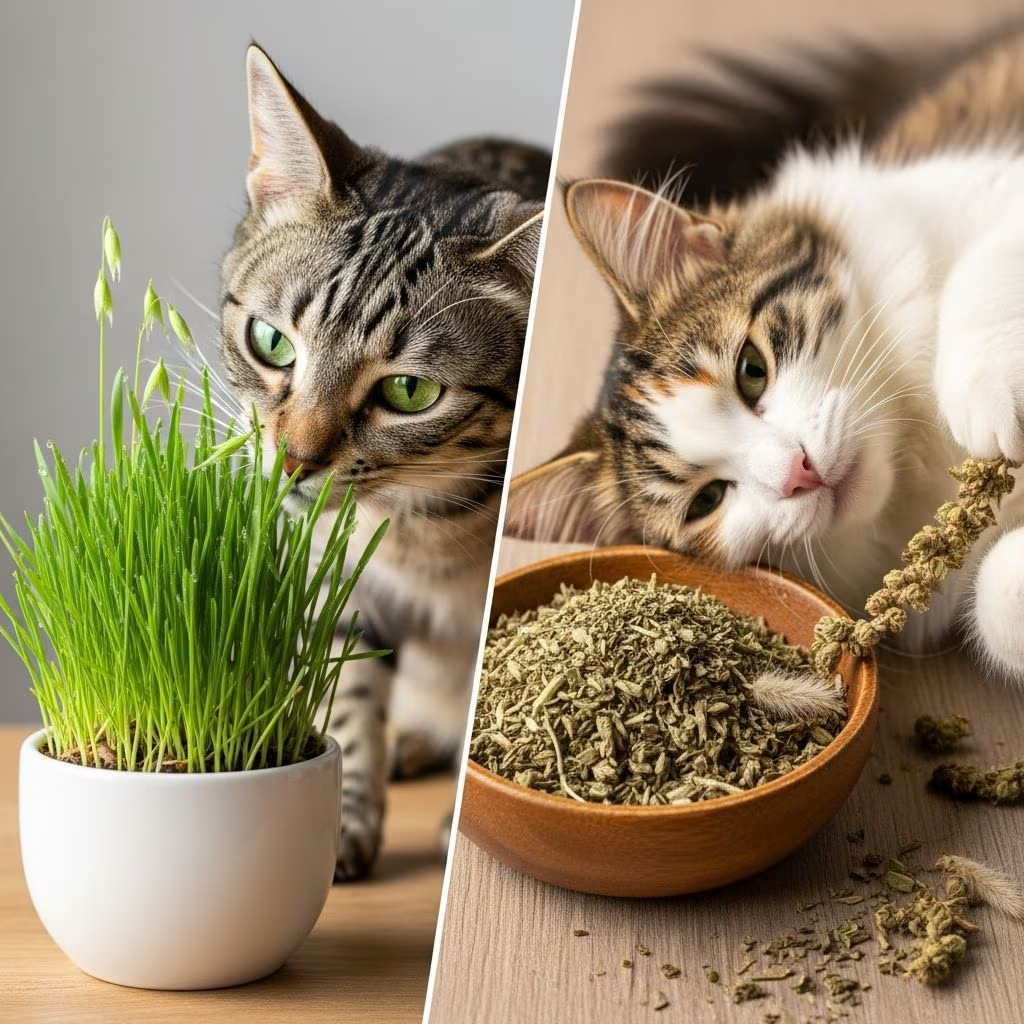
Cat grass and catnip are two popular plants for cats, but they serve distinct purposes. Cat grass supports digestion and nutrition, while catnip provides mental stimulation and play.
Catnip vs Cat Grass: The Differences
Many cat owners confuse cat grass with catnip, but these plants differ significantly in composition, effects, and benefits. Catnip is a mint-family herb containing nepetalactone, triggering euphoric responses in sensitive cats, whereas cat grass consists of safe cereal grasses like wheat, oats, barley, or rye grown indoors for chewing.
| Feature | Cat Grass | Catnip |
|---|---|---|
| Purpose | Helps with digestion, provides vitamins, safe houseplant alternative | Mental stimulation, alleviates stress and anxiety, encourages playtime |
| Effect | No mental or behavioral change | Euphoric sensation in about 70% of cats |
| Benefits | Better digestion, hairball prevention, essential nutrients | Mental stimulation, relieves stress, promotes exercise |
| Usage | Regular consumption for eating | Occasional sniffing or chewing sessions |
| Toxicity | Non-toxic | Non-toxic and non-addictive |
| Origin | Grown indoors from seeds (wheat, oat, barley, rye grass) | Medicinal herb from Nepeta cataria plant |
This comparison highlights how cat grass focuses on physical health, while catnip targets behavioral enrichment.
Overview of Cat Grass
Cat grass is not related to catnip; it’s a blend of ordinary grasses like wheatgrass, oat grass, barley grass, and rye grass, grown indoors without chemicals. Designed for cats that chew houseplants or suffer from hairballs, it provides a safe, nutritious option.
Cats instinctively chew grass to aid digestion, purge hairballs, and obtain fiber. Unlike outdoor lawn grass, cat grass is cultivated in controlled kits, ensuring purity and safety.
How Long Does Cat Grass Live?
Cat grass lifespan varies by growing method. Standard shallow kits last 4-6 weeks as cats graze it down. Deeper pots allow roots to establish, extending life to several months with proper care like watering and trimming.
Our Favorite Cat Grass
For a reliable option, consider organic kits like those with compostable containers containing wheat or oat seeds, soil, and trays. These 100% organic products sprout quickly and are safe for daily nibbling, ideal for houseplant-chewing cats.
All About Cat Grass
Cat grass mimics natural foraging, offering benefits beyond plant deterrence. It’s rich in vitamins A, D, and antioxidants, supporting eye health, immunity, and bone strength. The fiber helps move ingested fur through the digestive tract, preventing hairballs and constipation.
- Digestion Aid: Sweeps fur and blockages from the gut.
- Vitamin Boost: Essential nutrients not always in commercial cat food.
- Safe Chewing: Prevents interest in toxic houseplants like lilies or poinsettias.
Overview of Catnip
Catnip (Nepeta cataria) is a perennial herb in the mint family, known for nepetalactone, an essential oil that binds to feline olfactory receptors, mimicking pheromones. This induces a 5-15 minute ‘high’ of rolling, rubbing, purring, zooming, or drooling.
Reactions are hereditary; sensitivity develops around 3-6 months old, affecting 70-80% of cats. Kittens under 3 months and about 30-40% of adults show no response. Effects are non-addictive, requiring 1-2 hour breaks for reset.
Catnip Sensitivity Facts
- Hereditary trait, not universal.
- No effect in kittens until 3+ months.
- Lasts 10-15 minutes, followed by temporary immunity.
- Safe for all ages, even non-responders can benefit from toys.
All About Catnip
Beyond fun, catnip reduces stress by promoting relaxation post-euphoria. It’s ideal for indoor cats needing stimulation, encouraging exercise via play-hunting behaviors.
- Mental Stimulation: Triggers play, preventing boredom.
- Stress Relief: Calms anxious cats after the high.
- Physical Activity: Prompts running, jumping, stretching.
Why Your Cat Needs Both
Combining cat grass and catnip creates balanced enrichment: physical nutrition from grass, emotional boost from catnip. Together, they promote health, activity, and happiness for domestic felines.
For Better Digestion
Cats groom excessively, ingesting fur that forms painful hairballs. Cat grass’s fiber acts as a natural laxative, expelling hair and easing bowel movements.
Mental Stimulation
Catnip elicits excited behaviors like meowing, rolling, and zooming, vital for sedentary indoor cats lacking outdoor stimuli.
Vitamin Boost
Cat grass delivers vitamins A and D, minerals, and antioxidants for immunity, vision, and skeletal health.
Stress and Anxiety Buster
Catnip’s calming aftermath soothes noise-sensitive or stressed cats.
Herbal Houseplant Alternative
Redirects chewing from toxic plants to safe cat grass.
Where to Get Cat Grass and Catnip
Buying Cat Grass
Available as kits (seeds, soil, container) at pet stores, garden centers, supermarkets, or online. Pre-grown pots suit urban dwellers.
- Pet stores: Ready kits.
- Online: Variety of seeds and systems.
- Garden centers: Bulk seeds.
Buying Catnip
Sold dried, fresh plants, seeds, sprays, or toys at pet stores, nurseries, and online.
- Dried leaves for sprinkling.
- Infused toys for play.
- Grow-your-own plants.
How to Introduce Cat Grass and Catnip to Your Cat
Introduce gradually to monitor reactions.
Observe and Adapt
Watch for overeating grass (vomiting) or overstimulation from catnip; adjust portions.
Supervise Your Cat
Monitor first uses to prevent spills or excess consumption.
Keep It Fresh
Replace grass every 4-6 weeks; refresh catnip as potency fades.
Be Creative
Place grass near food bowls; sprinkle catnip on toys or posts.
A Few Things to Keep in Mind
Moderation ensures safety.
Control the Munching
Limit grass to a few blades daily to avoid upset stomach.
Not All Cats Respond
Genetic variation means some ignore catnip.
Safe but Supervised
Both non-toxic, but watch for allergies or overindulgence.
Frequently Asked Questions (FAQs)
Is cat grass the same as catnip?
No, cat grass is edible cereal grass for digestion; catnip is a mind-altering herb.
Does catnip work on all cats?
No, only 70% respond due to genetics; kittens under 3 months don’t.
How often can cats have cat grass?
Daily in moderation, a few nibbles to aid digestion without upset.
Is cat grass toxic?
No, fully safe and beneficial.
How long does catnip effect last?
5-15 minutes, with immunity for 1-2 hours.
Conclusion
Cat grass and catnip complement each other perfectly. Cat grass nurtures physical health through nutrition and digestion aid, while catnip sparks joy and relieves stress. Offer both for a thrilled, healthy cat—tailor to your feline’s preferences for optimal results.
References
- Cat Grass vs. Catnip: The Differences & Advantages — ZezeLife. 2023. https://www.zezelife.com/cat-grass-vs-catnip-the-differences-advantages/
- Cat Grass vs. Catnip: Vet-Verified Differences — Catster. 2024-10-15. https://www.catster.com/nutrition/cat-grass-vs-catnip/
- What is Cat Grass? — Catonsville Cat Clinic. 2023-05-12. https://www.catonsvillecatclinic.com/holmes-corner/what-exactly-is-cat-grass/
- Catnip vs. Cat-grass for our felines — Forest Hill Veterinary Hospital. 2024. https://www.foresthillvet.com.au/cats/catnip-vs-cat-grass-for-our-felines/



