

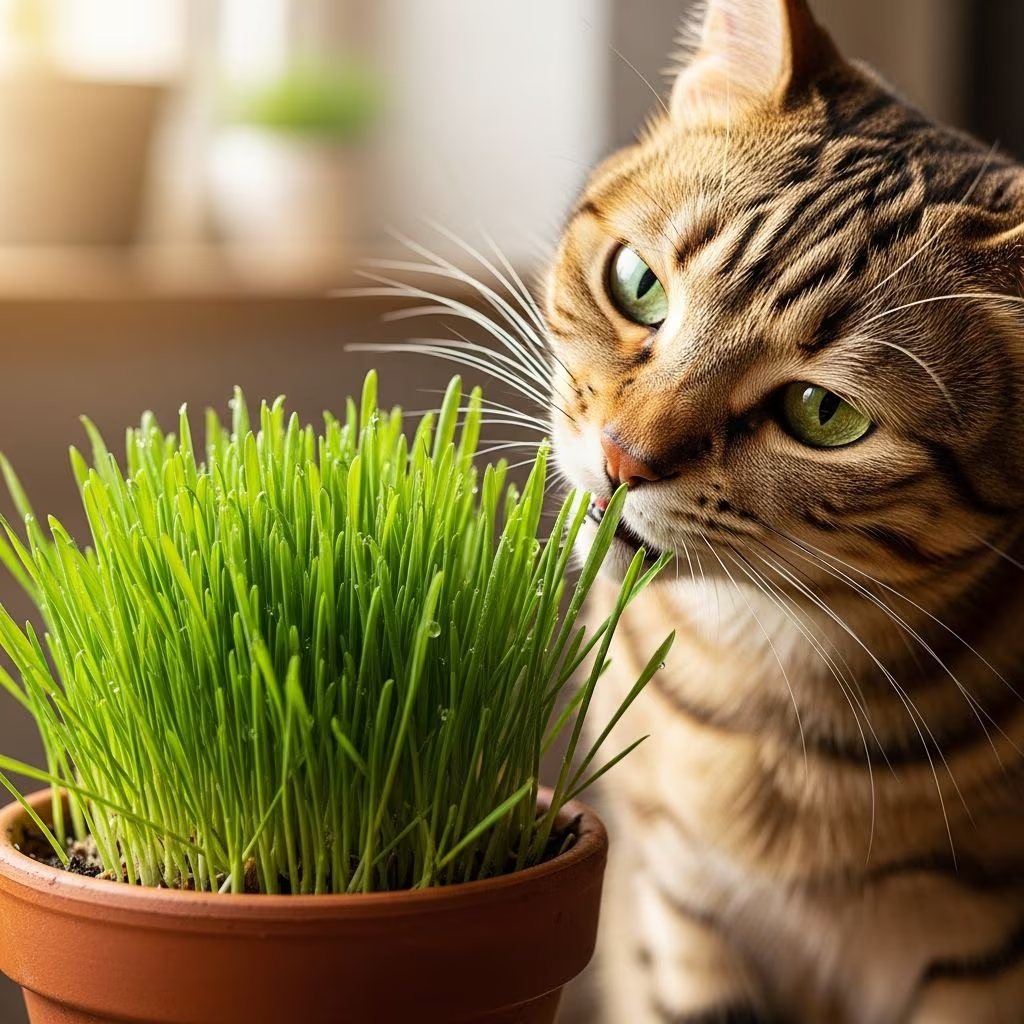
Many cat owners notice their pets munching on grass, sparking curiosity about this instinctive behavior. Cat grass, typically grown from seeds like wheat, oats, or barley, offers digestive support, minor nutritional perks, and mental stimulation without toxicity when prepared correctly.
The Instinct Behind Grass-Chewing in Cats
Cats have long exhibited a penchant for nibbling greenery, a trait rooted in their wild ancestry. Domestic felines, even indoor ones, seek out grass to aid in expelling indigestible matter like fur from grooming. This natural laxative effect promotes smoother bowel movements and reduces hairball buildup in the stomach.
Observations indicate that up to 70% of cats engage in this habit regularly, not necessarily due to illness but as a self-regulatory digestive mechanism. Indoor cats may turn to houseplants if deprived, risking exposure to harmful toxins, making dedicated cat grass a safer outlet.
Nutritional Advantages of Introducing Cat Grass
While not a staple in a cat’s diet, cat grass delivers supplementary nutrients that complement commercial kibble or wet food. Key components include folic acid, vital for red blood cell formation and oxygen transport in the bloodstream.
- Folic Acid (Vitamin B9): Enhances hemoglobin production, supporting overall vitality.
- Vitamins A, B, and K: Bolster immune function, skin health, and blood clotting.
- Chlorophyll: Acts as a mild detoxifier, potentially freshening breath and aiding tissue repair.
- Fiber Content: Insoluble fibers regulate digestion, preventing constipation and easing stool passage.
These elements provide trace benefits, particularly for cats on balanced diets lacking fresh greens. Barley grass stands out for its antioxidant profile, while oatgrass offers gentle digestibility.
Prime Varieties Safe for Feline Grazing
Not all grasses suit cats; select species bred for pet safety to avoid digestive upset or pesticides. Here’s a comparison of top options:
| Grass Type | Key Benefits | Growth Time | Best For |
|---|---|---|---|
| Wheatgrass | High folic acid, fiber for hairballs | 7-10 days | Indoor cats, quick growth |
| Oatgrass | Mild digestion aid, vitamins A/D | 10-14 days | Sensitive stomachs |
| Barley Grass | Antioxidants, minerals like iron | 10-12 days | Nutrient boost |
Wheatgrass grows rapidly indoors, ideal for impatient pet parents, while barley provides denser nutrition.
Growing Your Own Cat Grass: Step-by-Step
Cultivating cat grass at home ensures freshness and chemical-free access. Start with organic seeds from pet suppliers.
- Gather Supplies: Shallow container (8-10 inches), potting soil, seeds, spray bottle.
- Prepare Soil: Fill container loosely; moisten without soaking to prevent mold.
- Sow Seeds: Scatter densely (1 tsp per inch); cover lightly with soil; press down.
- Germinate: Cover with plastic for humidity; place in warm, indirect light (65-75°F).
- Sprout Care: Uncover after 2-3 days; water to keep moist; rotate for even growth.
- Harvest Ready: Offer when 4-6 inches tall; trim as needed.
Refresh pots every 2-3 weeks to maintain appeal. Outdoor growth works in mild climates but monitor for contaminants.
Health Impacts: Digestion and Beyond
The fibrous texture of cat grass stimulates peristalsis, the wave-like muscle contractions moving food through the intestines. This expels fur balls, a common issue from self-grooming where cats ingest 10-20% of their body hair weekly.
Beyond bowels, chlorophyll may neutralize oral bacteria, subtly improving breath. For seniors or those with mobility limits, grass encourages light activity, supporting weight management.
Regular access to safe grass correlates with fewer vet visits for minor GI complaints in observant owners’ reports.
Recognizing and Mitigating Potential Risks
Cat grass is non-toxic, but moderation prevents issues. Overindulgence can cause vomiting as the body rejects indigestible blades, mimicking a purge mechanism.
- Vomiting or Diarrhea: From excess intake; limit sessions to 5-10 minutes.
- Mold Growth: Overwatering breeds fungi; ensure good drainage and airflow.
- Blockages: Rare with short blades; supervise to avoid soil ingestion.
- Outdoor Hazards: Pesticides, fertilizers, or parasite-laden lawns pose dangers—stick to homegrown.
If symptoms persist beyond occasional puking, consult a vet to rule out allergies or underlying conditions like hyperthyroidism.
Integrating Cat Grass into Daily Routines
Position pots in accessible, stable spots away from tipping hazards. Multi-cat homes benefit from multiple patches to curb competition. Pair with puzzle feeders for holistic enrichment, blending nutrition and play.
Transition new cats gradually: offer small amounts daily, monitoring tolerance. Kittens under 8 weeks should wait until weaned fully.
Common Myths Debunked
Myth 1: Cats eat grass only when sick. Reality: Healthy cats do it routinely for fiber.
Myth 2: It’s a full nutrient source. Reality: Supplements, not replaces, balanced cat food.
Myth 3: All grass is safe. Reality: Avoid lawns treated with chemicals.
Frequently Asked Questions
Does cat grass replace a complete diet?
No, it provides fiber and trace nutrients but not proteins or fats essential for cats. Always prioritize AAFCO-approved foods.
How often should I replace the grass?
Every 2-3 weeks or when roots fill the pot; reseed promptly to maintain supply.
Can kittens eat cat grass?
Yes, after weaning, in small amounts to build tolerance.
What if my cat ignores it?
Spritz with catnip spray or place near favored spots; some prefer live prey simulation over static grass.
Is it okay for pregnant or senior cats?
Generally yes, but check with a vet for specific health concerns like kidney issues.
Enhancing Feline Wellness Holistically
Cat grass fits into broader wellness by satisfying foraging instincts, reducing stress from confined spaces. Combine with brushing to minimize loose fur intake, amplifying benefits. Track your cat’s response via a simple journal: note intake frequency versus hairball incidents for personalized insights.
For multi-pet households, designate grass zones to prevent dog interference. Seasonal rotations—wheat in winter for faster growth—keep it engaging year-round.
References
- Why Do Cats Eat Grass? Unravelling the Mystery — Waggel. 2023. https://www.waggel.co.uk/blog/post/why-do-cats-eat-grass-unravelling-the-mystery
- What is Cat Grass? Benefits & Safety — Whiskas. 2024. https://www.whiskas.com.ph/care/1-plus-years-old-cats/cat-nutrition/cat-grass
- 5 Surprising Health Benefits of Cat Grass — Zestigreen. 2023. https://zestigreens.com/blogs/news/5-surprising-health-benefits-of-cat-grass-for-your-feline-friend-%F0%9F%8C%BF%F0%9F%90%BE
- All About Cat Grass: Benefits, Safety, and Growing Tips — Catit. 2024. https://catit.us/blogs/news/all-about-cat-grass-benefits-safety-and-growing-tips
- Why Do Cats Eat Grass? — PetMD. 2025-02-10. https://www.petmd.com/cat/general-health/why-do-cats-eat-grass
- Cat Grass: Is it Safe for My Cat? — Hill’s Pet. 2024. https://www.hillspet.com/cat-care/nutrition-feeding/cat-grass-safety-and-information



