

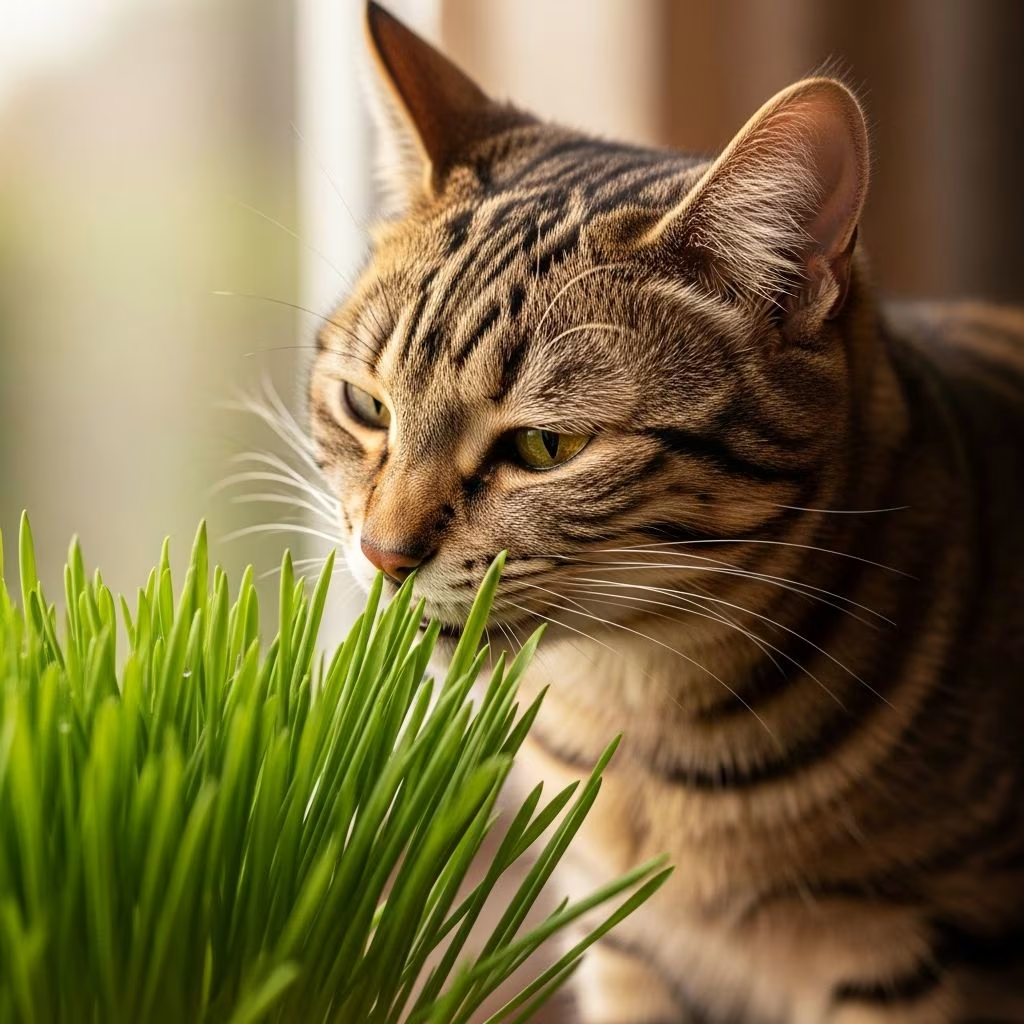
Cat grass, typically grown from seeds like wheat, oats, barley, or rye, serves as a safe and nutritious addition to a cat’s environment. Unlike outdoor lawn grass or potentially harmful houseplants, this specially cultivated grass provides essential fibers, vitamins, and minerals that support various aspects of feline health. Indoor cats, in particular, benefit from this natural supplement, which mimics their instinctual grass-eating behavior while delivering targeted wellness advantages.
Nutritional Powerhouse in a Simple Sprout
At its core, cat grass is packed with chlorophyll, antioxidants, and a range of vitamins that complement a cat’s primarily carnivorous diet. Chlorophyll, often called ‘liquid sunlight,’ acts similarly to hemoglobin in blood, aiding in detoxification and supporting kidney function. This green pigment helps cleanse the body of toxins, bolstering the circulatory and digestive systems.
Key nutrients found in cat grass include vitamins A, C, E, K, and several B-complex vitamins such as B1, B6, and folic acid. Vitamin A promotes healthy vision, skin, and mucous membranes, while vitamin K supports blood clotting and bone health. Folic acid is crucial for red blood cell production, addressing potential gaps in meat-based diets. Minerals like calcium, iron, magnesium, phosphorus, and potassium further enhance its value, providing electrolytes and supporting muscle function.
- Vitamin A: Essential for night vision and tissue maintenance.
- B-complex vitamins: Support nervous system health.
- Vitamin C: Boosts immunity and mineral absorption.
- Chlorophyll: Detoxifies and aids blood health.
- Folic acid: Promotes hematopoiesis.
Proteins, carbohydrates, and soluble fibers round out the profile, making cat grass a low-calorie treat that delivers broad nutritional support without disrupting a balanced commercial diet.
Enhancing Digestion and Preventing Hairballs
One of the most celebrated roles of cat grass is its impact on digestion. The insoluble fibers act as a natural laxative, stimulating gastrointestinal motility and helping cats expel ingested hair during grooming. Cats swallow significant fur daily, leading to hairballs that can cause discomfort, appetite loss, or blockages. Regular nibbling on cat grass reduces hairball incidence by over 40%, serving like a ‘digestive broom’ to promote vomiting or smoother defecation.
Beyond hairballs, the grass lubricates the intestinal tract with anti-inflammatory agents and soluble fibers, easing constipation and regulating bowel movements. For cats prone to mild digestive issues, this fiber boost increases colon activity without the need for higher-fiber prescription foods in most cases. Studies confirm grass-eating as a natural behavior that aids elimination, countering myths that cats only consume it when ill.
| Issue | How Cat Grass Helps | Key Component |
|---|---|---|
| Hairballs | Stimulates expulsion via fiber | Insoluble fiber |
| Constipation | Promotes colon movement | Undigested grass in stool |
| General Digestion | Lubricates and soothes tract | Soluble fiber, anti-inflammatories |
Freshening Breath and Oral Health
The chlorophyll in cat grass naturally combats bad breath by neutralizing odors in the mouth and gut. This compound, abundant in young grass blades, provides anti-inflammatory benefits that soothe gums and improve oral hygiene. Cats chewing on the tender shoots experience friction that may feel pleasurable, encouraging consistent use for cleaner teeth and fresher breath.
Unlike commercial treats, cat grass offers this benefit without sugars or additives, making it ideal for daily oral maintenance. Pet owners often notice a marked improvement in their cat’s breath shortly after introducing the grass.
Protecting Household Plants and Safety
Indoor cats instinctively seek out greenery, often targeting houseplants that may be toxic, such as lilies or philodendrons. Cat grass diverts this behavior to a safe alternative, preserving your indoor jungle while preventing poisoning. It’s non-toxic, free from pesticides, and far more nutritious than lawn grass, which lacks the tender sprouts and concentrated nutrients.
Growing cat grass is straightforward using organic seeds in pots, ensuring a clean, controlled supply. This setup keeps cats away from dangerous outdoor areas with herbicides or parasites.
Mental Stimulation and Boredom Buster
Beyond physical health, cat grass engages a cat’s senses, providing interactive play that combats boredom. For apartment-dwelling felines with limited outdoor access, the act of sniffing, batting, and nibbling offers enrichment. This natural toy reduces stress, prevents destructive behaviors, and satisfies evolutionary cravings for plant matter.
Behaviorists note that the chewing sensation and fresh texture deliver pleasure, akin to grooming instincts, promoting overall well-being.
Potential Role in Parasite Control
Evolutionary theories suggest grass-eating helps wild felines purge intestinal parasites, with plant fibers wrapping worms for expulsion. While not proven in domestic cats, this trait persists, potentially offering mild parasite prevention alongside deworming protocols. Always consult a vet for confirmed infestations.
Growing Your Own Cat Grass: A Step-by-Step Guide
Creating cat grass at home is simple and cost-effective. Start with organic wheat, oat, barley, or rye seeds from pet stores.
- Soak seeds in water for 12 hours.
- Drain and spread evenly in a shallow container with soil.
- Water lightly and cover for 2-3 days to sprout.
- Expose to light; harvest in 7-10 days when 4-6 inches tall.
- Replant weekly for continuous supply.
Maintain by watering daily and trimming as needed. Avoid fertilizers; natural growth suffices.
Is Cat Grass Right for Every Cat?
Most cats thrive with cat grass, but monitor for excessive consumption, which could signal illness. Kittens, seniors, and those with dietary sensitivities benefit most. It’s not a meal replacement but a supplement to high-quality kibble or wet food.
Distinguish it from catnip, which excites via pheromones rather than nutrition. About 70% of cats respond to catnip, but all can enjoy grass.
Frequently Asked Questions (FAQs)
What is cat grass made from?
Cat grass comes from cereal grains like wheatgrass, oat grass, barley, or rye—safe, young sprouts grown indoors.
Does cat grass make cats sick?
No, it’s safe and promotes vomiting of hairballs naturally. Excess may indicate health issues; vet check advised.
How often should cats eat cat grass?
Daily nibbling is fine; provide fresh pots rotated weekly to encourage moderate intake.
Can cat grass replace a balanced diet?
No, it supplements vitamins and fiber but doesn’t provide complete nutrition.
Why do indoor cats crave grass?
It satisfies instincts for fiber, nutrients, and play, safer than toxic plants.
Conclusion: A Simple Boost for Cat Health
Incorporating cat grass into your cat’s routine yields multifaceted benefits, from nutrient enrichment to digestive relief and enrichment. This easy-to-grow green is a worthwhile investment for happier, healthier felines.
References
- The Many Wholesome Benefits of Cat Grass — Pete the Vet. 2023. https://www.petethevet.com/the-many-wholesome-benefits-of-cat-grass/
- Cat Grass 101 — Animal Wellness Magazine. 2024. https://animalwellnessmagazine.com/cat-grass-101/
- Comprehensive Analysis of Cat Grass — Oreata AI Blog. 2024. http://oreateai.com/blog/comprehensive-analysis-of-cat-grass-definition-functions-and-scientific-feeding-guide/13f49397b48e9dc52701fc00b9146dcb
- What is Cat Grass? — Hill’s Pet Nutrition. 2025. https://www.hillspet.com/cat-care/nutrition-feeding/cat-grass-safety-and-information
- Why Do Cats Eat Grass? — PetMD. 2025. https://www.petmd.com/cat/general-health/why-do-cats-eat-grass
- Cat Grass: The Ultimate Guide — Pet Greens (PDF). 2024. https://www.petgreens.com/pdfs/Cat-Grass-Ultimate-Guide.pdf



