

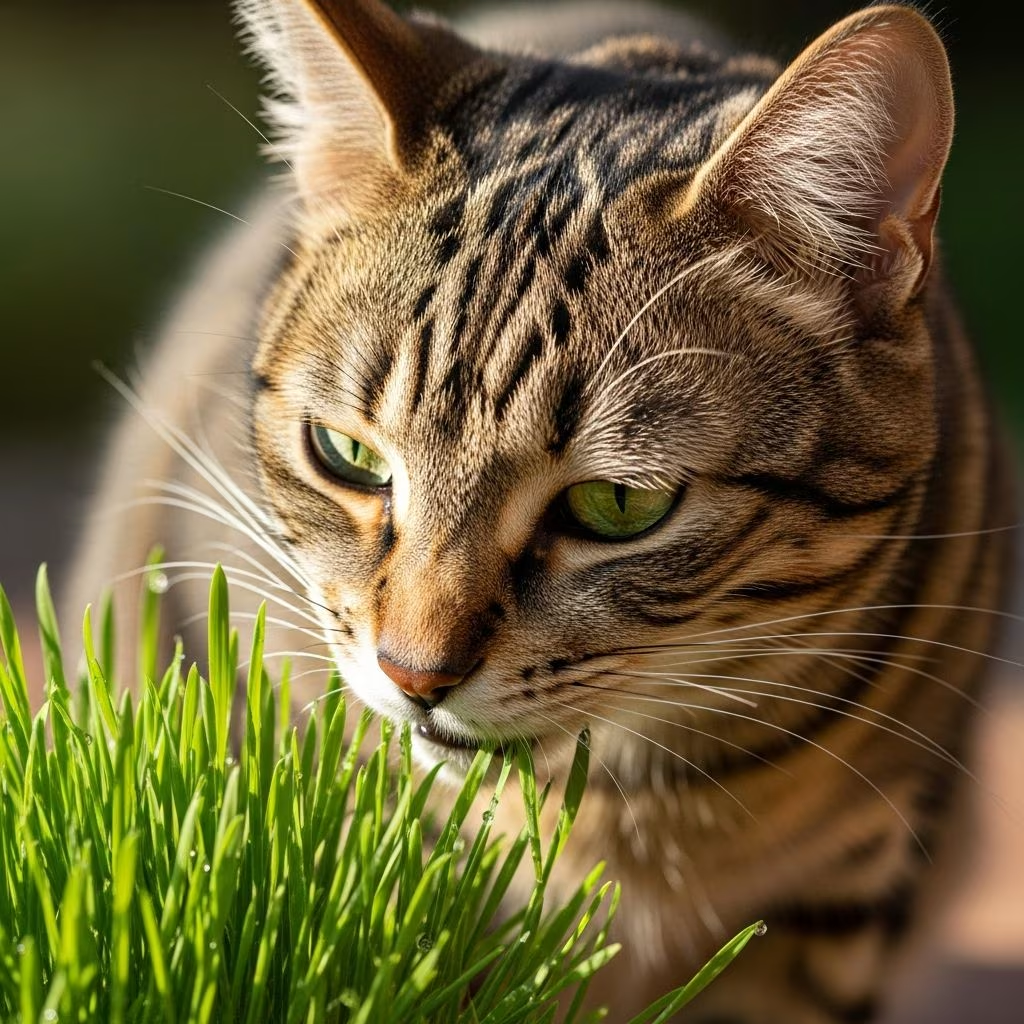
Cat grass, typically sprouted from seeds like wheat, oats, or barley, serves as a safe, nutrient-packed option for indoor cats. Unlike many household plants that pose toxicity risks, this simple green provides vitamins, fiber, and antioxidants that enhance feline wellness in multiple ways.
Nutritional Powerhouse for Cats
One of the primary appeals of cat grass lies in its rich nutrient profile, which complements a cat’s commercial diet. It contains essential vitamins that support various bodily functions, making it a valuable addition for maintaining balance in indoor environments where fresh greens are scarce.
- Thiamine (Vitamin B1): Crucial for energy metabolism, heart function, and nerve health. Natural sources like cat grass help prevent deficiencies that could lead to lethargy or neurological issues.
- Beta-Carotene: Converts to retinols in cats, acting as antioxidants to combat free radicals while promoting brain function and cognitive sharpness.
- Folic Acid: Aids hemoglobin production for better oxygen transport in the blood, supporting circulation and vitality.
- Chlorophyll: Offers breath-freshening properties and historically used for its anti-inflammatory and wound-healing effects before modern antibiotics.
- Vitamins A, C, E, and Fiber: Contribute to eye health, immune strength, coat condition, and regular digestion.
These nutrients are especially beneficial for strictly indoor cats, whose diets may lack the variety wild felines obtain from prey and plants. Regular nibbling ensures steady intake without over-reliance on supplements.
Digestive Support and Hairball Prevention
Cats instinctively chew grass to manage digestion, and cat grass excels here by providing soluble and insoluble fiber. This promotes intestinal motility, eases constipation, and helps expel hairballs—common in grooming-heavy indoor cats.
The mechanical action of chewing stimulates gastric juices and enzyme production, improving nutrient breakdown and absorption. Fiber also adds bulk to stool, reducing diarrhea risks and maintaining gut health.
| Benefit | How Cat Grass Helps | Key Nutrient |
|---|---|---|
| Hairball Expulsion | Triggers mild vomiting or laxative effect | Fiber |
| Bowel Regularity | Increases motility and water retention | Soluble Fiber |
| Nutrient Absorption | Boosts enzyme activity | Chlorophyll |
For cats with sensitive stomachs, introducing cat grass gradually prevents overload while maximizing these perks.
Oral Hygiene and Dental Advantages
Chewing on the tender blades of cat grass naturally scrubs teeth, dislodging plaque and tartar precursors. This abrasive yet gentle action reduces bacteria buildup, lowering periodontal disease risks that can spread infections systemically.
Combined with chlorophyll’s deodorizing effect, it freshens breath—a bonus for close-quarters living. Regular use supports gum health, potentially decreasing veterinary dental cleanings.
Antioxidant Defense and Immune Boost
Cat grass brims with antioxidants like beta-carotene, vitamins C and E, which neutralize free radicals—unstable molecules linked to cellular damage, inflammation, and conditions like chronic kidney disease.
These compounds reduce oxidative stress, bolstering immunity and aiding recovery from minor ailments. For aging cats, this protection preserves vitality and longevity.
Cognitive and Neurological Support
Beyond physical health, cat grass nurtures the brain. Thiamine sustains nerve signaling, while retinols from beta-carotene enhance memory, learning, and focus. Antioxidants shield neurons from damage, potentially slowing cognitive decline.
This is vital for senior cats or those in stimulating-poor indoor settings, where mental engagement prevents boredom-related issues.
Environmental Enrichment for Indoor Cats
Beyond nutrition, cat grass offers psychological benefits. Its growth provides a hunt-like activity, reducing stress and encouraging play. Safe from pesticides, it redirects nibbling from dangerous plants.
- Safe alternative to toxic greenery
- Stimulates natural foraging instincts
- Reduces anxiety through routine interaction
Growing Cat Grass at Home: A Step-by-Step Guide
Creating your own cat grass is straightforward and cost-effective, ensuring freshness and control over quality.
- Select Seeds: Use wheatgrass, oat, or barley seeds from pet-safe sources.
- Prepare Container: Fill a shallow dish with organic potting soil.
- Sow Densely: Scatter seeds thickly and press into soil; water lightly.
- Germinate: Cover for 2-3 days in a warm, dark spot until sprouting.
- Grow: Move to light; harvest in 7-10 days when 4-6 inches tall.
- Maintain: Rotate pots to keep supply steady; discard after 3-4 weeks.
Peak nutrients occur between days 10-14, aligning with optimal thiamine and beta-carotene levels.
Potential Risks and Precautions
While safe, excessive consumption might indicate illness—consult a vet if overeating persists. Start small to avoid tummy upset, and source organic seeds to minimize contaminants.
Not a meal replacement; view it as a treat enhancing balanced nutrition.
Scientific Backing and Veterinary Insights
Veterinary sources affirm cat grass’s role in fiber intake for prey-derived indigestibles and nutrient supplementation. Theories link it to evolutionary grooming aids, with modern studies highlighting vitamin efficacy.
Frequently Asked Questions (FAQs)
Is cat grass safe for all cats?
Yes, when grown properly; it’s non-toxic and beneficial for most, but monitor kittens and seniors.
Can cat grass replace cat food?
No, it’s a supplement providing trace nutrients and fiber, not complete nutrition.
How often should cats eat cat grass?
Daily nibbles suffice; refresh weekly to maintain appeal and nutrients.
Does cat grass help with hairballs?
Absolutely, its fiber promotes expulsion and prevents buildup.
What if my cat ignores cat grass?
Try different varieties or locations; some prefer it fresh and playful.
Integrating Cat Grass into Daily Care
Place pots in accessible spots, refresh routinely, and observe preferences. Pair with brushing for amplified hairball control and dental perks. This holistic approach elevates indoor cat life quality.
Cat grass transforms routine care into a proactive health strategy, blending nutrition, fun, and instinct satisfaction seamlessly.
References
- What are the benefits of cat grass? — My Cat Grass. 2023. https://mycatgrass.co.uk/what-are-the-benefits-of-cat-grass/
- The Health Benefits of Cat Grass for Indoor Cats — Union Lake Veterinary Hospital. 2023. https://unionlakeveterinaryhospital.com/blog/the-health-benefits-of-cat-grass-for-indoor-cats
- What is Cat Grass? Learn How to Grow Cat Grass for Your Pet — PetMD. 2023. https://www.petmd.com/cat/care/evr_ct_how-to-grow-cat-grass
- Eating Your Greens: The Basics of Cat Grass — Texas A&M University College of Veterinary Medicine & Biomedical Sciences. 2023. https://vetmed.tamu.edu/news/pet-talk/eating-your-greens-the-basics-of-cat-grass/
- What is Cat Grass? — Hill’s Pet Nutrition. 2023. https://www.hillspet.com/cat-care/nutrition-feeding/cat-grass-safety-and-information
- Cat Grass: THE ULTIMATE GUIDE — Pet Greens. 2023. https://www.petgreens.com/pdfs/Cat-Grass-Ultimate-Guide.pdf



