

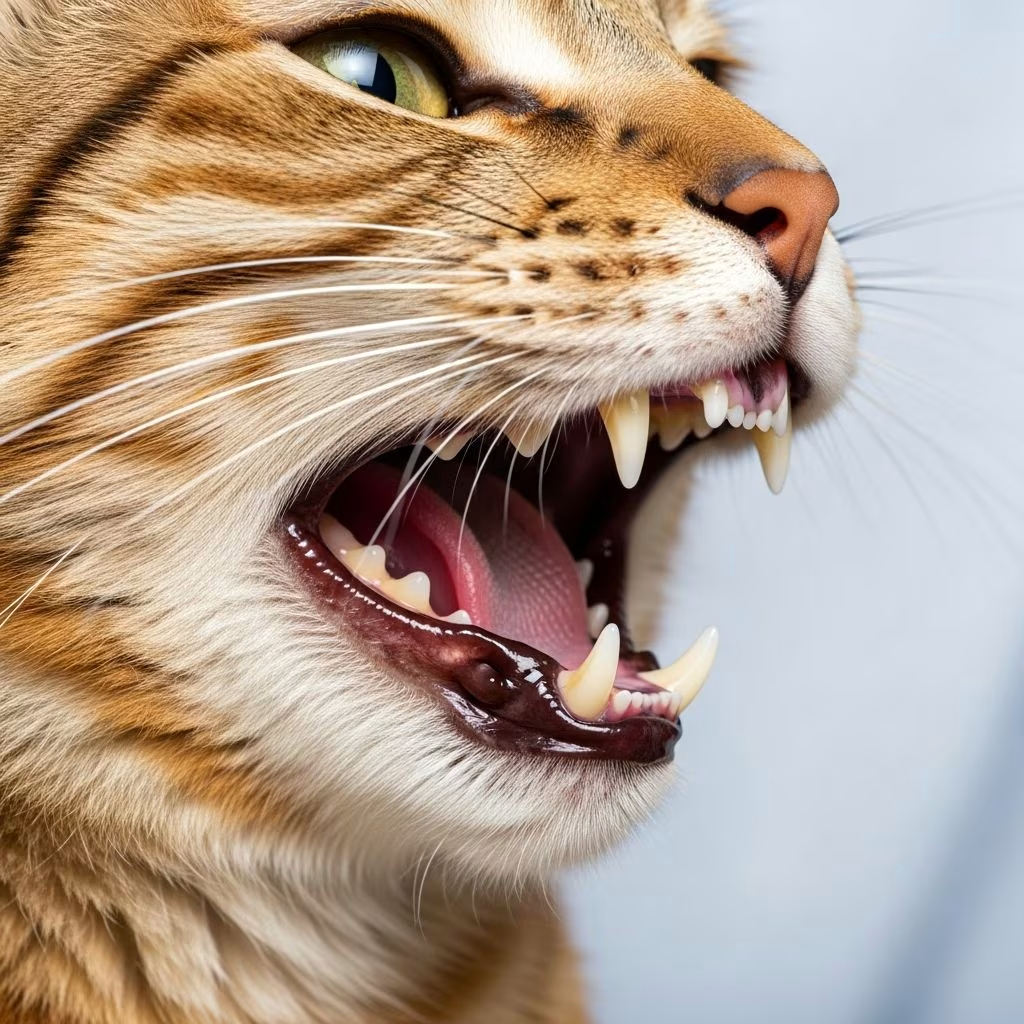
Gingivitis in cats is a prevalent dental issue characterized by inflammation of the gums surrounding the teeth, primarily triggered by plaque accumulation that hardens into tartar. This condition affects many cats, particularly as they age, leading to discomfort, eating difficulties, and potential tooth loss if untreated. Early detection and intervention are crucial for maintaining your cat’s quality of life.
Understanding the Basics of Feline Gingivitis
Gingivitis refers to the inflammation of the gingiva, the soft tissue that encircles the base of each tooth. In felines, this often begins with bacterial plaque—a sticky film of food particles, saliva, and bacteria—adhering to the enamel. Over time, minerals in the saliva mineralize this plaque into tartar, irritating the gums and causing redness, swelling, and bleeding. Unlike humans, cats have unique oral anatomy, including narrower jaws and sharper teeth, which can trap debris more easily, exacerbating the problem.
While mild cases may be reversible with diligent care, progression to periodontitis involves deeper infection affecting the bone and ligaments supporting the teeth. Related conditions like feline chronic gingivostomatitis (FCGS) represent a severe hypersensitivity to plaque, often requiring aggressive management.
Key Symptoms to Watch For in Your Cat
Recognizing gingivitis early can prevent escalation. Owners should routinely inspect their cat’s mouth for these indicators:
- Red or inflamed gums: Particularly noticeable along the gumline or near the inner cheeks, appearing bright pink to deep red.
- Halitosis (bad breath): A foul odor from bacterial overgrowth is one of the earliest and most common signs.
- Excessive drooling: Due to pain or discomfort in the mouth.
- Difficulty eating: Cats may drop food, chew on one side, eat slowly, or avoid hard kibble altogether.
- Pawing at the mouth or facial rubbing: Attempts to alleviate irritation.
- Visible plaque or tartar: Yellow-brown buildup on teeth surfaces.
- Bleeding gums: Especially during brushing or eating, signaling advanced inflammation.
- Weight loss or unkempt coat: From pain-induced reduced eating or inability to groom.
In severe instances, cats may vocalize in pain, show reluctance to play with toys requiring mouth use, or develop oral ulcers. Regular vet check-ups, ideally twice yearly, aid in spotting subtle changes before they worsen.
Primary Causes and Risk Factors
Several elements contribute to gingivitis development in cats. The cornerstone is poor oral hygiene, but other factors amplify vulnerability.
| Risk Factor | Description | Impact |
|---|---|---|
| Plaque and Tartar Buildup | Bacteria from food and saliva form plaque that hardens into tartar, eroding gums. | Primary cause in 90% of cases. |
| Age | Senior cats over 7 years experience slower plaque removal and weaker immunity. | Prevalent in older felines. |
| Diet | Exclusive soft food diets promote plaque as there’s less mechanical cleaning from chewing. | Increases risk with canned-only feeding. |
| Crowded or Maloccluded Teeth | Genetic misalignment traps debris, fostering bacteria. | Common in breeds like Persians. |
| Infections | Feline Leukemia Virus (FeLV) or FIV compromise immunity, worsening gum response. | Systemic factor in diseased cats. |
| Autoimmune Conditions | Diseases triggering overactive immune responses inflame oral tissues. | Leads to chronic forms. |
| Tooth Resorption or Trauma | Lesions or fractures expose roots, inviting infection. | Affects up to 70% of cats over 5 years. |
Breeds with flat faces, such as Persians and Exotics, face heightened risks due to dental crowding. Kittens may suffer juvenile gingivitis during teething, typically resolving but warranting monitoring.
Diagnosis: What to Expect at the Vet
Veterinarians diagnose gingivitis through a comprehensive oral exam, often under anesthesia for thorough probing and dental radiographs. These X-rays detect hidden abscesses, bone loss, or resorptive lesions invisible externally. Staging ranges from mild (reversible inflammation) to severe (periodontal involvement). Bloodwork rules out underlying infections like FeLV/FIV. In FCGS cases, biopsies confirm hypersensitivity. Prompt diagnosis prevents progression, with many cats showing improvement post-cleaning.
Treatment Options for Affected Cats
Treatment hinges on severity, balancing professional intervention with home management.
Professional Dental Cleaning
Under general anesthesia, vets scale teeth to remove tartar above and below the gumline, followed by polishing to slow regrowth. Extractions address irreparable teeth. Antibiotics and pain meds manage infection and discomfort.
Medications
Anti-inflammatories, antibiotics (e.g., clindamycin), and pain relievers like buprenorphine alleviate symptoms. For FCGS, immunosuppressants or steroids may be prescribed.
Surgical Interventions
In refractory FCGS, full-mouth extractions offer 80-90% success rates, as cats adapt well without teeth, maintaining quality of life via soft foods. Laser therapy reduces inflammation in some clinics.
Home Care Adjuncts
Post-treatment, owners apply gels with chlorhexidine or enzymes to control plaque.
Treatment success depends on owner compliance; untreated gingivitis leads to chronic pain and systemic health risks like heart or kidney issues from bacterial spread.
Prevention Strategies for Lifelong Dental Wellness
Proactive measures significantly reduce gingivitis incidence.
- Daily Brushing: Use cat-specific enzymatic toothpaste and soft brush, starting slowly to build tolerance. Aim for 1-2 minutes daily.
- Dental Diets and Treats: Prescription kibble with fiber scrubs teeth mechanically; chews reduce tartar by 70% with consistent use.
- Water Additives and Rinses: Products with chlorhexidine or probiotics control bacteria without brushing.
- Regular Vet Dentals: Annual cleanings for at-risk cats prevent buildup.
- Dietary Balance: Mix dry and wet foods; avoid all-soft diets.
Monitor for symptoms monthly and schedule check-ups. Toys promoting chewing aid natural cleaning.
When Gingivitis Evolves: Stomatitis and Beyond
FCGS, a painful extension, involves entire mouth ulceration unresponsive to standard care. Causes include viral triggers (calicivirus) atop plaque sensitivity. Symptoms mirror severe gingivitis but include tongue/mucosal involvement. Treatments escalate to extractions, with many cats achieving remission. Differentiate from eosinophilic granuloma via biopsy. Early vet referral is vital.
FAQs: Common Questions on Cat Gingivitis
Q: Can gingivitis be cured completely?
A: Mild cases yes, via cleaning and hygiene; chronic forms like FCGS require ongoing management.
Q: Is bad breath always gingivitis?
A: Often, but rule out diet, foreign bodies, or kidney disease.
Q: Do cats need teeth to eat?
A: No, post-extraction cats thrive on softened foods.
Q: How often should I brush my cat’s teeth?
A: Ideally daily, minimum 3-4 times weekly.
Q: Are dental treats effective?
A: Yes, when VOHC-approved, reducing tartar significantly.
Q: What breeds are prone?
A: Brachycephalics like Persians; all seniors.
Long-Term Monitoring and Prognosis
With vigilant care, most cats manage gingivitis effectively, enjoying pain-free lives. Prognosis excels for early intervention; neglect risks malnutrition and sepsis. Track weight, appetite, and breath quarterly. Consult vets for tailored plans, especially in multi-cat homes where stress elevates risks.
References
- Gingivitis in Cats: Causes, Symptoms & Treatment — Apple Valley Animal Hospital. 2023-11-15. https://www.applevalleyanimalhospital.com/site/blog/2023/11/15/gingivitis-cats-causes-symptoms-treatment
- Gingivitis in Cats – Symptoms, Causes & Treatments — Gluckstadt Animal Hospital. 2023-10-15. https://www.gluckstadtanimalhospital.com/site/blog/2023/10/15/gingivitis-cats–symptoms-causes-treatments
- Cat Gingivitis: Symptoms, Causes, and Treatment — Bowman Animal Hospital. N/A. https://bowmananimalhospital.com/blog/cat-gingivitis/
- Gingivitis in Cats: Causes, Signs & Treatment — Hill’s Pet Nutrition. N/A. https://www.hillspet.com/cat-care/healthcare/gingivitis-in-cats
- Gingivitis in Cats: Signs, Causes & Treatment — Providence Veterinary Hospital. 2022-06-15. https://www.waxhaw.providencevets.com/site/blog/2022/06/15/cat-gingivitis
- Gingivitis and Stomatitis in Cats — VCA Animal Hospitals. N/A. https://vcahospitals.com/know-your-pet/gingivitis-and-stomatitis-in-cats
- Feline Dental Disease — Cornell University College of Veterinary Medicine. N/A. https://www.vet.cornell.edu/departments-centers-and-institutes/cornell-feline-health-center/health-information/feline-health-topics/feline-dental-disease
- Gingivitis in Cats — PetMD. N/A. https://www.petmd.com/cat/conditions/mouth/gingivitis-in-cats



