

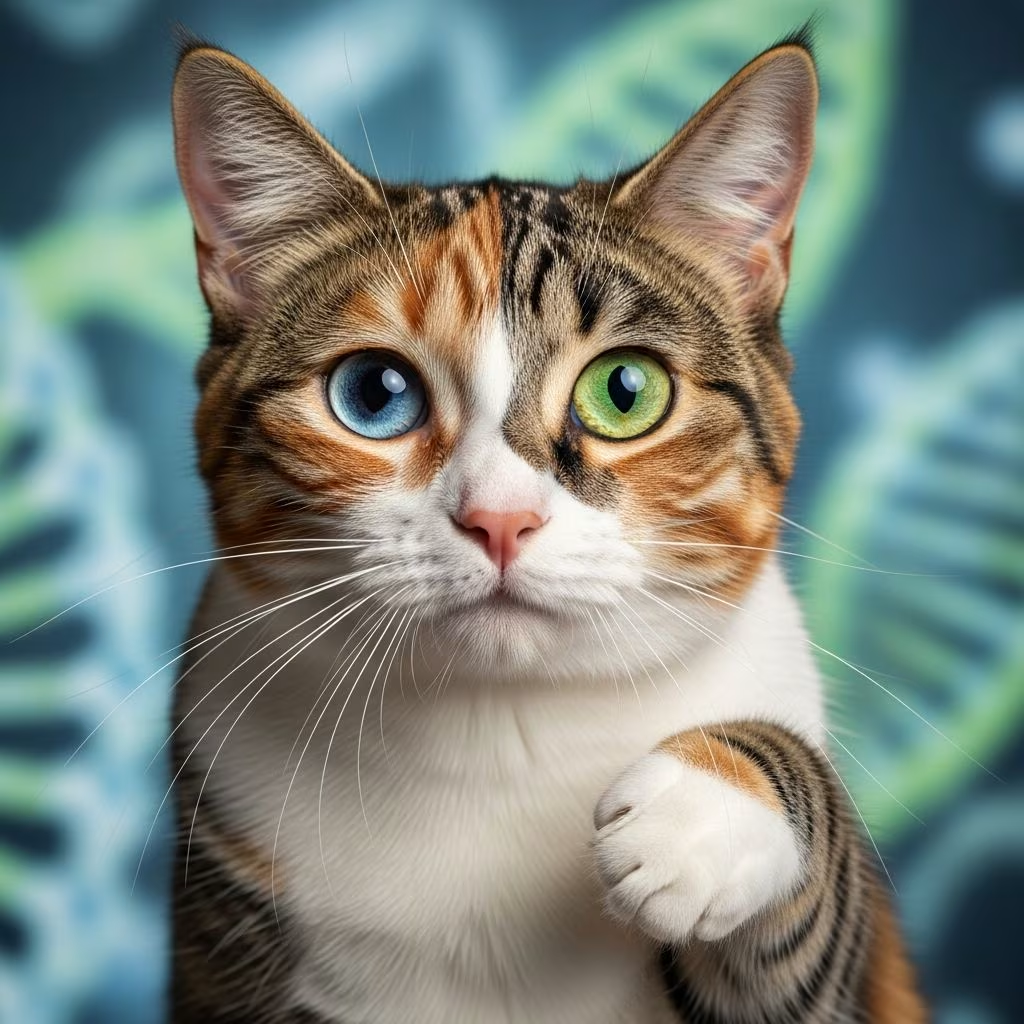
The genetic makeup of domestic cats determines everything from their luxurious fur patterns to potential health vulnerabilities. Mutations in feline DNA create the diversity we admire in breeds, but some also introduce risks. This article examines key genetic principles, beneficial variations enhancing beauty, harmful ones causing disorders, and practical implications for cat owners.
Fundamentals of Feline Inheritance
Cat genetics follows Mendelian principles with modifications due to polygenic traits and sex-linked genes. Most coat colors and patterns arise from interactions among multiple loci on chromosomes. For instance, the agouti gene controls whether hairs display banded pigmentation or solid color, while the tabby gene dictates stripe or swirl designs.
DNA variants occur naturally through mutations during replication or environmental factors like radiation. Over 70 such variants are documented in cats, many neutral or advantageous for adaptation, others detrimental. Feral populations accumulate these at similar rates to pedigreed cats, but survival pressures select against harmful ones.
- Dominant vs. Recessive: Dominant traits like short hair mask recessive long hair unless paired homozygously.
- Sex-Linked: Orange coloration ties to the X chromosome, explaining why females can be tortoiseshell (two X’s with different alleles).
- Polygenic: Traits like spotting involve multiple genes for variable white patches.
Coat Color Variations Decoded
Coat hues stem from melanin types: eumelanin (black/brown) and phaeomelanin (red/yellow). The black/brown locus (B locus) has alleles B (black), b (chocolate), bl (cinnamon). Dilution gene D/d lightens pigments: dd turns black to blue-gray, red to cream.
Recent research pinpoints the orange locus on the X chromosome: a deletion in Arhgap36 boosts protein expression 13-fold in melanocytes, yielding vibrant reds. Amber, from MC1R mutation, shifts black to golden tones in Norwegian Forest Cats, with paws retaining original color.
| Gene Locus | Effect | Example Phenotype |
|---|---|---|
| D/d (Dilution) | Recessive lightening | Blue (dilute black) |
| O (Orange) | X-linked dominant | Red/orange fur |
| E/e (Extension) | Amber mutation | Golden coat |
The TYR gene at the albino locus governs temperature-sensitive pigmentation in Siamese points, where cooler extremities stay darker. Mutations like c (albino) or cm (mocha in Burmese) alter this further. Neurological side effects, such as strabismus, link to shared melanin/neurotransmitter pathways.
Pattern Genes and Striking Designs
Tabby patterns, universal in wild-type cats, arise from TAQPEP gene: T139N substitution creates blotched tabs, while ticked variants suppress stripes for even ticking. A separate ‘Ticked’ locus modulates expression. Silver/golden effects from I/i and CORIN genes inhibit or enhance melanin, producing chinchilla or shaded silvers.
Spotting via KIT gene yields bicolors (Ss) or Van patterns (SS). These ‘good’ mutations, human-selected for aesthetics, define over 40 breeds with unique looks like the Abyssinian ticked coat or Persian longhair.
Physical Trait Mutations: Beauty with Caveats
Mutations craft iconic features but often carry health costs. Longhair variants at FGF5 occur globally, prevalent in Persians. Tailless Manx result from M96L mutation in Lrx/Spdh, lethal homozygous, causing spinal issues like incontinence in survivors. Japanese Bobtails use different genes, avoiding Manx problems.
Folded ears in Scottish Folds stem from TRPV4 mutation, leading to osteochondrodysplasia: cartilage deformities cause pain, arthritis. Munchkin short legs from similar skeletal dysplasia risk lameness. Hairless Sphynx lack functional HR gene, needing extra care against temperature extremes.
- Polydactyly: Extra toes, benign dominant trait common in East Coast U.S. cats.
- Kinked tails: Mild spinal fusions, usually harmless.
The Downside: Genetic Diseases from Mutations
Not all variants benefit; many cause illness. Autosomal recessive diseases dominate, requiring two carrier copies. Pyruvate kinase deficiency (PKLR) affects multiple breeds, causing hemolytic anemia. PRA-rdAc leads to late-onset blindness in various lines.
Hypertrophic cardiomyopathy (HCM) links to MYBPC3 variants like A31P in Maine Coons, R820W in Ragdolls—not all carriers develop it, highlighting modifiers. Blood types A/B from CMAH mutations risk neonatal isoerythrolysis in type B kittens nursed by A mothers.
Over 70 variants cataloged at OMIA database span traits to disorders, aiding breeding programs via genetic testing.
Breeding Implications and Ethical Choices
Pedigree breeding amplifies rare mutations, raising disease incidence. Responsible practices include screening for recessives like PKDef or HCM. Feral cats self-regulate via natural selection, retaining fewer deleterious alleles despite equal mutation rates.
Genetic testing identifies carriers, enabling informed pairings. For example, avoiding Manx homozygotes prevents lethal embryos. Owners of at-risk breeds should monitor for symptoms like lameness or heart murmurs.
FAQs on Cat Genetics
Can all cats carry hidden mutations?
Yes, most do; recessives hide until paired. Testing reveals risks.
Why do calico cats mostly female?
Tortoiseshell/calico need two X chromosomes for black/orange mix.
Are genetic anomalies always bad?
No, many like tabby or dilution enhance appearance without health issues.
How to test for mutations?
Vet labs offer panels for breeds; consult for common diseases.
Do mutations affect behavior?
Rarely directly; some pigment genes indirectly influence neurology.
Key Takeaways for Cat Lovers
Understanding genetics empowers better care: appreciate diversity, screen for risks, choose health-focused breeders. Mutations blend beauty and biology, mirroring evolution’s balance.
References
- Cat coat genetics — Wikipedia. 2024. https://en.wikipedia.org/wiki/Cat_coat_genetics
- DNA mutations of the cat: The good, the bad and the ugly — PMC (Lyons LA). 2024-05-15. https://pmc.ncbi.nlm.nih.gov/articles/PMC11148888/
- Cat Genetics 3.0: Simple Genetic Diseases — Labgenvet. 2023. https://labgenvet.ca/en/cat-genetics-3-0-simple-genetic-diseases/



